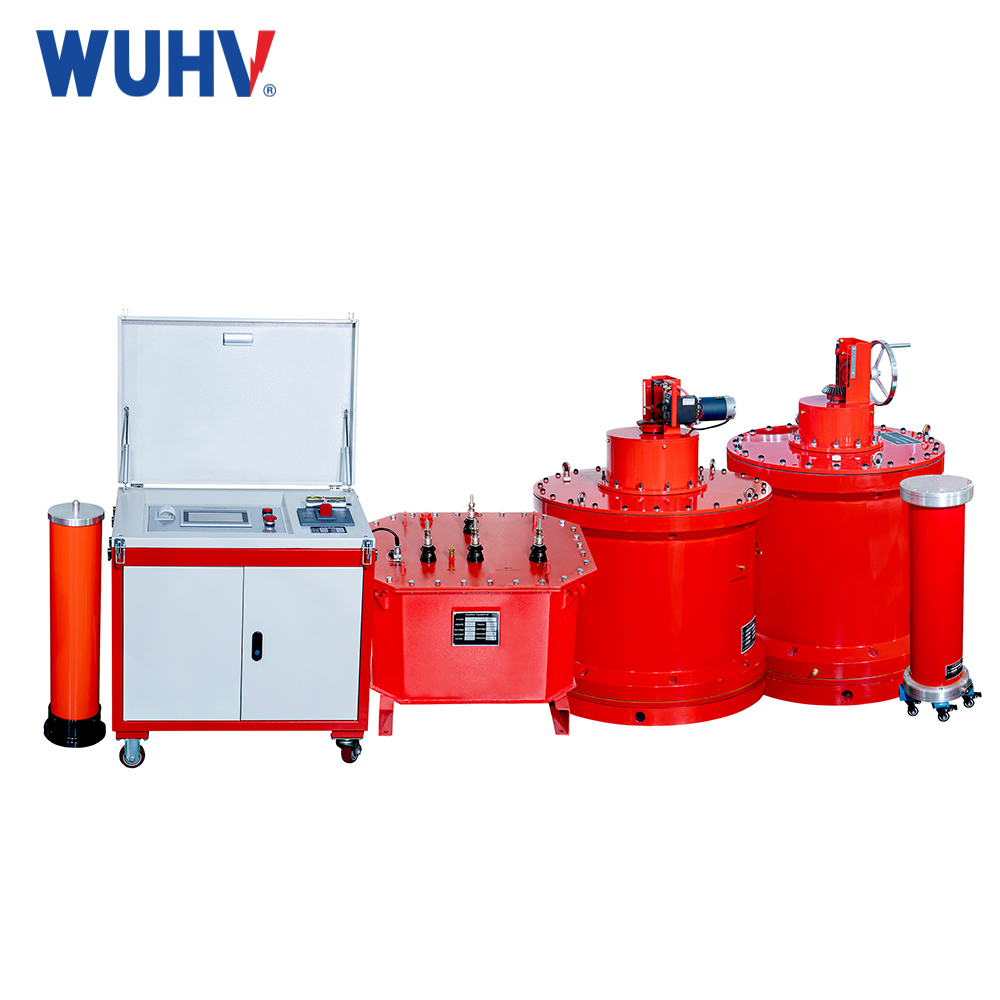
The fully automatic temperature rise test device under Wuhan UHV can help many power workers conduct various power tests more conveniently.
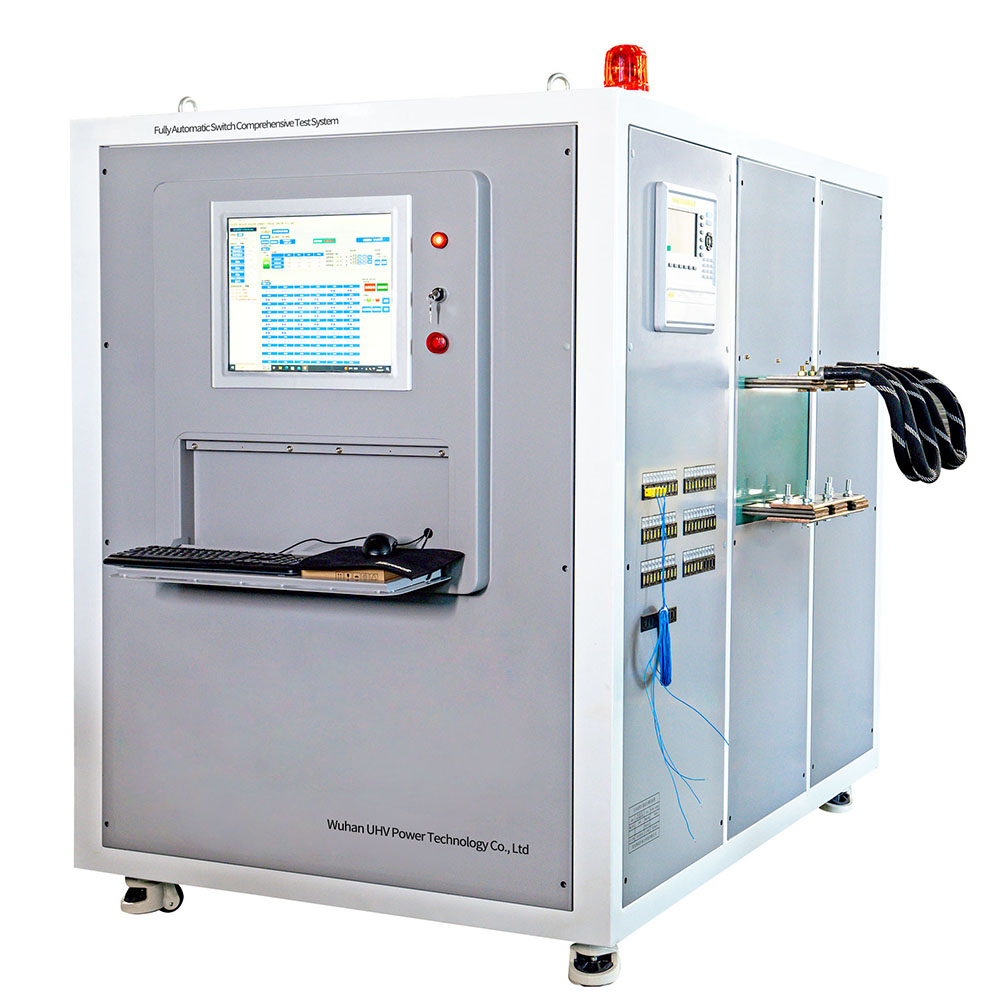
The switch socket temperature rise tester is a key detection equipment for evaluating the safety and reliability of low-voltage electrical accessories, and its value is determined by the importance and technical complexity of the functions it performs. This instrument is mainly used to simulate the heating situation of products such as switches, sockets, and wiring terminals under long-term rated current and overload current conditions. It accurately measures the temperature rise of their conductive circuits and easily accessible components to ensure that the products comply with national safety standards and prevent the risk of fire or electric shock caused by overheating. As a professional supplier of electrical testing equipment, Wuhan UHV's temperature rise test device has high reference value in the industry.
The core technical indicators of the testing instrument are the foundation of its value. Among them, the range, stability, and accuracy of current output are the primary considerations. The rated current range covered by switch socket products is very wide, ranging from several amperes to hundreds of amperes, so the tester needs to have a wide and accurately adjustable current output capability. The equipment of Wuhan ultra-high voltage can usually provide continuously adjustable large current from low to high, and ensure minimal current fluctuations during long-term operation, which is a prerequisite for obtaining accurate and reproducible temperature rise data. In addition, the ability to synchronously output multiple currents is particularly important for testing multiple sockets or combination products simultaneously, as this functional feature directly affects the complexity and final pricing of the equipment.
The progressiveness of the temperature measurement system is directly related to the accuracy and efficiency of the test results. The traditional thermocouple temperature measurement method requires manual point placement, which is inefficient. Modern advanced temperature rise testers typically integrate multi-channel temperature data acquisition systems, which can simultaneously monitor temperature changes at dozens or even more measurement points, and achieve automatic recording, storage, and analysis of data. The solution for Wuhan UHV may include high-precision temperature sensors and fast response acquisition modules, combined with professional software, which can draw real-time temperature rise curves, automatically determine the stable state of temperature rise, and generate test reports in standard formats. The number of temperature measurement channels, collection speed, and accuracy are key factors in distinguishing equipment grades and affecting the overall configuration level.
The degree of automation and intelligence of equipment is an important dimension for enhancing value. A fully functional temperature rise tester is not just a simple combination of a current source and a thermometer, but also an intelligent system that integrates control, measurement, protection, and data analysis. The equipment of Wuhan ultra-high voltage may have a fully automated testing process: after the user sets parameters such as test current and time, the system can automatically increase and maintain current, record data at a fixed time, and automatically end the test after the temperature rise stabilizes, greatly reducing manual operation intensity and human error. In addition, intelligent fault diagnosis, over temperature and over current protection, remote monitoring and other functions have also increased the technical content, convenience and safety of the equipment.
The reliability and long-term stability of a system are the core of measuring its value in use. The temperature rise test often requires continuous power on for several hours or even longer, which poses a severe challenge to the stability of the equipment power supply, the conductivity of the connecting components, and the overall heat dissipation design. Wuhan UHV will pay attention to selecting high-quality high-power regulators, transformers, and low resistance connecting conductors in product design, and equipped with efficient cooling systems to ensure that the equipment can maintain stable performance even under full load and long-term operation. This inherent reliability design, although increasing manufacturing costs, is crucial for ensuring the accuracy of test data and the service life of equipment, avoiding potential losses caused by testing interruptions or invalid results due to equipment failures.
The comprehensive service capabilities of manufacturers constitute the added value of equipment. Purchasing a temperature rise tester is not a one-time transaction, and subsequent technical support, operation training, regular calibration, and maintenance are equally important. Wuhan UHV, as a strong supplier, usually provides a full chain service from scheme consultation, installation and commissioning, personnel training to after-sales maintenance. A comprehensive after-sales service guarantee system ensures that users can fully utilize equipment efficiency and solve problems encountered during use, which to some extent constitutes a part of the overall value of the product and enables users to achieve long-term returns on their investment.
In summary, the value evaluation of the switch socket temperature rise tester is a comprehensive issue that requires comprehensive consideration of its technical parameters, system configuration, automation level, reliability, and underlying service support. Users should conduct detailed performance comparisons and configuration analyses of different models of Wuhan UHV and other brands based on their own testing standard requirements, sample types, testing flux, and long-term development plans when inquiring or purchasing. Choosing a device with advanced technology, stable operation, and guaranteed service, although the initial investment may vary, is undoubtedly a more cost-effective and wise choice from the perspective of improving detection efficiency, ensuring accuracy of results, and ensuring long-term stable operation of the laboratory.