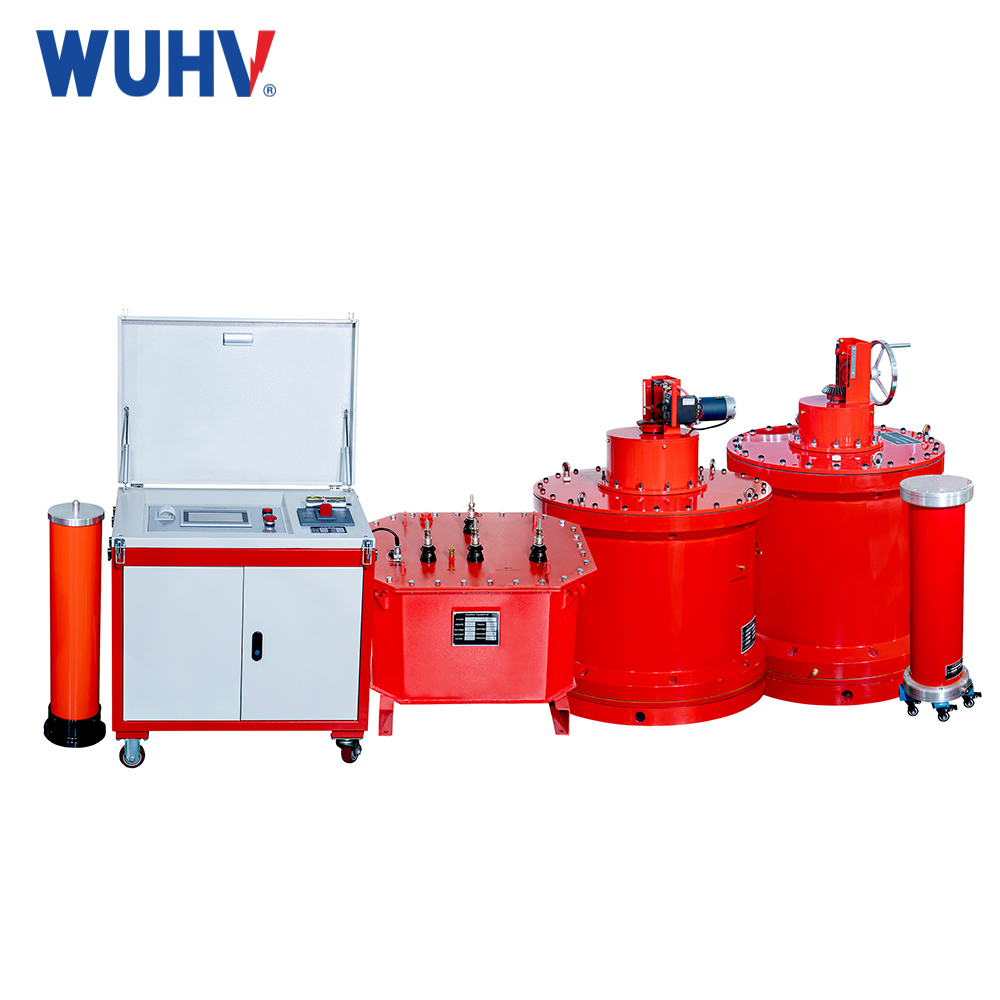
The importance of "grounding" in the safe operation of power systems and electrical equipment is self-evident. It is like a silent guardian, sharing fault currents at critical moments, protecting equipment and personal safety. Do you know how to accurately measure the quality of grounding? Today, let's talk about the grounding resistance tester and how to use it to ensure a safer electrical world.
Why is grounding resistance so critical?
Simply put, grounding resistance is the resistance encountered by current flowing from a grounding body to the earth. The smaller this value, the better the grounding, and the easier it is for the fault current to be conducted away. If the grounding resistance is too high, once a fault occurs, the current cannot be effectively dissipated, which may affect the normal operation of the equipment or even cause electric shock accidents. Therefore, regular testing and evaluation of grounding resistance is of utmost importance in ensuring safe production of electricity.
What are the "behind the scenes" factors that affect grounding resistance?
You may ask, is the grounding resistance a fixed value? In fact, it will be influenced by various factors:
The conductivity of soil: This is the most important influencing factor. The moisture, temperature, salt content, and composition of soil directly affect its electrical conductivity.
The structure of the grounding body: The size, shape, material, and burial depth of the grounding body will affect the grounding resistance.
Corrosion or aging of grounding body: Over time, the grounding body may rust or be damaged due to natural environment or chemical corrosion, leading to an increase in resistance.
The distribution of grounding network: The layout and density of grounding network can also affect the overall grounding effect.
'Sharp Tool' Debuts: Solution from Wuhan UHV Power Technology Co., Ltd
To accurately measure grounding resistance, professional testing instruments are indispensable. The AC grounding resistance tester provided by Wuhan UHV Power Technology Co., Ltd. is your reliable "assistant". This type of instrument can accurately measure the AC grounding resistance of the grounding system through professional technology.
How does it work? This type of tester usually uses the current injection method, which applies a known AC current to the grounding body, measures the potential difference between the grounding body and the ground, and then calculates the grounding resistance according to Ohm's law.
What are the advantages? Modern AC grounding resistance testers have the advantages of easy operation, intuitive readings, high accuracy, and strong anti-interference ability. Especially for some advanced models, they also have functions such as automatic range switching, data storage, and uploading, greatly improving work efficiency.
How can we do better?
Choose appropriate testing methods and instruments: Choose testing methods such as three pole method or four pole method according to the actual situation, and select instruments that meet national standards.
Scientific selection of testing points: Ensure that the testing points can represent the actual situation of the entire grounding system.
Regular testing: Develop a reasonable testing plan, especially for key inspections after seasonal changes or equipment major repairs.
Keep good records and analysis: Detailed record of each test data and conduct trend analysis to promptly identify potential issues.
Understand relevant standards: Familiar with GB 1989-2008 "Electrical Safety - Code for Design of Grounding Devices" and other relevant specifications to ensure that testing and evaluation meet the requirements.
FAQ
Q1: Why is it better to have a smaller grounding resistance? A: A small grounding resistance means that the current is easier to enter the ground, which can effectively discharge fault currents and protect equipment and personal safety.
Q2: What factors can affect the measurement accuracy of grounding resistance? A: Soil resistivity, test current size, contact between grounding electrodes and the ground, and the presence of other grounding bodies around can all affect measurement accuracy.
Q3: What are the characteristics of the equipment of Wuhan UHV Power Technology Co., Ltd. in measuring grounding resistance? A: Our equipment is designed with full consideration of the complexity of the actual operating environment, featuring high precision, strong anti-interference ability, and convenient operation.
Q4: How often is the grounding resistance test conducted? A: This depends on the importance of the equipment, the operating environment, and local legal and regulatory requirements, and it is usually recommended to test at least once a year.
Q5: Is the AC grounding resistance tester applicable to all grounding types? A: The AC grounding resistance tester is mainly used to measure the AC grounding resistance of the system, and other specialized equipment may be required for DC grounding, etc.