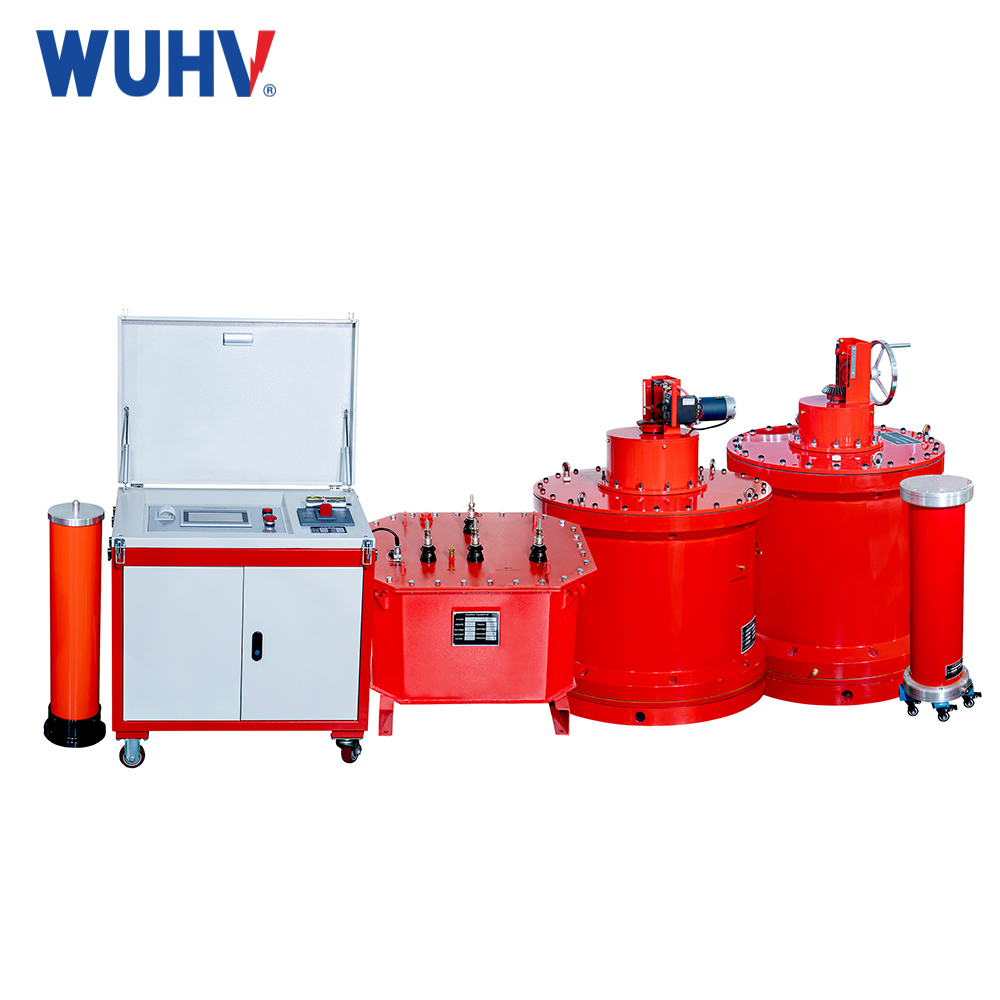
In the field of power equipment operation and maintenance, "signal interference" is like a lurking enemy, often blurring the originally clear measurement data. And today, the 'warrior' we are going to talk about is specifically designed to combat this type of problem - the anti-interference dielectric loss tester. What exactly is it? How can it become a reliable assistant for us to conduct insulation performance testing of power equipment?
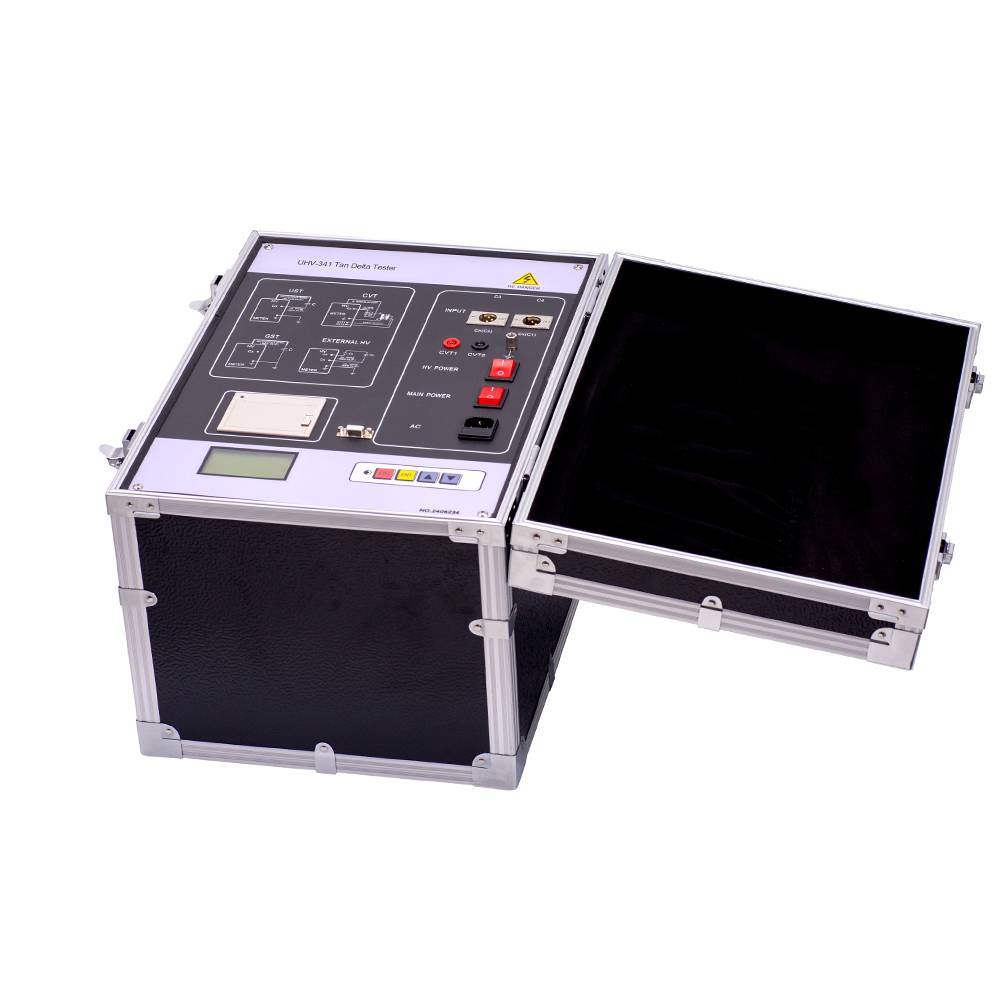
What is dielectric loss testing? Why should we resist interference?
Simply put, dielectric loss testing (also known as dielectric loss testing) is like conducting a "physical examination" of the insulation material of electrical equipment. Under the action of an electric field, insulating materials will consume a portion of energy, manifested as heat generation, and this energy loss is called dielectric loss. The magnitude of the dielectric loss value can directly reflect the aging degree, moisture condition, or the presence of internal defects of the insulation material.
Why do we need 'anti-interference'? In actual power sites, electromagnetic waves and noise signals generated by the operation of various electrical equipment are ubiquitous. These external "noises" can easily mix into the measurement signals we collect, causing distortion of the dielectric loss test data. This can affect the accuracy of the judgment, or even lead to misjudgment and pose a safety hazard. Wuhan UHV Power Technology Co., Ltd. is well aware of this and is committed to providing the most reliable measurement solutions.
What factors affect the accuracy of dielectric loss testing
External electromagnetic interference: This is the most common and headache inducing problem. High voltage lines, switch operations, and transformer operation can all generate strong electromagnetic fields.
The noise of the instrument itself: Any electronic device has its own noise, and if the design of the testing instrument itself is not sophisticated enough, it may also introduce errors.
Shielding effect of connecting cables: If the cable is not well shielded, it is like not having a "soundproof ear cup" and is easily affected by external interference.
Changes in on-site environment: Changes in environmental factors such as temperature and humidity can also affect the dielectric properties of insulation materials.
With the help of sharp tools, it is easy to achieve precise measurement
How should we "see and take action" in the face of numerous interferences? The anti-interference dielectric loss tester is our 'secret weapon'. This type of instrument usually adopts advanced digital signal processing technology and filtering algorithms, which can effectively filter out external noise and extract real measurement signals.
Its core advantages are reflected in:
Strong anti-interference ability: It can effectively suppress various electromagnetic interferences on site and ensure the stability of measurement data.
High precision measurement: Even in complex environments, high-precision dielectric loss tangent and capacitance values can be obtained.
Easy to operate: Modern instrument design makes complex testing processes simple and intuitive.
Intelligent diagnosis: Combining the professional experience of Wuhan UHV Power Technology Co., Ltd., instruments often provide deeper diagnostic analysis.
How can we do better?
Choosing a reputable brand: Just like choosing Wuhan UHV Power Technology Co., Ltd., a manufacturer with a good reputation in the industry, can ensure the performance and after-sales service of the instrument.
Standardized operating procedures: Follow the instructions in the instrument manual, connect cables correctly, and avoid human interference.
Regularly calibrating instruments: Ensuring the accuracy of testing instruments is as important as regular physical examinations.
Based on the actual situation on site: understand the interference sources on site and choose the appropriate testing mode.
New Trends in Dielectric Loss Testing in the Intelligent Era
With the advancement of technology, anti-interference dielectric loss testers are also constantly developing. Intelligence and networking have become new trends, and in the future we may see more devices integrating AI diagnosis and remote monitoring functions emerge.
Frequently Asked Questions:
Why is the data always unstable during dielectric loss testing? This is usually due to excessive electromagnetic interference on site or insufficient anti-interference ability of the instrument itself. Choosing an excellent anti-interference dielectric loss tester is crucial.
What factors can affect the accuracy of dielectric loss testing? External electromagnetic interference, instrument noise, cable shielding effectiveness, and changes in on-site environment may all affect testing accuracy.
What is the significance of "dielectric loss" and "capacitance" values in detection? The dielectric loss value reflects the degree of aging or moisture absorption of the insulation material, while the capacitance value is related to the dielectric constant and geometric dimensions of the insulation material. The combination of the two can more comprehensively evaluate the insulation state.
If there is too much interference on site, are there any emergency measures? You can try testing during periods of low interference, or choose testing cables with better shielding performance.
What are the advantages of Wuhan UHV Power Technology Co., Ltd. in this type of instrument? Wuhan UHV Power Technology Co., Ltd. has been deeply involved in the field of power testing instruments for many years, with rich technical accumulation and professional product research and development capabilities. Its products perform well in anti-interference and precise measurement.