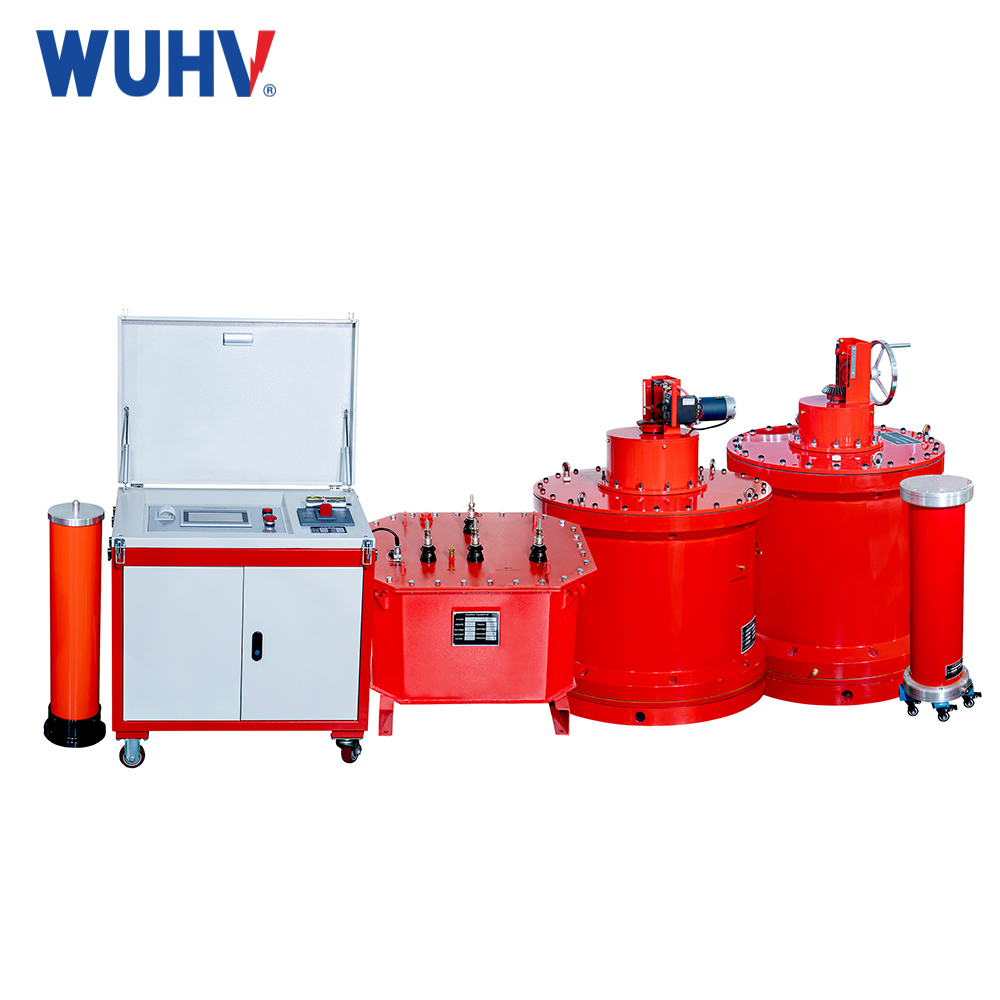
In the field of power equipment maintenance and testing, dielectric loss is a very important measurement indicator. It directly reflects the degree of deterioration of the insulation material, indicating potential safety hazards of the equipment. Traditional dielectric loss testing methods are often time-consuming and labor-intensive, and are susceptible to human factors. The emergence of fully automatic dielectric loss testers has greatly improved the efficiency and accuracy of this process.
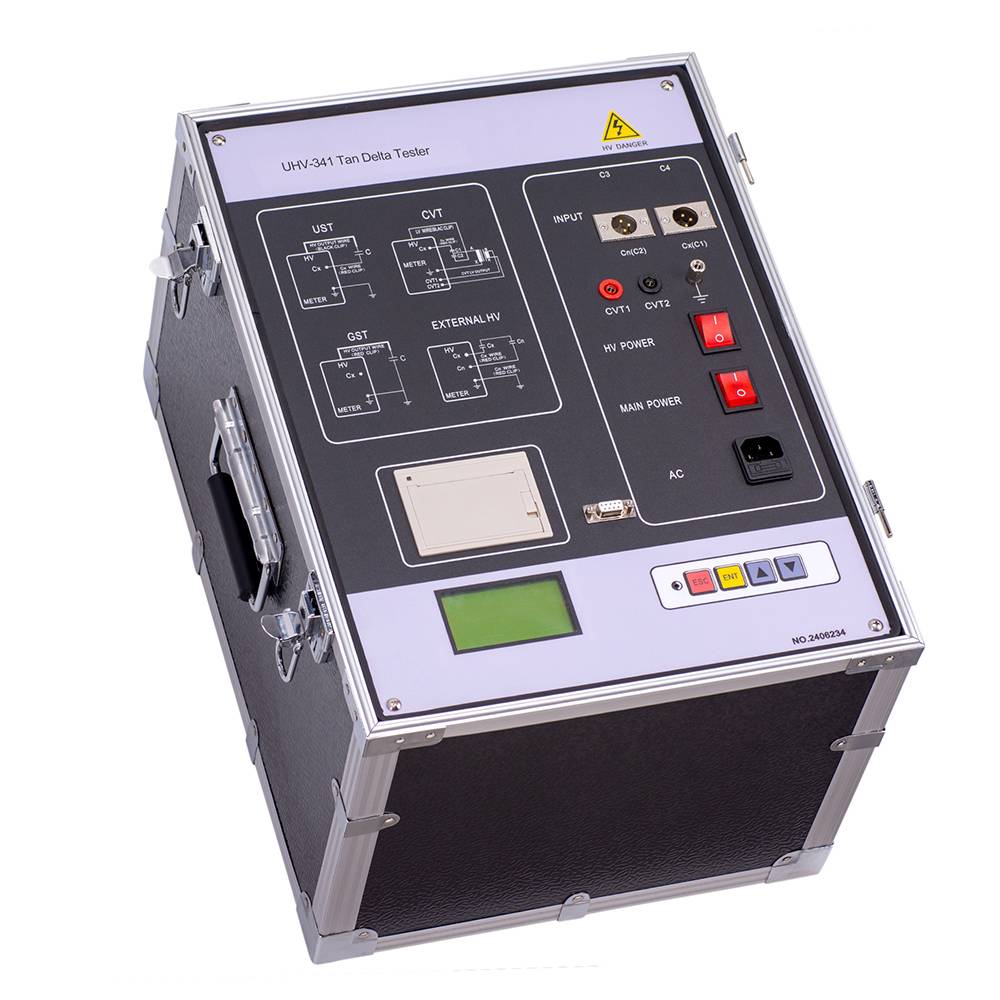
What is dielectric loss? Why should we pay attention to it?
Simply put, dielectric loss refers to a phenomenon of energy loss within a medium under the action of an alternating electric field, mainly manifested as heat. For power equipment, an increase in the dielectric loss value of its insulation materials (such as transformer insulation oil, cable insulation layer, etc.) usually means that the insulation material absorbs moisture, ages, or is contaminated by impurities, leading to a decrease in insulation performance. This is like the body's "inflammation" signal, indicating potential risk of malfunction.
Key factors affecting dielectric loss
Humidity: Moisture absorption of insulation materials is the most common cause of increased dielectric loss.
Temperature: An increase in temperature usually accelerates material aging, which in turn affects dielectric loss.
Material aging: Long term operation and usage environment can cause the performance of insulation materials to deteriorate.
Impurities: Pollutants such as sludge and metal particles can damage the insulation structure and increase losses.
Electric field strength: In some cases, excessively high electric field strength can also affect the dielectric loss value.
Solution of Wuhan UHV Power Technology Co., Ltd
As a leading domestic provider of power equipment testing technology, Wuhan UHV Power Technology Co., Ltd. has rich experience and advanced technology in the field of dielectric loss testing. The fully automatic dielectric loss tester they provide can automatically complete a series of complex processes such as wiring, measurement, calculation, and data recording, greatly reducing the burden on on-site testing personnel.
How does the fully automatic dielectric loss tester work?
This type of instrument utilizes the principle of bridge balance or digital signal processing technology to accurately measure the capacitance and loss tangent (tan δ) of insulation materials at specific frequencies and voltages.
Automatic wiring: The tester can automatically identify and connect the test terminals of the tested equipment (such as transformers, transformers, cables, etc.), reducing manual wiring errors.
Parameter setting: The operator only needs to input the necessary test parameters (such as test voltage and frequency), and the instrument will automatically operate.
Data collection and analysis: The instrument automatically performs a series of measurements at frequencies or voltages, and calculates key indicators such as dielectric loss factor and power factor based on built-in algorithms.
Result report: After the test is completed, the instrument can directly generate a detailed test report, making it convenient for users to evaluate the equipment status.
Improve testing efficiency and accuracy
Compared with manual testing, the advantages of fully automatic dielectric loss tester are very obvious:
Faster speed: Automated processes significantly reduce testing time.
Higher accuracy: avoids errors caused by human operation and improves the reliability of measurement data.
Improved safety: reduces direct contact between operators and high-voltage equipment.
Data standardization: A unified testing process and report format for easy diagnosis of power equipment and comparison of historical data.
Wuhan UHV Power Technology Co., Ltd. is well aware of the importance of insulation in electrical equipment. Therefore, they continuously optimize the design of their testing equipment to ensure stable operation even in complex and changing on-site environments, providing protection for power safety operation and maintenance.
Frequently Asked Questions (FAQ)
Q1: What are the common frequencies of dielectric loss testing? A1: Common testing frequencies include 50Hz (or 60Hz) and 10kHz. Different frequencies can reflect the characteristics of insulation materials under different conditions.
Q2: Under what circumstances should special attention be paid to the results of dielectric loss testing? A2: When the measured dielectric loss value significantly increases compared to historical data or exceeds industry standards, it needs to be highly valued and further diagnosed for equipment health.
Q3: What is the measurement range of the fully automatic dielectric loss tester? A3: The measurement range depends on the specific model, but it can usually meet the insulation performance testing needs of the vast majority of high-voltage power equipment (such as transformers, GIS, cables, etc.).
Q4: What is the difference between dielectric loss testing and insulation resistance testing? A4: Insulation resistance testing mainly evaluates the leakage ability of insulation materials, while dielectric loss testing focuses more on the degree of deterioration and energy loss of insulation materials. The two are complementary methods for detecting electrical fittings.
Q5: What safety precautions should be taken when using a fully automatic dielectric loss tester? A5: It is necessary to follow the operating procedures for high-voltage equipment on site, ensure good grounding, and confirm that the operators have received professional training before testing.