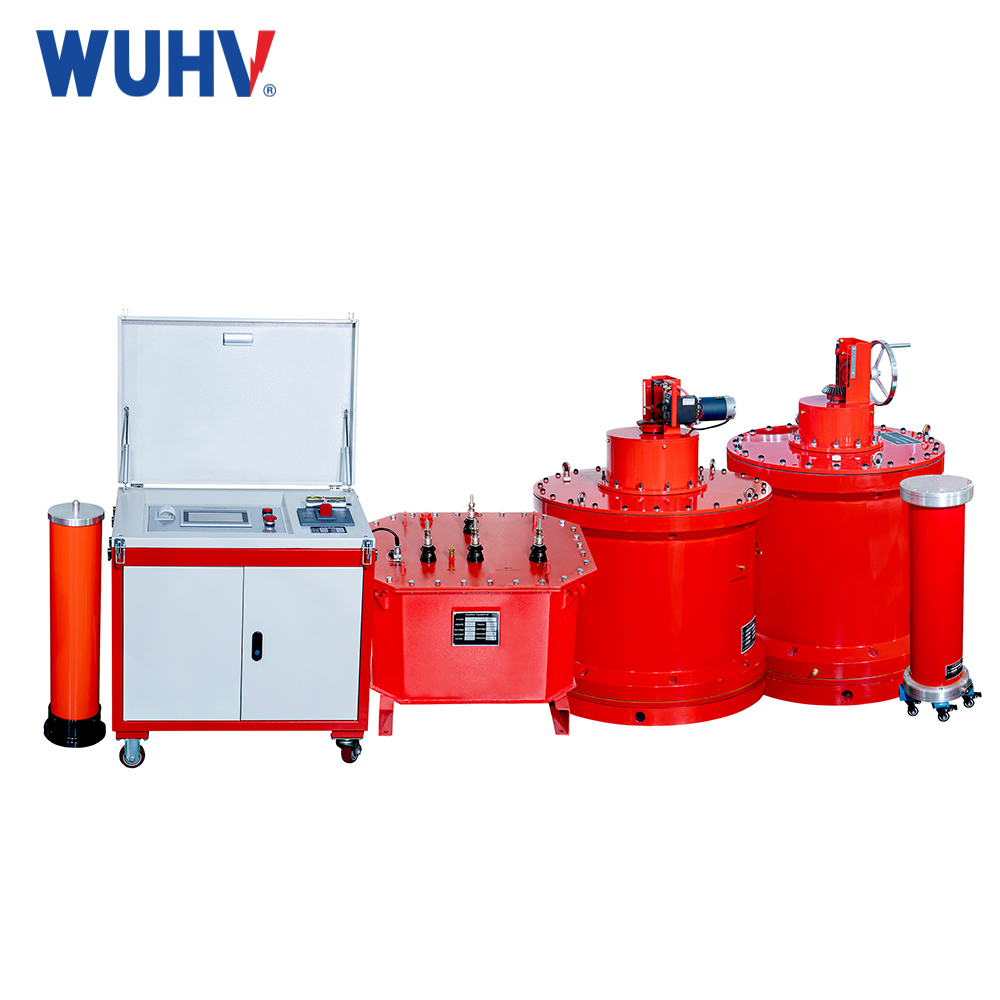
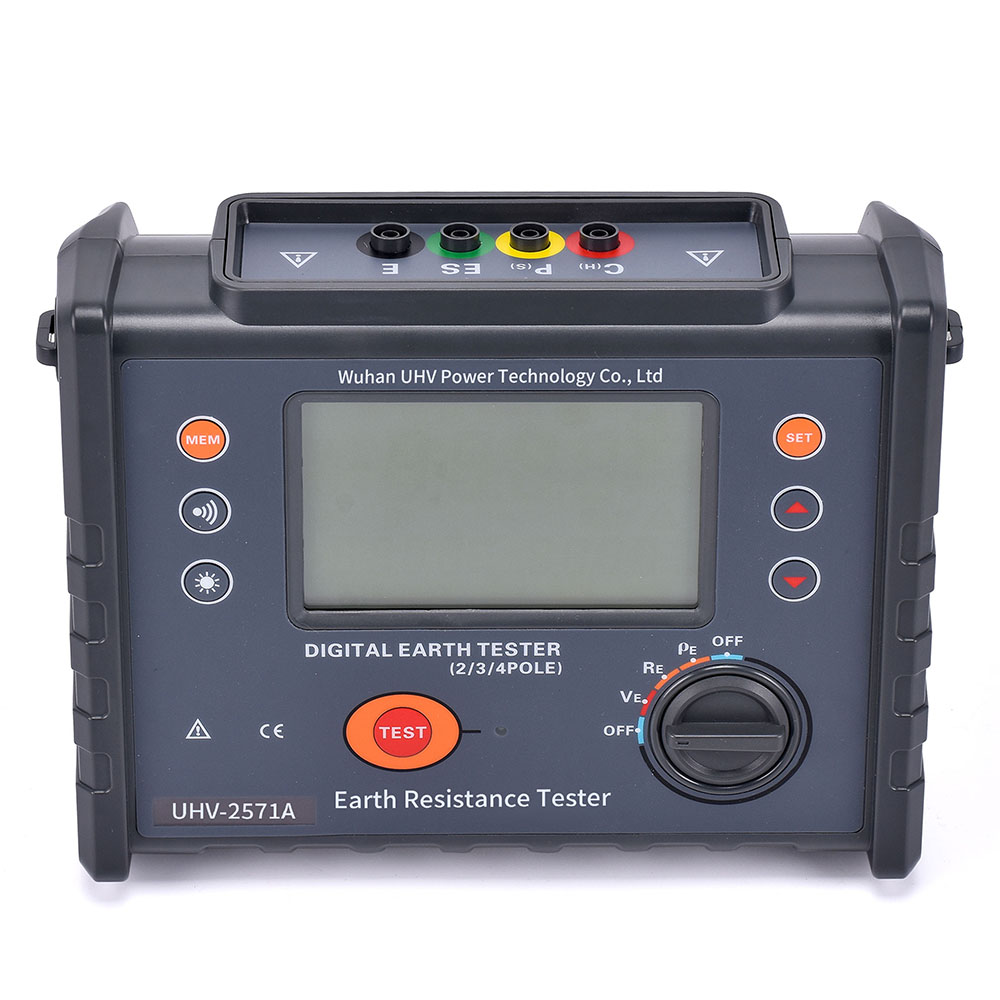
In the field of power safety, the reliability of grounding systems is crucial, and electronic grounding resistance testers are key equipment to ensure this reliability. What exactly is it? Simply put, it is an instrument used to measure the resistance value of grounding devices, evaluating the effectiveness of grounding systems by measuring the contact resistance between the grounding body and the earth. The smaller the grounding resistance, the more advantageous it is to guide the fault current into the ground, protecting equipment and personal safety.
The 'behind the scenes driver' affecting the reading of electronic grounding resistance tester
There are many factors that can affect the reading of electronic grounding resistance testers, just like a wonderful performance, with various "behind the scenes drivers" at work:
Soil resistivity: This is the most crucial factor. The moisture, composition (such as salt content and organic matter content), and temperature of soil can significantly change its electrical resistivity. For example, the electrical resistivity of dry, sandy soil is much higher than that of moist, mineral rich soil.
The shape and size of the grounding body: The larger the surface area of the grounding body, the easier it is to "shake hands" with the ground, and the lower the contact resistance. A grounding body with a regular shape and moderate burial depth often provides lower grounding resistance.
Contact between grounding body and soil: If the soil around the grounding body is compacted or there is an air gap, it will increase the contact resistance. The close contact between soil and grounding body is crucial.
Climate conditions: Fluctuations in humidity and temperature caused by seasonal changes, as well as thunderstorms, may temporarily affect soil resistivity, thereby affecting test results.
Test current and frequency: The magnitude and frequency of the test current output by the tester can also affect the measurement results, especially when the soil resistivity is high.
The accuracy and status of the instrument itself: Wuhan UHV Power Technology Co., Ltd. is well aware that any precision instrument requires regular calibration and maintenance to ensure its stable performance and accurate readings.
Cleverly utilizing tools to make measurements more accurate
To accurately measure electronic grounding resistance, in addition to relying on reliable testers, it is also necessary to master some "tricks":
Choose the appropriate testing method: Common methods include three pole method, four pole method, etc. Select the most suitable method based on site conditions and measurement accuracy requirements. For example, in areas with significant changes in soil resistivity, the quadrupole method can effectively reduce the impact of contact resistance between the grounding body and the soil, providing more accurate measurements.
Optimize test point layout: The spacing and position of grounding probes have a significant impact on test results. Follow the instructions in the tester manual and arrange the probes reasonably to avoid mutual interference.
Pay attention to testing current: Different testers have different testing current ranges. When measuring low resistance grounding bodies, choosing instruments that can output larger test currents can improve the stability and accuracy of the measurement.
Pay attention to environmental factors: try to choose a time when the weather is relatively stable and the soil moisture is moderate for measurement. If measurements must be taken under special conditions, the impact of environmental factors on the results should be fully considered.
Regular calibration and maintenance: The equipment provided by Wuhan UHV Power Technology Co., Ltd. has undergone strict quality control. However, even so, any measurement of grounding resistance needs to follow the instrument's instructions for use, undergo regular testing and calibration to ensure its accuracy.
What is it closely related to?
The application of electronic grounding resistance tester is closely related to many fields, such as:
Power system: grounding grid of substations, transmission lines, generator grounding, etc.
Communication base station: Ensure the stable operation of communication equipment and lightning protection.
Building electrical: lightning protection grounding and equipment grounding of buildings.
Industrial plant: Grounding of high-power equipment and high-voltage equipment.
How can we do better?
To improve the measurement of grounding resistance, you can start from the following points:
Establish a comprehensive grounding detection file: record each measurement data, time, environmental conditions, and instrument model used for trend analysis and fault tracing.
Strengthen personnel training: Ensure that operators are proficient in instrument usage and testing techniques, and understand various influencing factors.
Choose a reputable supplier: Professional manufacturers like Wuhan UHV Power Technology Co., Ltd. not only provide high-quality equipment, but also offer professional technical support and after-sales service to help users solve practical problems.
Introducing automated monitoring: For critical grounding systems, online monitoring equipment can be considered to achieve real-time and continuous monitoring of grounding resistance.
FAQ
How much does an electronic grounding resistance tester usually cost? The price range is very wide, ranging from a few hundred yuan to several thousand yuan, depending on the brand, accuracy, functionality, and measurement range.
Why is my grounding resistance measurement unstable? Possible reasons include changes in soil resistivity, poor probe contact, interference with the instrument, or problems with the instrument itself.
Is it better to have a smaller grounding resistance? In principle, the smaller the better, but there are also national standards that specify the maximum allowable grounding resistance values for different application scenarios.
What is the difference between the three pole method and the four pole method? The four pole method is more effective in eliminating the influence of contact resistance between the grounding body and soil than the three pole method, and the measurement results are more accurate.
Does the grounding resistance tester need to be calibrated regularly? Yes, to ensure measurement accuracy, it is recommended to calibrate annually or according to the instrument manufacturer's recommendations.