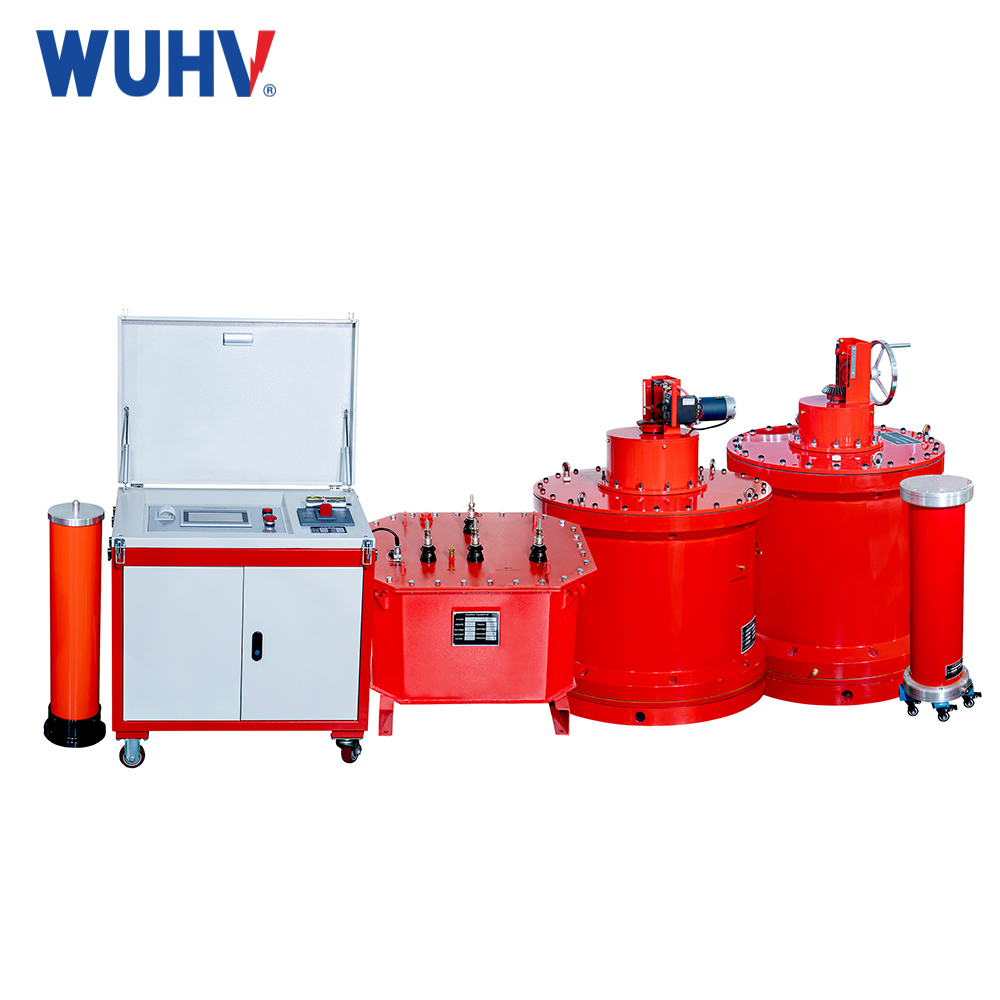
In the guarantee system for the safe operation of power equipment, the insulation resistance meter plays a crucial role. Perhaps you may feel a little unfamiliar with this name, but it is a ruler for measuring the "health status" of electrical equipment. What is insulation resistance, why do we need to care about it, and how can we use an insulation resistance meter to perform this test?
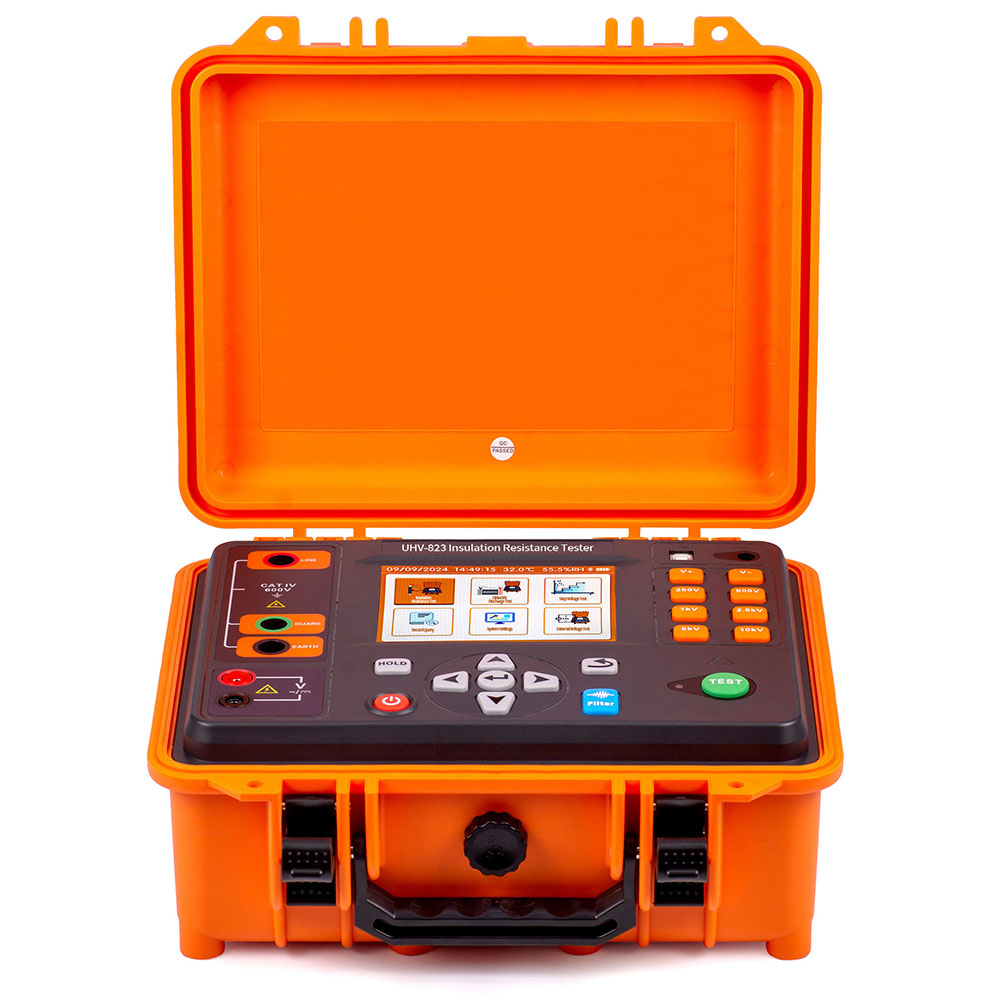
Understand insulation resistance and insulation resistance meter
Simply put, insulation resistance refers to the resistance of current flowing through an insulating material. Good insulation means that current can only flow along the designed conductor and will not 'deviate' to the equipment casing or other non electrified parts. When the insulation performance decreases, there is a risk of leakage, short circuit, and even electric shock in the equipment.
As the name suggests, an insulation resistance meter is an instrument specifically designed to measure the magnitude of insulation resistance. It calculates the insulation resistance by applying a high DC voltage and measuring the resulting small current. Imagine it's like conducting a physical examination on the "insulation protection layer" of the device, to see if this layer of "protective film" is still thick and strong enough.
What are the "behind the scenes" factors that affect insulation resistance?
To accurately measure and understand the value of insulation resistance, it is necessary to know what factors can be manipulated:
Dampness and humidity: This is the most common 'enemy'. Water is conductive, and when insulating materials absorb moisture, their conductivity greatly increases, leading to a sharp decrease in insulation resistance.
Temperature changes: High temperatures accelerate the aging and degradation of insulation materials, and long-term high-temperature operation is particularly detrimental to maintaining insulation performance.
Dust and dirt: Dust and oil stains adhering to insulation surfaces, especially conductive dirt, can form conductive pathways and reduce insulation resistance.
Mechanical damage: Physical damage such as wear, scratches, and compression of insulation materials can damage their integrity and leave "hidden dangers".
Aging and service life: Any material has its service life, and insulation materials are no exception. Over time, even without significant external damage, its insulation performance will naturally deteriorate.
Clever tools for more accurate detection
When it comes to testing tools, various high-quality insulation resistance meters under Wuhan UHV Power Technology Co., Ltd. are your reliable assistants. They are easy to operate, have intuitive readings, and can accurately measure the insulation resistance values required for equipment of different voltage levels.
Choose the appropriate measurement voltage: Different devices and voltage levels require different measurement voltages to be applied. For example, low-voltage equipment may only require a few hundred volts, while high-voltage equipment requires thousands of volts. Choosing the correct measurement voltage is necessary to obtain meaningful readings.
Keep the environment clean and dry: Before conducting measurements, try to clean the surface of the equipment as much as possible and avoid operating in damp or dusty environments.
Multiple measurements: To obtain more reliable results, multiple measurements can be taken at different locations or time points, and the average value can be taken.
Comparing historical data: What's important is not just the current reading, but also observing its changing trends. If the insulation resistance continues to decrease, even if it is still within the qualified range, it is necessary to be vigilant.
The "front and back connection" of insulation resistance testing
The measurement of insulation resistance is closely related to many electrical maintenance tasks:
Preventive maintenance: Regular measurement of insulation resistance is an important part of preventive maintenance. It can detect potential problems in advance, avoid sudden equipment failures, reduce downtime and maintenance costs.
Fault diagnosis: When equipment malfunctions, measuring insulation resistance can help determine whether the fault is occurring in the insulation system or other parts.
New equipment acceptance: Newly installed equipment must undergo insulation resistance testing before being put into use to ensure compliance with factory standards and installation requirements.
How can we do better? ——The combination of expertise and experience
To improve the measurement of insulation resistance, relying solely on tools is not enough. It is also necessary to:
Professional knowledge reserve: Understand the insulation material characteristics, industry standards, and minimum allowable insulation resistance values of different types of equipment.
Rich practical experience: Accumulate the ability to judge various insulation fault phenomena, and be able to analyze specific causes based on measurement results.
Standardized operating procedures: Strictly follow the equipment manual and safety regulations to ensure the safety and accuracy of the measurement process.
Wuhan UHV Power Technology Co., Ltd., as a leader in the industry, not only provides high-quality testing equipment, but also actively promotes knowledge of safe electricity use, helping users improve their electrical safety management level.
Frequently Asked Questions (FAQ)
How often do I need to measure insulation resistance? This depends on the type of equipment, operating environment, and service life. Generally speaking, it is recommended to measure critical equipment at least once a year, while high-risk or outdated equipment may require more frequent inspections.
Is it better to measure the lower the insulation resistance value? No, the lower the insulation resistance value, the worse the insulation performance and the higher the risk of leakage. What we pursue is a relatively high and stable insulation resistance value.
Under what conditions is the most accurate measurement of insulation resistance? Measurements will be more reliable when the equipment is powered off, cooled, and the environment is clean and dry.
What should I do if the insulation resistance value is not qualified? The equipment should be immediately stopped from use, the cause should be identified, and maintenance or replacement of insulation materials should be carried out. It can only be put back into use after passing the inspection.
Is there any other method besides an insulation resistance meter to test insulation performance? Some, such as dielectric loss testing, partial discharge detection, etc., are usually aimed at more advanced equipment and deeper fault analysis.