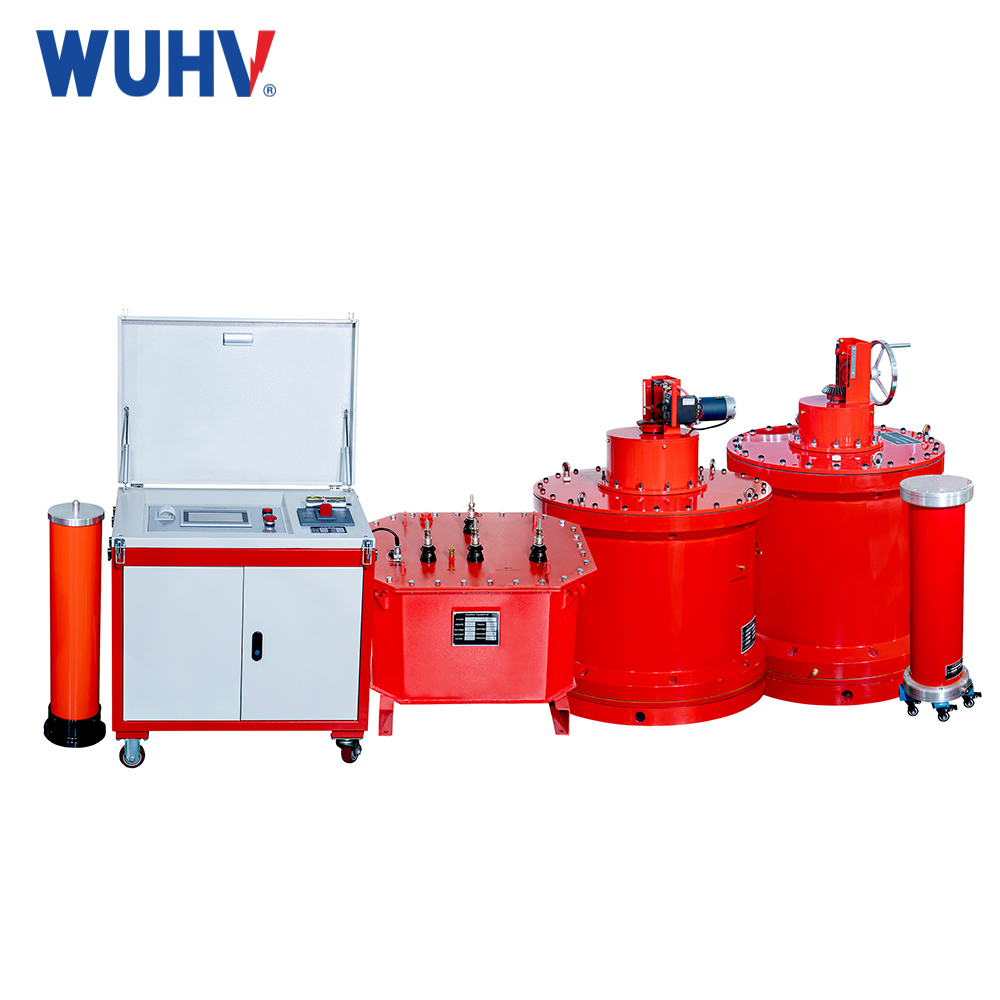
The detection of insulation performance is crucial in the safe operation of power equipment. The very-low frequency withstand voltage tester is the key "medical examiner" to ensure this performance. It conducts a gentle yet effective "physical examination" of high-voltage equipment to ensure its safety and reliability even under harsh operating conditions.
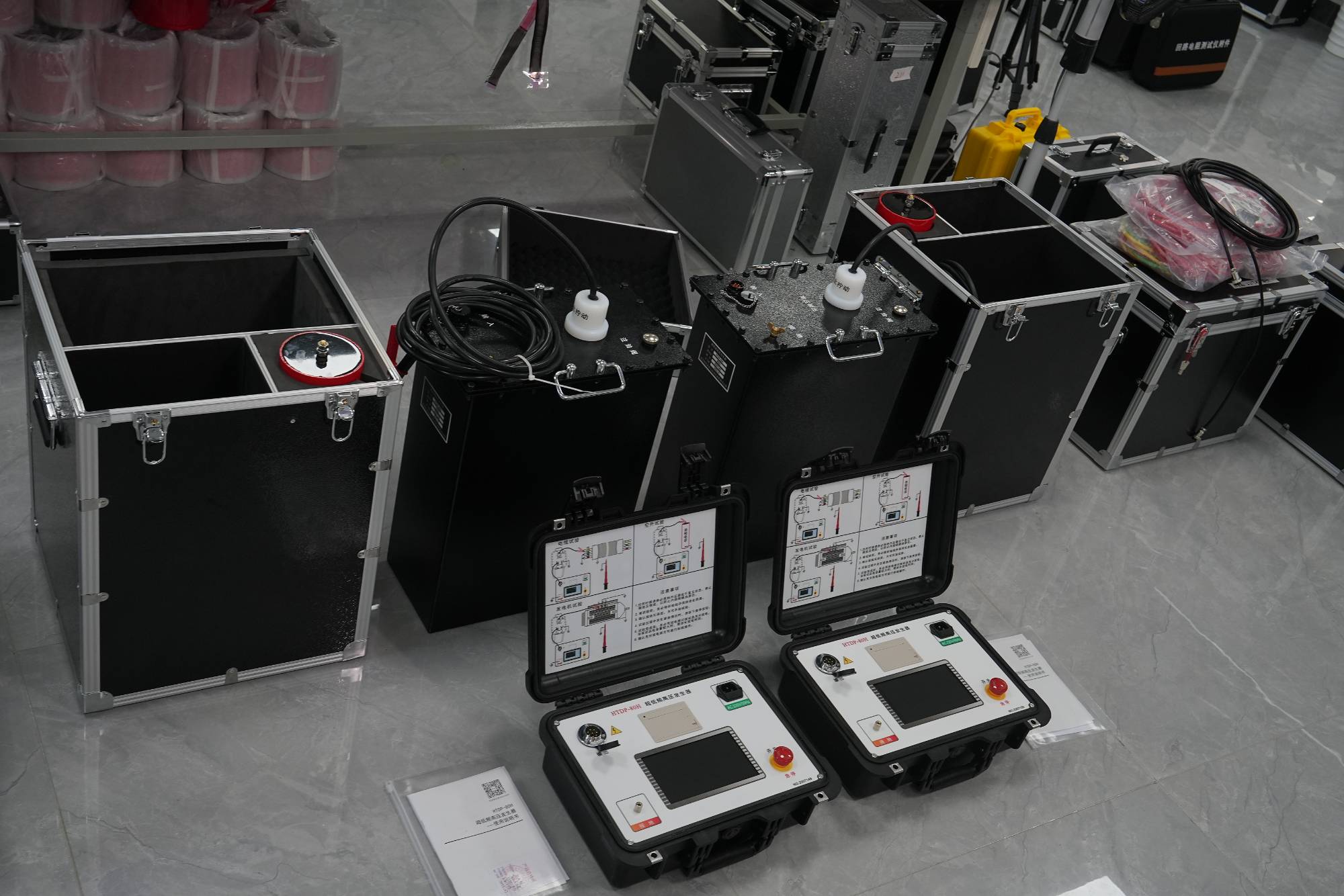
What is very-low frequency withstand voltage test?
Simply put, very-low frequency withstand voltage testing is a method of testing the withstand voltage capability of insulation materials such as power equipment insulation cardboard and insulation oil by applying a specific low-frequency high voltage. Compared with traditional power frequency withstand voltage testing, the advantages of very-low frequency testing are:
Reduce the impact of capacitance effect: Most high-voltage equipment has a large capacitance, which can generate huge capacitance currents during testing at power frequency, requiring extremely high requirements for testing equipment and easily damaging the test object. Due to its low testing frequency, the very-low frequency tester also has a small testing current, greatly alleviating this problem.
Easy to carry and operate: Compared to bulky power frequency testing equipment, very-low frequency testers are small in size and light in weight, making them very easy to carry and operate on site.
Effective detection of early insulation defects: Even small defects in insulation materials may be amplified under high voltage and captured by very-low frequency testers, providing a basis for preventive maintenance.
Influencing factors and coping strategies
When conducting very-low frequency withstand voltage testing, there are several key factors that need to be considered:
Test voltage level: It is necessary to select the appropriate test voltage based on the rated voltage of the tested equipment. Excessive or insufficient voltage may lead to misjudgment.
Test frequency: Usually 0.1Hz, 0.05Hz, 0.025Hz and other frequencies are selected, and different frequencies have different detection effects on different types of insulation materials.
Test time: The test time needs to be long enough to ensure the accuracy of the test results, but it cannot be too long to avoid unnecessary damage to the equipment.
Environmental factors: Temperature, humidity, and other environmental factors can also affect the test results, so testing should be conducted under stable environmental conditions as much as possible.
Intelligent tools assist in efficient detection
In practical applications, the very-low frequency withstand voltage tester developed by Wuhan UHV Power Technology Co., Ltd. provides strong support for safety testing in the power industry with its advanced technology and user-friendly design. These devices not only have high-precision data acquisition and analysis capabilities, but also provide multiple intelligent testing modes that can automatically optimize testing parameters based on the characteristics of the tested device, greatly improving detection efficiency and accuracy.
How can we do better?
To ensure the effectiveness of ultra-low frequency withstand voltage testing, we can start from the following aspects:
Standardized operating procedures: Strictly follow the equipment manual and relevant standards to ensure the standardization of the testing process.
Regular calibration: Regularly calibrate the testing instruments to ensure the accuracy of their measurement data.
Comprehensive analysis: Combining the operating history of the equipment, other detection data, and actual operating conditions, conduct a comprehensive analysis of the test results to make more accurate judgments.
Pay attention to early warning: pay more attention to abnormal waveforms and data that occur during the testing process, and promptly discover potential insulation risks. The equipment of Wuhan UHV Power Technology Co., Ltd. has performed well in this regard and can provide more refined data analysis.
Relevance and Application Scenarios
Very low frequency withstand voltage testing is closely related to insulation diagnosis and preventive maintenance of power equipment. It is widely used in:
Insulation performance testing of transformers and other power transmission and transformation equipment.
Insulation and voltage withstand test of cables.
Insulation assessment of rotating electrical machines such as generators and motors.
Insulation status monitoring of ultra-high voltage equipment such as GIS (gas insulated metal enclosed switchgear).
Through the advanced equipment of Wuhan UHV Power Technology Co., Ltd., we can more effectively evaluate the insulation strength of these key equipment and ensure the stable operation of the power grid.
FAQ
Q1: Will the very-low frequency withstand voltage test damage the tested equipment? A1: Under compliant operation, very-low frequency withstand voltage testing is safe. Its testing current is small, and the damage to the insulation material is much smaller than that of the power frequency withstand voltage test, which actually helps to discover potential defects.
Q2: Which types of equipment are suitable for conducting very-low frequency withstand voltage testing? A2: Almost all high-voltage power equipment, especially large transformers, cables, generators, etc., can be evaluated for their insulation performance through very-low frequency withstand voltage testing.
Q3: How to choose the test frequency for very-low frequency withstand voltage testing? A3: The selection of test frequency depends on the insulation material and structure of the tested equipment. Usually, 0.1Hz, 0.05Hz, and 0.025Hz are commonly used levels, which need to be determined according to equipment standards and actual situations.
Q4: What factors affect the measurement accuracy of very-low frequency withstand voltage tester? A4: The measurement accuracy is mainly affected by factors such as the quality of the tester itself, environmental temperature and humidity, the reliability of the grounding of the tested equipment, and the standardization of the operator.
Q5: What is the difference between "very-low frequency withstand voltage test" and "partial discharge detection"? A5: The very-low frequency withstand voltage test mainly evaluates the overall withstand voltage capability of the insulation, while partial discharge detection detects small discharge phenomena inside the insulation. The two are complementary insulation diagnostic methods.