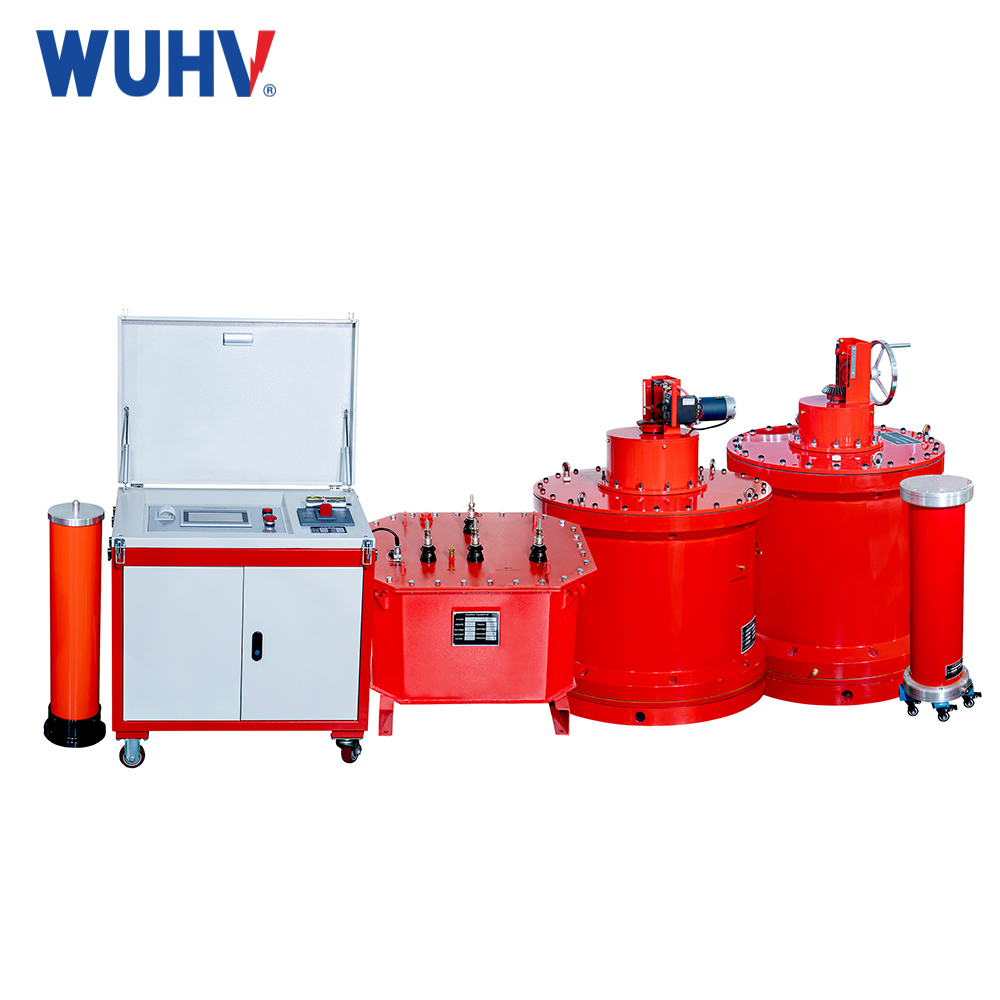
In the field of safety testing for power equipment, very low frequency withstand voltage testing plays a crucial role. You may be curious, what does this sound like a bit of technical expertise mean? How does it safeguard our daily electricity safety? Simply put, very low frequency withstand voltage test is a method of testing the insulation performance of power equipment using lower frequency AC voltage. Compared with traditional power frequency (50Hz) withstand voltage tests, very low frequency withstand voltage tests have shown unique advantages in many aspects, especially in detecting insulation aging and defects of large generators, transformers and other high-voltage equipment.
Why choose 'very low frequency'?
This is because as the operating years of power equipment increase, their insulation materials will gradually age, resulting in subtle cracks or moisture. The traditional power frequency withstand voltage test may cause rapid breakdown of these already fragile insulation points under high voltage, resulting in equipment damage. The very low frequency withstand voltage test, with its lower testing frequency (usually around 0.1Hz), can more effectively expose potential defects in the insulation, while not easily causing excessive damage to healthy insulation parts. This is like giving the device a milder but more refined "physical examination", which can detect and solve problems in advance, avoiding sudden "diseases" of "middle-aged" devices.
What are the factors that affect the effectiveness of the experiment?
To ensure the accuracy and effectiveness of the very low frequency withstand voltage test, several key points need to be paid attention to:
Selection of test voltage: Low voltage may not effectively detect defects, while high voltage may damage the equipment.
Stability of test frequency: Frequency fluctuations can affect the capacitance effect of insulation, which in turn affects the test results.
Test duration: Insufficient or excessive test time may lead to misjudgment.
Environmental factors such as temperature and humidity can affect the performance of insulation materials.
Equipment status: The insulation material type, manufacturing process, operating environment, etc. of the tested equipment may vary.
What tools can help with this job?
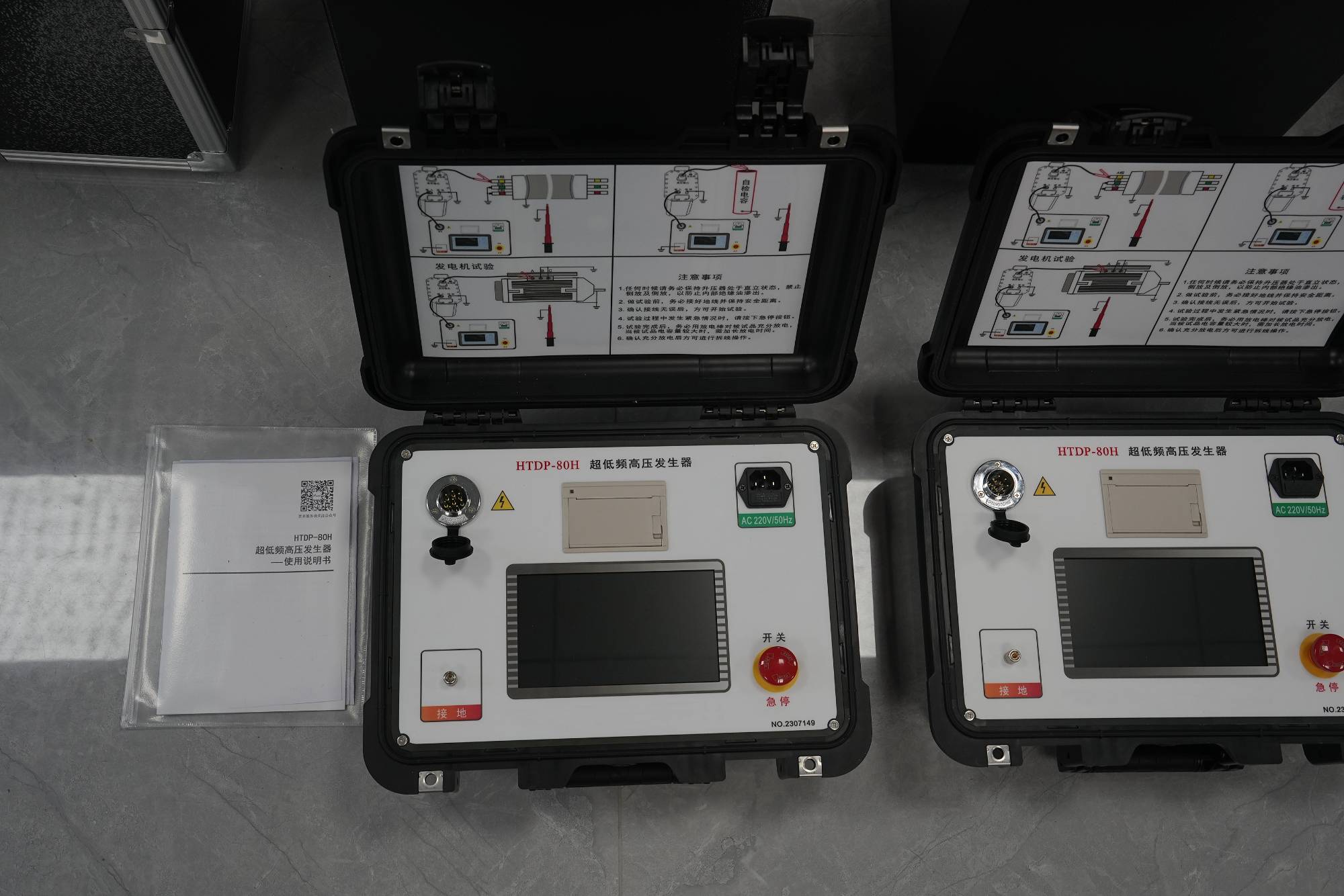
Professional testing instruments are crucial when conducting very low frequency withstand voltage tests. Taking Wuhan UHV Power Technology Co., Ltd. as an example, the very low frequency withstand voltage test device they provide can accurately control the test voltage, frequency, and time, and record the test data in real time to help engineers accurately judge the insulation condition of the equipment. These advanced devices, combined with experienced technicians, are a solid support to ensure the quality of the experiments.
What is this technology closely related to?
The very low frequency withstand voltage test is widely used in various high-voltage power equipment, including but not limited to:
Generator: Insulation monitoring, especially for large generator sets.
Transformer: Evaluate the insulation system of the transformer.
Cable: especially preventive testing of high-voltage cable lines.
Switchgear: Ensure the reliability of insulation for switchgear equipment.
How can we do better?
To do better in very low frequency withstand voltage testing, in addition to using high-quality equipment, such as the series products of Wuhan UHV Power Technology Co., Ltd., it is more important to accumulate rich practical experience and understand the insulation characteristics of different equipment under different working conditions. Establishing a comprehensive testing protocol and optimizing it based on actual conditions, while strengthening the ability to analyze and interpret test data, is the key to maximizing the value of very low frequency withstand voltage testing. Wuhan UHV Power Technology Co., Ltd. has a profound technical accumulation in the field of high-voltage testing equipment, and its products and solutions can provide strong support for users.
Frequently Asked Questions (FAQ)
What are the main differences between very low frequency withstand voltage test and power frequency withstand voltage test? The very low frequency withstand voltage test uses a lower frequency (such as 0.1Hz), which can more effectively detect insulation aging and defects, and has less damage to healthy insulation. The power frequency withstand voltage test (50Hz) is closer to the actual operating state of the equipment, but it may cause premature damage to weak insulation.
Why can very low frequency testing detect defects that cannot be detected by power frequency testing? At lower frequencies, the dielectric loss and capacitance effect of insulating materials will change. This change makes some insulation defects (such as partial discharge and cracks) that are not obvious under power frequency more easily activated and exposed.
What safety precautions should be taken when conducting very low frequency withstand voltage tests? The safety regulations for high-voltage testing must be strictly followed, and operators must wear protective equipment. Warning signs should be set up and isolated in the testing area to ensure that all personnel stay away from dangerous areas and discharge correctly after the test is completed.
What is the qualification standard for very low frequency withstand voltage test? The qualification standards are usually determined based on the type, voltage level, and relevant national or industry standards of the tested equipment. Generally, it is required that there be no breakdown or flashover during the test at the specified test voltage, and that parameters such as leakage current are within the allowable range.
Besides electrical aspects, what other information can ultra-low frequency withstand voltage tests provide? By analyzing phenomena such as corona discharge and changes in insulation resistance during the experimental process, one can indirectly understand the physical state of insulation materials (such as moisture, pollution, mechanical damage) and the overall health status of the insulation system.