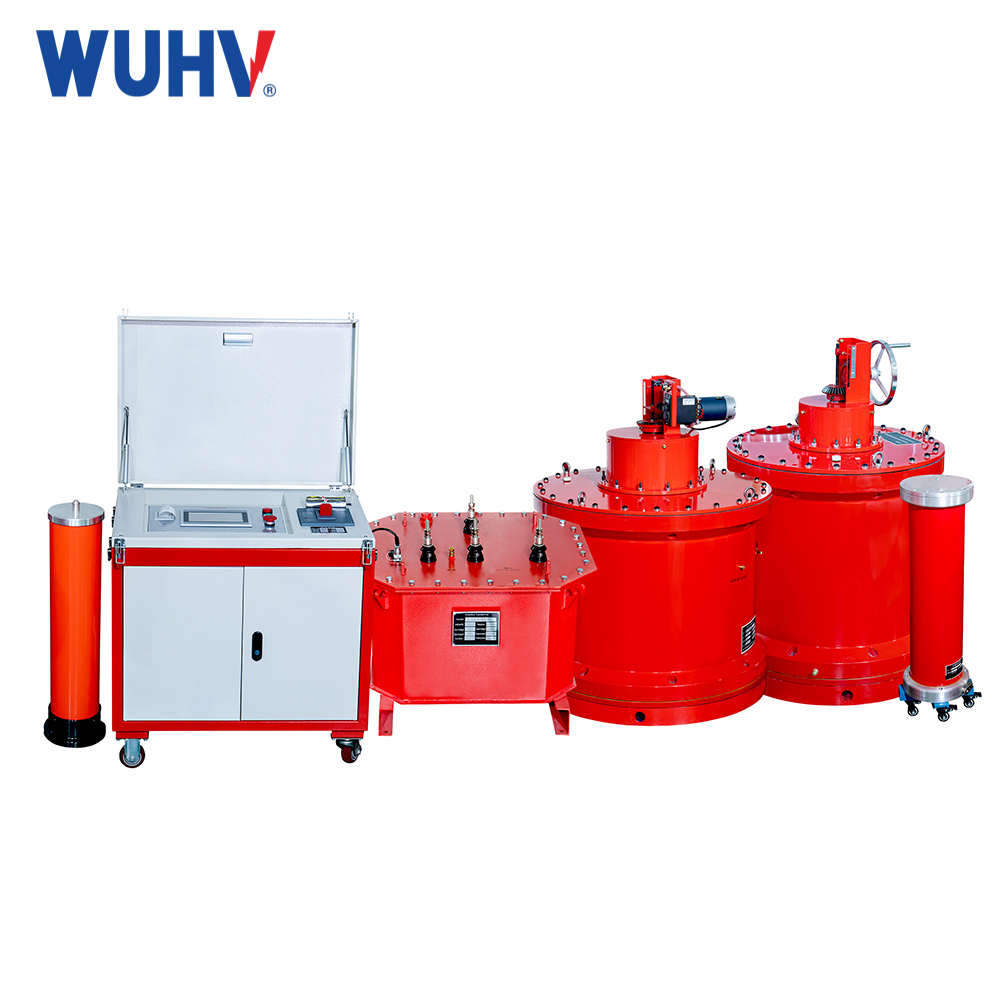
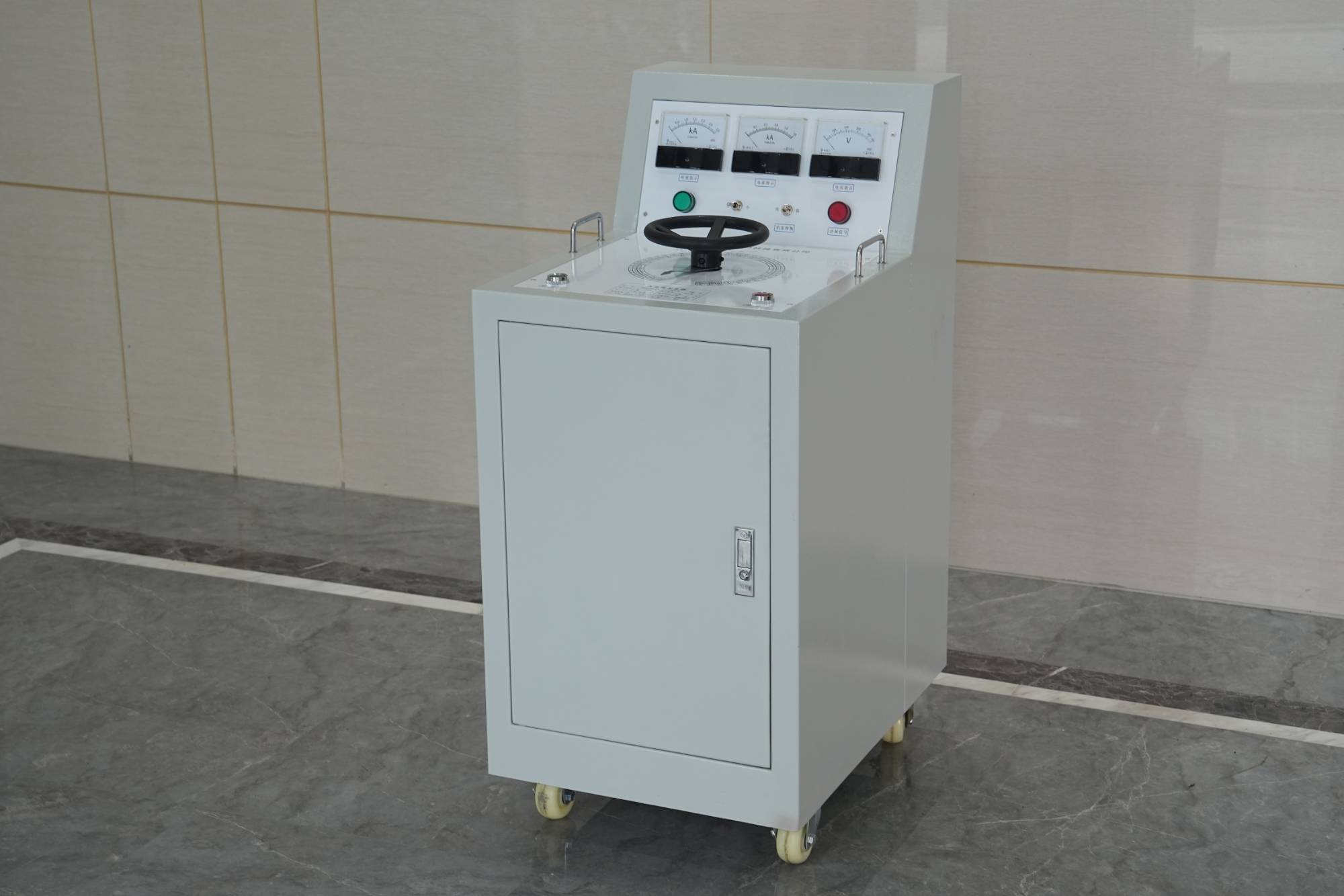
The Primary Current Injection Test Set is a commonly used testing equipment in power system relay protection and electrical equipment testing. It is mainly used to inject a large test current into the primary circuit of the tested equipment to verify the performance of current transformers, circuit breakers, relay protection devices, and related electrical connections. By simulating high current operating conditions in actual operation, it is possible to check whether the equipment is functioning properly, determine whether the protection circuit is reliable, and provide a basis for the safe operation of the power system.
With the increasing demand for testing of substations, power engineering, industrial distribution systems, and large electrical equipment, there are also more and more models and configurations of primary current injection testers on the market. Different devices have differences in output current, output capacity, testing time, and control methods. When purchasing, we cannot only focus on the maximum output current, but also need to choose based on the actual test object and usage environment.
1、 Determine the device type based on the test object
Before selecting a primary current injection tester, it is necessary to first clarify which testing items the equipment is mainly used for.
If mainly used for testing low-voltage circuit breakers, it is necessary to pay attention to whether the equipment can provide sufficient output current to verify the instantaneous tripping, short delay tripping, and overcurrent protection functions of the circuit breaker.
If used for current transformer (CT) testing, it is necessary to consider the primary side current injection capability and whether the equipment can meet the testing requirements for current transformer ratio, polarity, and related circuit checks.
For relay protection systems, it is usually necessary to check the overall operation of the circuit from the current transformer to the protection device and then to the circuit breaker tripping circuit through a large current injection to ensure that each link is coordinated properly.
In addition, in the detection of busbars, cable connections, switchgear, and other high current conductive circuits, a one-time current injection tester can also be used to check the operation status of the connection parts and circuits.
Therefore, before procurement, the main testing objects, testing current range, and specific testing items should be clearly defined to avoid equipment functionality not matching on-site requirements.
2、 Focus on the output current range
The output current is an important parameter for measuring the performance of a primary current injection tester, and it is also a key factor to consider when selecting.
There are significant differences in the testing current required for different electrical equipment. Some low-voltage circuit breakers only require a small range of current injection, while large circuit breakers, busbar systems, and other high current equipment may require testing currents of thousands of amperes or even higher.
When selecting equipment, the required output current should be determined based on the rated current, protection setting value, and testing standards of the tested equipment. At the same time, it is also necessary to understand whether the device can maintain stable output under different load conditions.
It should be noted that the maximum output current indicated by the device does not necessarily mean that it can continuously output this current for a long time. For projects that require long-term overload testing, it is also important to focus on understanding the equipment's continuous operating time and thermal capacity.
3、 Output capacity and load capacity cannot be ignored
A primary current injection tester usually needs to provide a large current to a low impedance circuit, so the output capacity and load capacity directly affect the actual performance of the equipment.
Under the same output current conditions, if the impedance of the test circuit is large, the equipment needs to provide higher output voltage and capacity to meet the testing requirements.
When purchasing, the impedance of the testing circuit, the length of the connecting wires, and the contact conditions should be taken into account to confirm whether the output voltage and capacity of the equipment are sufficient.
For large circuit breakers, long-distance connected circuits, and on-site projects that require large test currents, special attention should be paid to the output capability of the equipment under actual load conditions, rather than solely judging performance based on no-load parameters.
4、 Choose the appropriate control method
At present, the primary current injection tester mainly has different configurations such as manual control and automatic control.
Manual control devices typically have a relatively simple structure and intuitive operation, making them suitable for routine current injection testing and projects with limited budgets. Operators can adjust the output current according to testing needs and observe relevant instrument data.
Automatic control equipment is usually equipped with a digital control system, which can achieve functions such as current regulation, parameter display, testing process control, and data recording. Some models also support computer connection, remote operation, and test data export.
If the equipment is mainly used in laboratories, testing institutions, or power engineering projects that require frequent testing, highly automated equipment can reduce manual operations and improve testing efficiency.
5、 Focus on testing accuracy and data measurement functionality
The accuracy of test results directly affects the performance evaluation of electrical equipment. Therefore, when choosing a primary current injection tester, it is also necessary to understand its current measurement accuracy, display resolution, and measurement stability.
For projects that require verification of circuit breaker trip characteristics, in addition to output current, attention should also be paid to whether the testing equipment has timing function and can accurately record the action time of the tested equipment.
Some devices can simultaneously display parameters such as output current, voltage, and test time, and support data storage, making it convenient for technicians to compare different test results.
If the testing work involves third-party testing, equipment acceptance, or regular preventive testing, it is recommended to choose equipment with complete measurement functions, clear parameter display, and calibration conditions.
6、 Consider the portability and on-site adaptability of the equipment
The larger the output capability of a primary current injection tester, the higher the capacity of the power supply system and the more complete the heat dissipation structure that the equipment usually needs to be equipped with. Therefore, the weight and volume of the equipment may also increase accordingly.
If mainly used in substations, distribution rooms, and industrial sites, consideration should be given to whether the equipment is convenient for transportation, installation, and operation in narrow spaces.
For inspection teams that require frequent movement, compact structures, equipment with moving rollers, or devices that are easy to disassemble and assemble can be prioritized.
If it is mainly used for fixed laboratories or large equipment manufacturing factories, fixed equipment with larger volume and higher output capacity can be selected based on testing capabilities.
In addition, the equipment should also have necessary overcurrent, overheating, and other protective functions to ensure the safety of personnel and equipment during high current testing.
7、 Understand the application scope and scalability of the device
A practical primary current injection tester should not only meet current detection requirements, but also consider changes in future testing projects.
For example, some devices can be used for testing low-voltage circuit breakers, primary current injection of current transformers, inspection of relay protection circuits, and detection of high current conductive connection circuits.
If the enterprise undertakes substation maintenance, electrical equipment production, and power engineering testing at the same time, it is recommended to choose equipment with a wide output current range and flexible functional configuration.
For users with special testing requirements, they can also make customized requests to the manufacturer, such as special output currents, power configurations for different voltage levels, automatic control systems, and data communication functions.
8、 Choose equipment suppliers with professional technical support
The primary current injection tester belongs to high current electrical testing equipment, and the equipment design, manufacturing process, and factory testing will all affect the actual use effect.
When purchasing, in addition to comparing product parameters, it is also necessary to understand whether the supplier has production experience in relevant power testing equipment and whether they can recommend suitable models based on the testing objects and technical requirements provided by the user.
At the same time, it is necessary to pay attention to whether the product has undergone factory inspection, whether complete technical data, operating instructions, and necessary calibration support have been provided.
For overseas buyers, it is also important to understand the supplier's export experience, product packaging, delivery time, after-sales service, and technical communication skills. A reliable supplier should not only be able to provide equipment that meets the requirements, but also be able to provide corresponding support during equipment installation, operation, and later maintenance.
Choosing a primary current injection tester requires comprehensive consideration from multiple aspects such as the test object, output current, output capacity, load capacity, control mode, measurement accuracy, and on-site usage conditions. For power companies, substations, electrical equipment manufacturers, and third-party testing agencies, suitable equipment can not only meet daily high current testing needs, but also improve testing efficiency and help technicians discover potential problems in electrical equipment and protection circuits in a timely manner.
During the procurement process, it is recommended that users provide the manufacturer with specific information such as the test object, maximum required output current, load impedance, and testing time, and have professional technicians determine the equipment configuration. Only by combining practical application requirements with equipment technical parameters can we choose a truly suitable primary current injection tester for our own project.