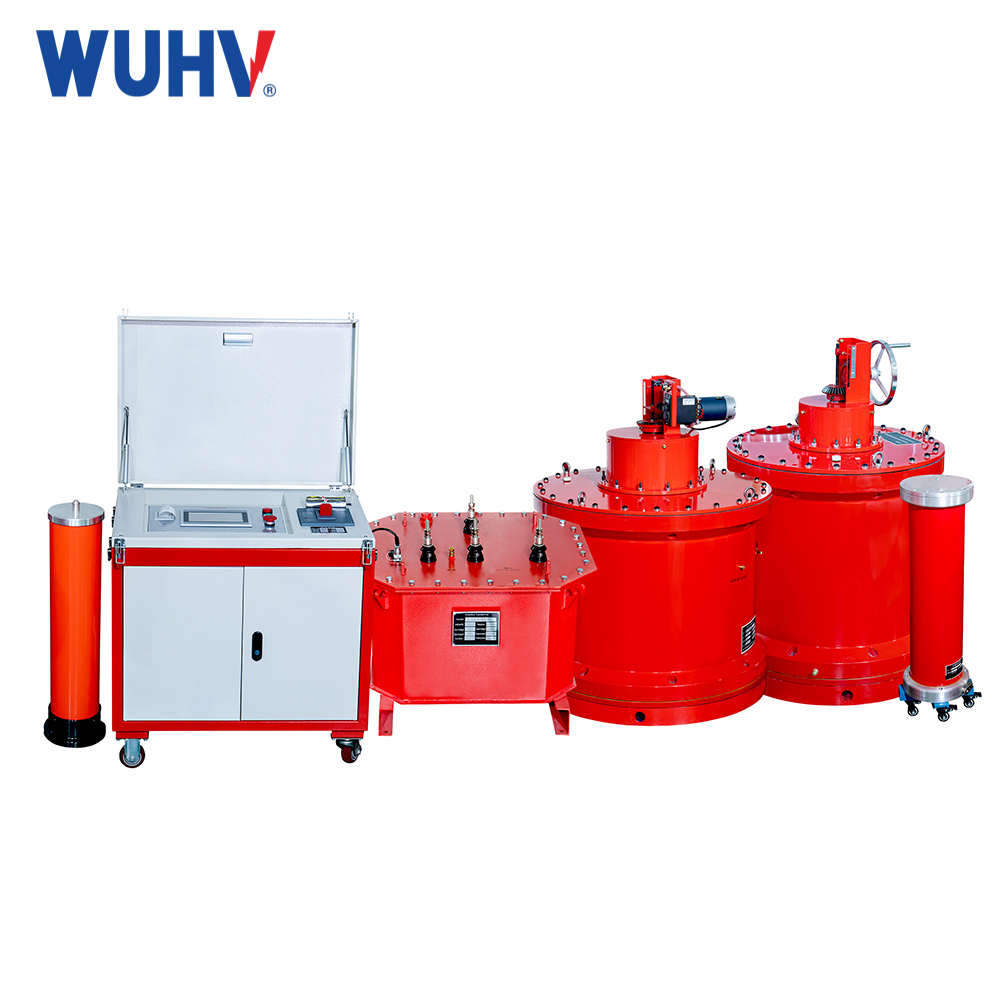
In the installation, commissioning, and preventive testing of power systems, both primary and secondary injection tests are important means of relay protection and electrical equipment detection. Although both testing methods can be used to check the working status of the protection system, there are significant differences in testing principles, wiring methods, equipment selection, and scope of application.
For substations, power maintenance units, switchgear manufacturers, and electrical testing service organizations, selecting appropriate primary or secondary injection testing equipment not only affects testing efficiency, but also directly affects the accuracy of protection system detection results.
Wuhan UHV Power Technology provides a variety of power testing equipment, covering relay protection testing, transformer detection, circuit breaker testing, and related testing fields such as primary current injection. Understanding the differences between the two testing methods can help configure appropriate equipment based on actual testing needs.
Working principle of primary injection test and secondary injection test
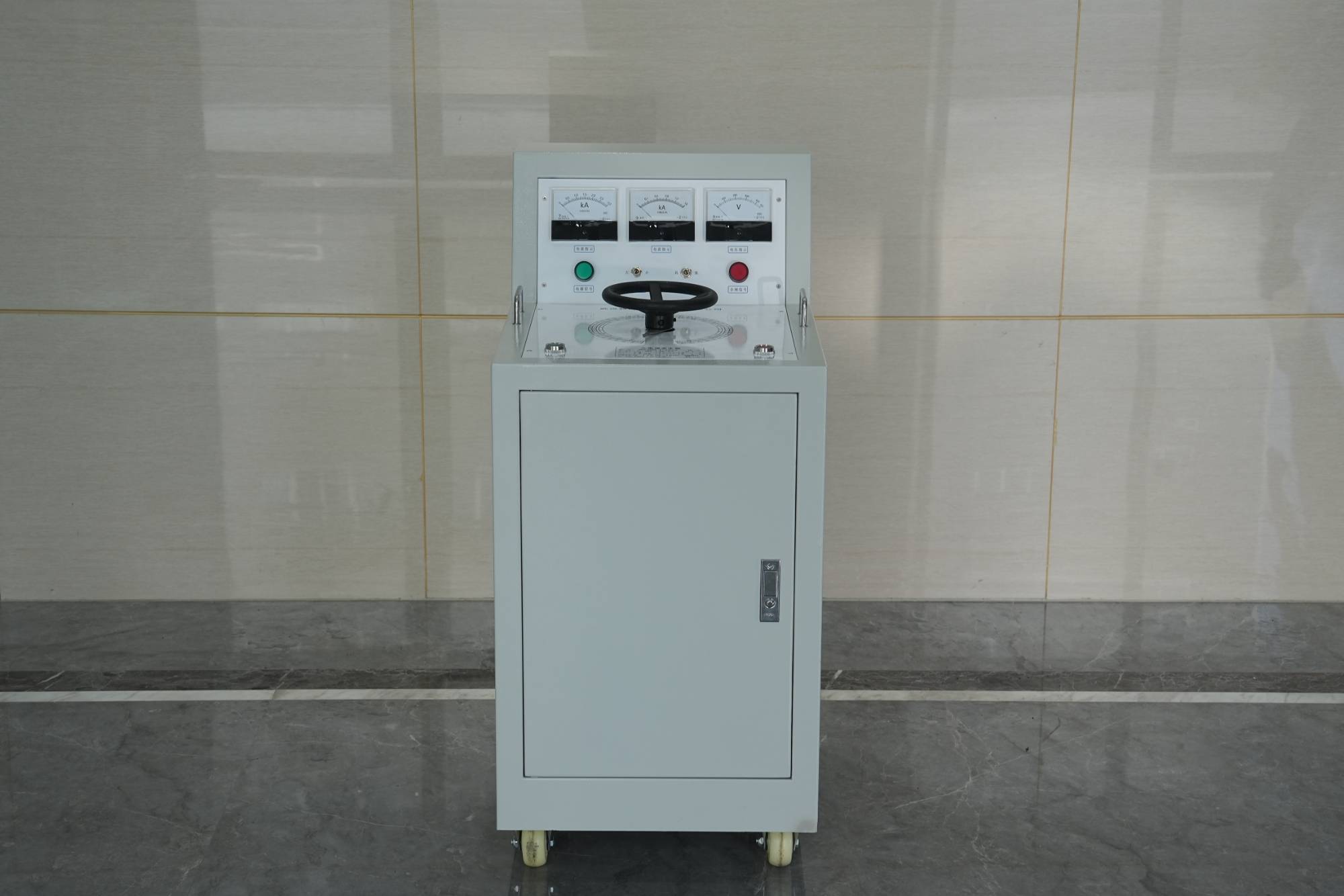
Primary Injection Test is a test in which a large test current is directly injected into the primary circuit of electrical equipment, such as circuit breakers, busbars, CT primary side, and related connecting conductors, to check the operation of current transformers, protection circuits, and related equipment through the flow of actual current in the primary circuit.
This method can simulate the primary current conditions during equipment operation and verify the overall working status of the relevant links from the primary conductor to the protective device. Due to the large testing current, a dedicated high current generator or a one-time current injection testing device is usually required.
The secondary injection test is to directly input simulated current or voltage into the secondary side of the relay protection device, and output adjustable current and voltage signals through the testing device to check whether the measurement, logical judgment, setting value, and action response of the protection device meet the requirements.
Secondary injection does not require the generation of large currents in the primary circuit, therefore it is widely used in the debugging, calibration, and functional testing of protection devices.
What are the main differences between primary injection and secondary injection?
The biggest difference between a primary injection and a second injection is that the input position of the test signal is different.
Primary injection focuses on checking the primary circuit and its related protection links, which can verify whether the current transformer ratio, polarity, secondary wiring, and protection device current sampling are correct. For the comprehensive inspection of newly built substations, switchgear operation, and electrical equipment maintenance, one-time injection has high practical value.
The secondary injection mainly targets the relay protection device itself, by simulating the current and voltage signals under different fault conditions, to check whether the protection device operates according to the preset action characteristics. It is suitable for testing functions such as overcurrent protection, differential protection, distance protection, and zero sequence protection.
It should be noted that secondary injection usually cannot independently verify the correctness of CT primary side wiring, actual transformer ratio, and complete primary to secondary circuit, and primary injection cannot completely replace all functions and logic testing of relay protection devices. Both methods have their own emphasis and often need to be used in conjunction during the complete commissioning acceptance.
What equipment should be selected for primary injection testing?
If the focus of the testing work is on high current testing of the primary circuit, priority should be given to injecting current into the equipment.
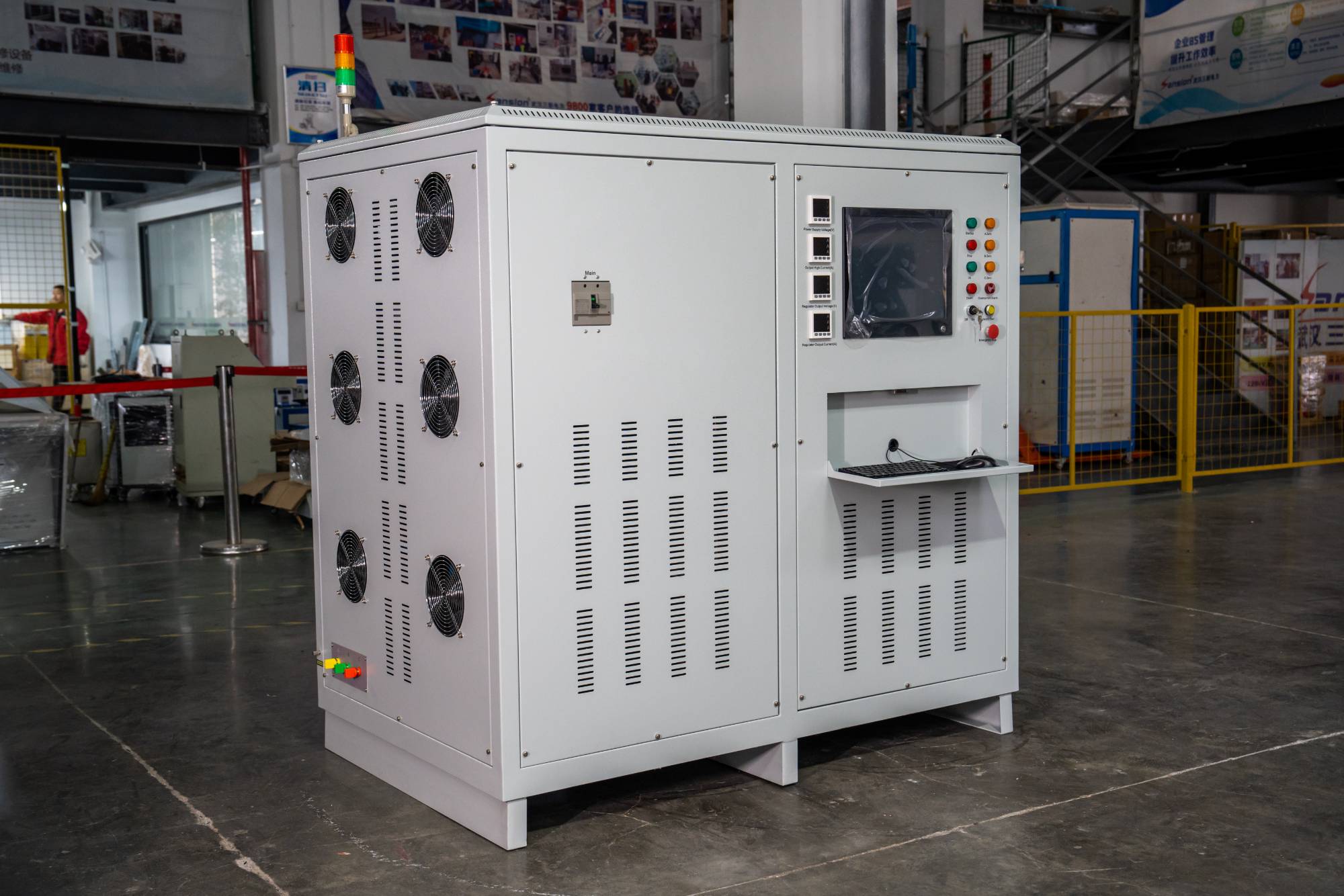
The DDG series high current generator of Wuhan UHV is a device suitable for such testing requirements. This series of products is mainly used in power plants, substations, electrical manufacturing plants, and research laboratories that require high current output.
The DDG series high current generator adopts an autotransformer regulation method, which has the characteristics of stable current regulation, monitoring of large and small range ammeters, and integrated or split structure, making it convenient to use according to different site conditions.
For projects that require long-term or continuous load testing, the DDL series fully automatic temperature rise testing device can also be considered based on actual testing requirements. This series of equipment is mainly designed for current load and temperature rise testing of switches, current transformers, and other electrical equipment, with a different emphasis from the use of ordinary short-term high current generators.
What equipment should be selected for secondary injection testing?
If the main task is the debugging, verification, and functional validation of relay protection devices, then a microcomputer relay protection tester is usually a more suitable choice.
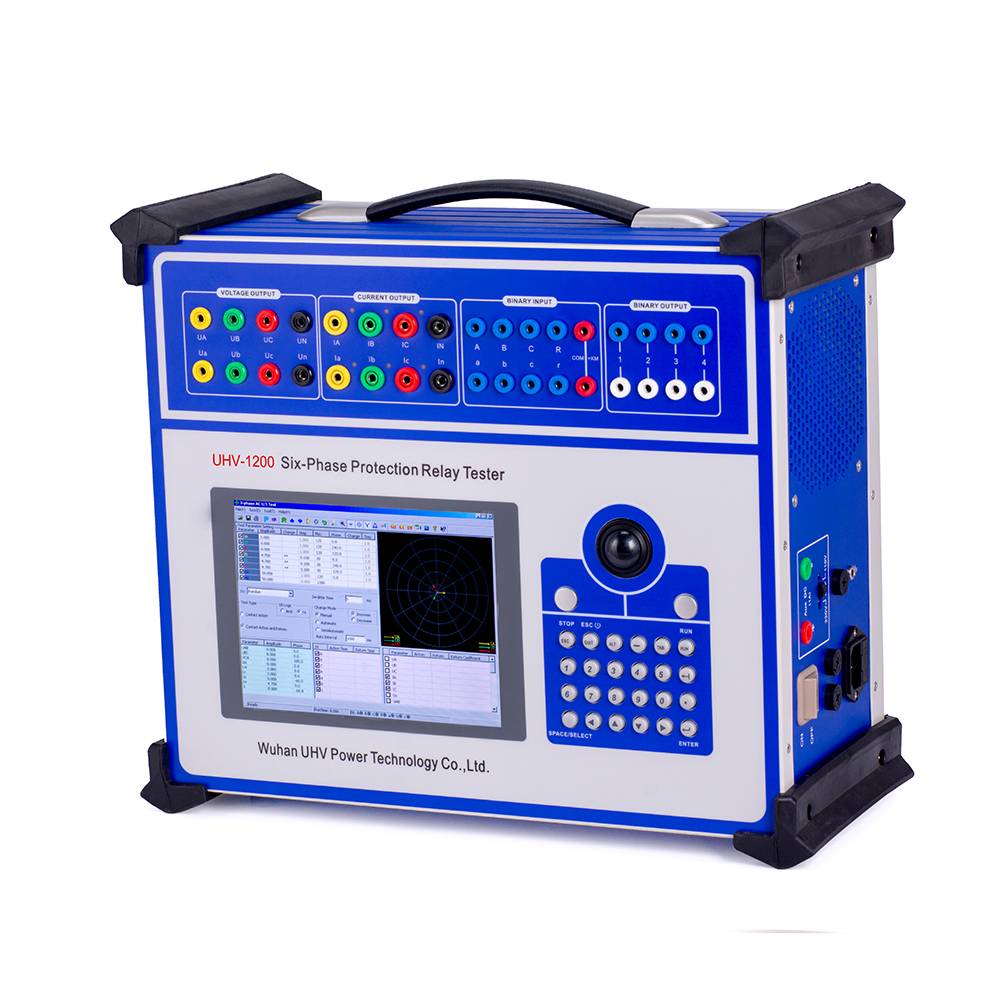
Wuhan UHV provides microcomputer relay protection testing equipment such as UHV-702, UHV-802, and UHV-1200, which can be selected according to different testing needs.
Taking the UHV-802 microcomputer relay protection tester as an example, the equipment is designed with an industrial control model and has 4-phase voltage and 3-phase current output. It can simulate various power system fault conditions and is used for testing and verifying relay protection devices. The device supports standalone operation and external computer online operation, which can meet the testing needs of various protection functions.
For power maintenance units and substations that require multiple relay protection tests, selecting relay protection testers with output channels, output capacities, and testing functions that meet the requirements can reduce the frequency of equipment replacement between different protection projects.
Can the same device be used for both primary and secondary injections?
This is a common issue in the equipment procurement process.
In general, two types of experiments require different types of equipment. The first injection requires a power supply device that can output a large current, while the second injection requires a relay protection testing device that can output controllable current and voltage signals and simulate fault states.
The output capabilities, wiring methods, and test objects of the two are different, and it is not possible to simply replace a high current generator with a regular relay protection tester, nor can a high current generator replace a microcomputer relay protection tester to complete all protection function tests.
If the user's scope of work includes both primary equipment and relay protection devices, then the DDG series high current generator and UHV series microcomputer relay protection tester can be considered for configuration.
In addition, if it is necessary to test the transformation ratio, polarity, volt ampere characteristics and other items of current transformers, UHV-103, UHV-105A and other transformer comprehensive characteristic testers can be further configured. This can cover more detection requirements related to current transformers and protection circuits.
What other factors should be considered when selecting testing equipment?
1. Clearly define the test object
Before procurement, it should be determined whether the main testing objects are circuit breakers, current transformers, relay protection devices, or complete protection circuits. Different experimental methods correspond to different objects, and equipment selection should not be confused.
2. Pay attention to the current output capability
The injection equipment needs to focus on the rated output current, output capacity, load capacity, and allowable working time. The output capability of different devices varies, and the model should be determined based on the actual test current of the tested device.
The secondary injection equipment needs to pay attention to the current and voltage output channels, output accuracy, waveform control capability, and testing function.
3. Consider the on-site usage conditions
If it is necessary to conduct tests frequently at substations or outdoor sites, the volume, weight, wiring convenience, and operational safety of the equipment are all worth paying attention to. For users with multiple experimental projects, consideration should also be given to whether the equipment supports automatic testing, data storage, and report management.
4. Emphasize equipment configuration and after-sales service
The testing requirements for different power projects are not exactly the same. In addition to comparing equipment parameters during procurement, it is also necessary to confirm whether the manufacturer can provide reasonable configuration suggestions, operational guidance, and subsequent technical support based on actual applications.
Primary injection and secondary injection are not two interchangeable testing methods, but rather technical means with different focuses in power equipment testing.
If the focus is on high current injection in the primary circuit, current testing related to circuit breakers and current transformers, the DDG series high current generator can be given priority consideration; If the main focus is on verifying the operating characteristics, protection logic, and setting values of relay protection devices, the UHV series microcomputer relay protection tester should be selected.
For units that require complete electrical equipment handover testing, preventive testing, and protection system debugging, a reasonable combination of primary injection equipment, secondary injection equipment, and transformer testing equipment is often more suitable for long-term work needs than purchasing a single instrument separately.
Wuhan UHV can provide corresponding recommendations for selecting power testing equipment based on the user's test object, current level, testing items, and on-site usage conditions, helping users establish a more reasonable test equipment configuration plan.