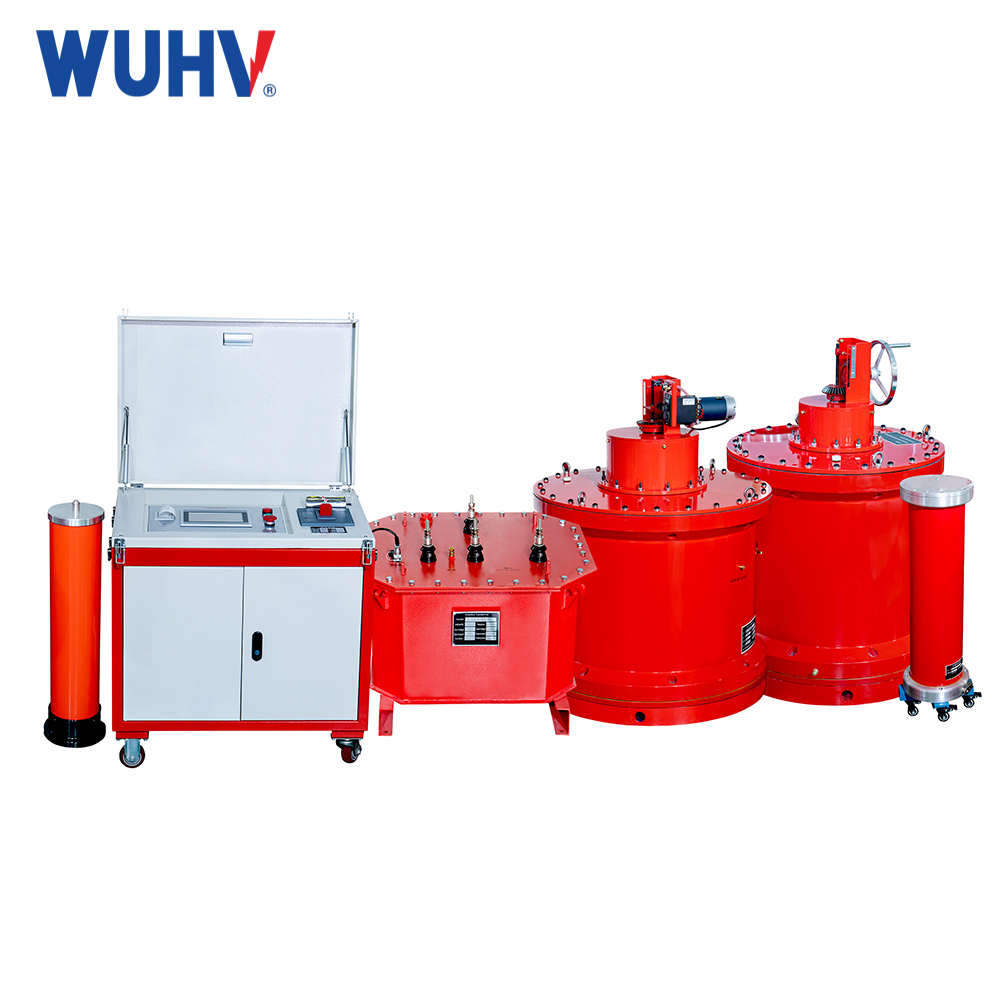
The DC high-voltage generator under Wuhan UHV can help many power workers conduct various power tests more conveniently.
In the preventive testing, handover testing, and fault maintenance of high-voltage equipment in the power system, insulation performance testing is the core link to determine the reliability of electrical equipment operation, directly avoiding risks such as equipment insulation breakdown, power grid short circuits, and power outages. As the core method of high-voltage insulation testing, DC withstand voltage test has unique advantages compared to AC withstand voltage test, such as low test loss, lightweight equipment, strong pertinence, and the ability to accurately capture leakage current defects. The DC high-voltage generator is a specialized core equipment for conducting DC withstand voltage tests and accurately measuring microampere leakage currents. It is widely suitable for testing various high-voltage equipment such as high-voltage cables, lightning arresters, switchgear, transformers, capacitors, etc. It is an indispensable professional equipment for power operation, maintenance, and testing personnel, and is crucial for ensuring the safe and stable operation of power grid equipment.
1、 Working principle and core advantages of DC high-voltage generator
The DC high voltage generator is a high-precision portable testing equipment specially developed for high voltage insulation testing. Its core relies on high-frequency inverter technology, multi-stage voltage doubling rectification technology, and closed-loop voltage stabilization control system operation. The equipment converts AC mains power into high-frequency AC voltage through an internal inverter module, which is then boosted by a step-up transformer, rectified and filtered by a multi-stage voltage doubler, and finally outputs a continuously adjustable and extremely low ripple pure DC high voltage. At the same time, it is equipped with a high-precision microampere current sampling unit to collect real-time leakage current data of the tested equipment, intuitively reflecting the insulation quality of the equipment.
In the high-voltage test scenario, the equipment mainly undertakes two core functions: first, DC withstand voltage test, which simulates extreme operating conditions of the equipment by applying DC high voltage higher than the rated operating voltage of the equipment, tests the insulation layer withstand capacity, and identifies hidden insulation weak points; The second is leakage current testing, which accurately captures small leakage currents to determine hidden defects such as equipment insulation moisture, aging, dirt, and local damage.
Compared to traditional AC voltage resistant equipment, its core advantages are very prominent: the overall lightweight and split design of the equipment facilitates outdoor, high-altitude, and remote on-site transportation operations; The experimental process does not damage the insulation layer of the equipment and can achieve non-destructive testing; Can accurately distinguish between overall insulation defects and localized concentrated defects, with higher detection sensitivity; Suitable for capacitive and inductive high-voltage test samples, with a wider range of scene adaptability, fully meeting the requirements of various national standard test specifications in the power industry.
2、 Core performance indicators that determine the quality of direct high incidence testing
The performance parameters of a DC high-voltage generator directly determine the accuracy of test data and the safety of on-site operations. Poor quality equipment is prone to voltage instability, excessive ripple, current sampling distortion, protection failure, and other problems, leading to defect omission, misjudgment, and even test safety accidents. On site selection and equipment verification should focus on five core indicators:
1. Measurement accuracy of leakage current: Leakage current is the core basis for determining insulation defects, and most equipment insulation hazards are only reflected in microampere level current changes. The equipment needs to support microampere level high-precision sampling, high current measurement resolution, strong anti-interference ability, and be able to accurately capture weak current changes, accurately screen early hidden insulation defects.
2. Boost control performance: Supports manual fine boost and fully automatic intelligent boost dual modes, with uniform and controllable boost rate. The boost speed can be adjusted according to the characteristics of different test samples, eliminating the problems of sample breakdown and equipment overload caused by rapid boost, and adapting to various standardized test processes.
3. Fault response and protection speed: Equipped with a millisecond level high-speed protection system, it has comprehensive protection functions such as zero start, overvoltage self-locking, overcurrent protection, flashover protection, grounding abnormality protection, overheating shutdown, etc. It can quickly de resonate and reduce voltage, shut down and cut off power in the event of a fault, ensuring the safety of personnel and equipment in all aspects.
3、 Mainstream application scenarios and experimental value of DC high-voltage generators
Relying on the advantages of high precision, high safety, and strong adaptability, DC high-voltage generators cover all scenarios of power equipment factory testing, commissioning handover, annual pre testing, and fault diagnosis. The core application value is reflected in four major fields:
1. Special testing of zinc oxide lightning arrester: Lightning arrester is the core equipment for overvoltage protection in the power grid. Insulation aging and valve plate degradation can lead to protection failure. By conducting 0.75 times the reference voltage test and leakage current test through direct high frequency, the performance and insulation status of lightning arrester valve plates can be accurately determined, and aging, moisture, and deterioration defects can be screened to prevent lightning arrester refusal or misoperation from causing power grid accidents.
2. Insulation test of high-voltage power cables: Long distance high-voltage cables running underground for a long time are prone to hidden dangers such as insulation moisture, interlayer defects, and local damage. The DC withstand voltage test can accurately identify hidden insulation faults in cables, and combined with the trend of leakage current changes, determine the degree of insulation aging in cables, providing data support for cable operation, repair, and replacement.
3. Pre testing of high-voltage primary equipment: widely used for insulation testing of transformers, high-voltage switchgear, insulators, high-voltage capacitors and other equipment, effectively detecting surface dirt, internal moisture, insulation cracking, partial discharge and other defects, eliminating insulation hazards in advance, and ensuring long-term stable operation of high-voltage equipment.
4. Fault tracing and hidden danger investigation: In response to sudden tripping of the power grid, abnormal heating of equipment, insulation alarms and other faults, through joint testing of DC withstand voltage and leakage current, the cause of the fault can be quickly identified, the insulation damage point can be accurately located, providing scientific basis for fault repair and equipment technological transformation, and greatly improving the efficiency of operation and maintenance.
4、 On site testing of high-frequency faults and precise disposal solutions
In long-term on-site tests, DC high-voltage generators are prone to high-frequency faults such as voltage failure, unstable voltage, abnormal fluctuations in leakage current, and frequent protection shutdowns. Accurate traceability and standardized disposal are necessary to ensure the smooth progress of the test
1. The equipment cannot be boosted and there is no high voltage output when turned on: the core causes are often poor grounding, failure to return to zero position, virtual connection of the circuit, and short circuit of the test sample. During disposal, priority should be given to checking whether the dedicated grounding wire of the equipment is secure, whether the grounding resistance meets the standard, and confirming that the voltage regulating knob returns to zero position; Check if the high-voltage output line and shielding line are damaged or disconnected; Check whether there is a short circuit or severe moisture problem with the test sample, eliminate the fault, and restart the test.
2. Voltage jitter and numerical drift during the boosting process: mainly due to interference from the test environment, improper placement of high-voltage leads, and the influence of stray electric fields on site. It is necessary to standardize the layout of high-voltage leads to avoid long leads, dragging the ground, and being close to metal components; Clean up conductive debris at the test site and keep away from strong electromagnetic interference equipment; Maintain a dry and condensation free testing environment to prevent voltage fluctuations caused by environmental factors.
3. Abnormal and fluctuating leakage current values are often caused by dirty and damp surfaces of the test sample, incorrect shielding wiring, and high environmental humidity. Clean the surface dust, stains, and water vapor of the tested equipment, optimize the shielding wiring method, and reduce surface leakage interference; Control the humidity of the testing environment, and if necessary, use drying equipment to process the test samples to eliminate the hidden danger of false exceedance.
4. Frequent tripping protection during the experiment: divided into two categories: equipment failure and test sample failure. Insulation breakdown and local flashover of the test sample will trigger the protection shutdown, which belongs to the normal hidden danger investigation; If there are no abnormalities in the test sample, it is highly likely that the equipment is overheated, the circuit is leaking electricity, and the internal components are aging. It is necessary to shut down the equipment for cooling, check the insulation of the circuit, and troubleshoot the equipment itself before resuming operation.
5、 Equipment full cycle standardized operation, maintenance, and testing quality improvement techniques
Standardized operation and maintenance management, as well as standardized operations, are key to ensuring the long-term accurate and stable operation of DC high-voltage generators. They can effectively extend the service life of equipment, avoid testing errors and safety hazards
1. Standardization verification before testing: Conduct a comprehensive inspection of the equipment status before each operation to confirm that the insulation surface of the double pressure cylinder is free of damage, stains, and condensation; Control lines and high-voltage lines have no aging or cracking, and joints have no oxidation or loosening; The grounding system is intact and firm, and testing with faulty equipment is strictly prohibited.
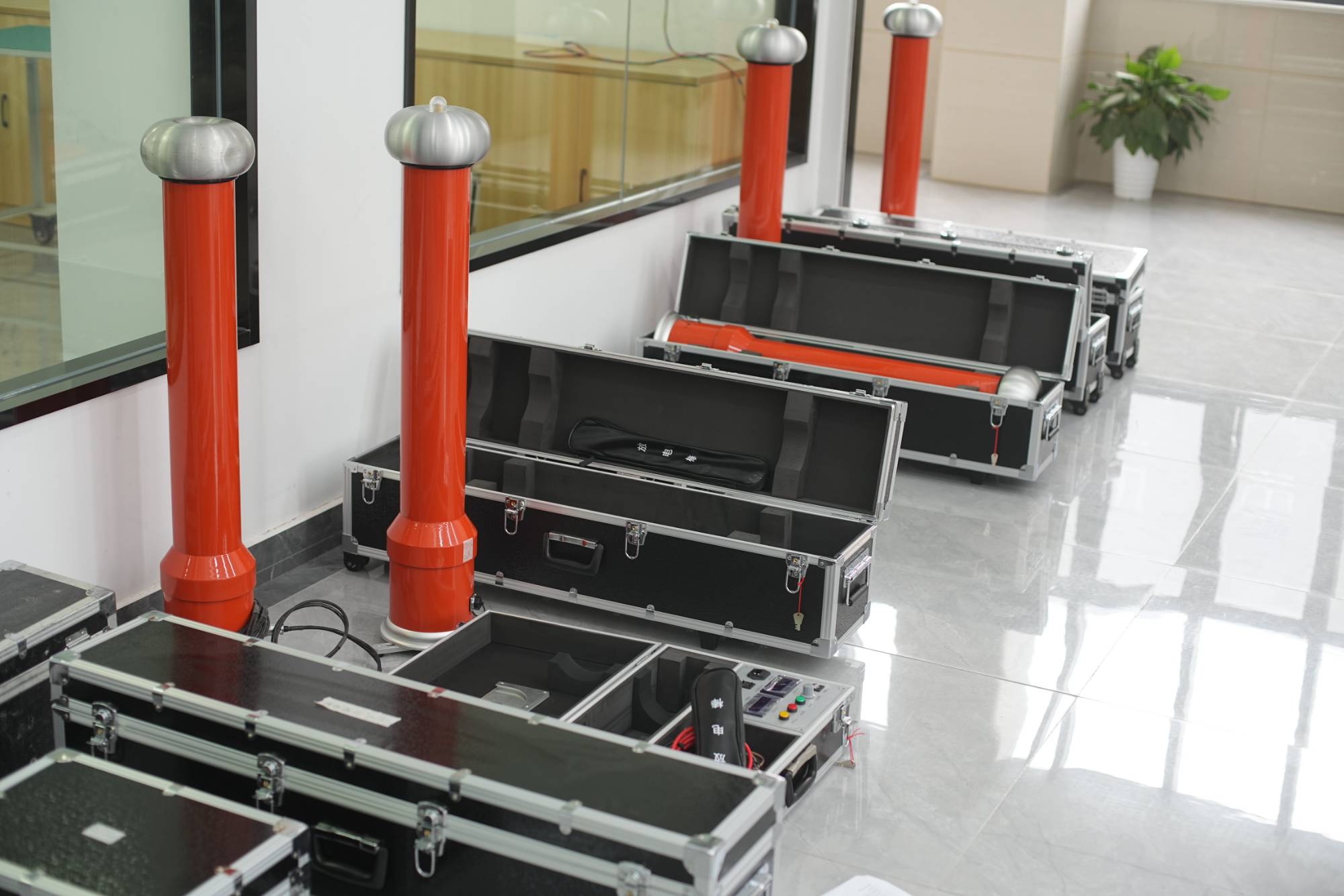
2. Standardized operation control during the experiment: strictly set the voltage and withstand voltage duration according to the test standards, gradually increase the voltage at a constant speed, and strictly prohibit rapid voltage increase and overvoltage overload tests; After the completion of the high-capacity capacitive test, a dedicated discharge rod must be used to fully and repeatedly discharge, release residual high voltage, and eliminate potential safety hazards of electric shock.
3. Cleaning, storage, and maintenance after the experiment: After completing the task, thoroughly clean the dust, stains, and moisture on the surface of the equipment, and dry the insulation parts of the double pressure cylinder; Organize various types of cables in an orderly manner to avoid compression and bending; The equipment is stored in a dedicated warehouse that is dry, ventilated, temperature controlled, and free of corrosive gases to prevent insulation aging and moisture.
4. Regular calibration and in-depth maintenance: Conduct professional metrological calibration every 12 months to ensure that voltage and current accuracy meet national standard requirements; Conduct in-depth maintenance every six months to check the functions of the inverter module, sampling unit, and protection system, promptly identify hidden faults, and ensure stable equipment performance.
Frequently Asked Questions (FAQ)
Q1: High voltage cables are capacitive equipment, and AC withstand voltage testing requires matching with high-capacity testing equipment. The equipment is bulky, the operation is cumbersome, and it is easy to damage the cable insulation; The DC high-voltage test does not require a large capacity power supply, the equipment is lightweight, and the test process does not accumulate damage to the cable insulation. It can accurately capture hidden defects and leakage current anomalies inside the cable, making the detection more targeted and suitable for on-site operation and maintenance.
Q2: If the leakage current is too high during the experiment, is it necessarily due to equipment insulation failure?
A2: Not necessarily. Excessive leakage current can be classified into true faults and false faults. Moisture, aging, and damage to the internal insulation of the equipment are true defects; The surface leakage caused by dirty surface, high environmental humidity, non-standard wiring, and poor shielding of the test sample belongs to false exceedance. It is necessary to clean the equipment, optimize the working conditions, and retest to accurately distinguish the type of fault and avoid misjudgment.
Q3: How to standardize the setting of test parameters for equipment with different voltage levels?
A3: It is necessary to strictly follow the national standard specifications for power preventive testing, and match the corresponding test voltage and withstand voltage duration according to the equipment type and rated voltage. Conventional 10kV, 35kV, 110kV, and 220kV equipment all have dedicated testing standards, and unified parameter testing is strictly prohibited to prevent hidden dangers caused by low parameters and damage to equipment insulation caused by high parameters.