

Product Introduction
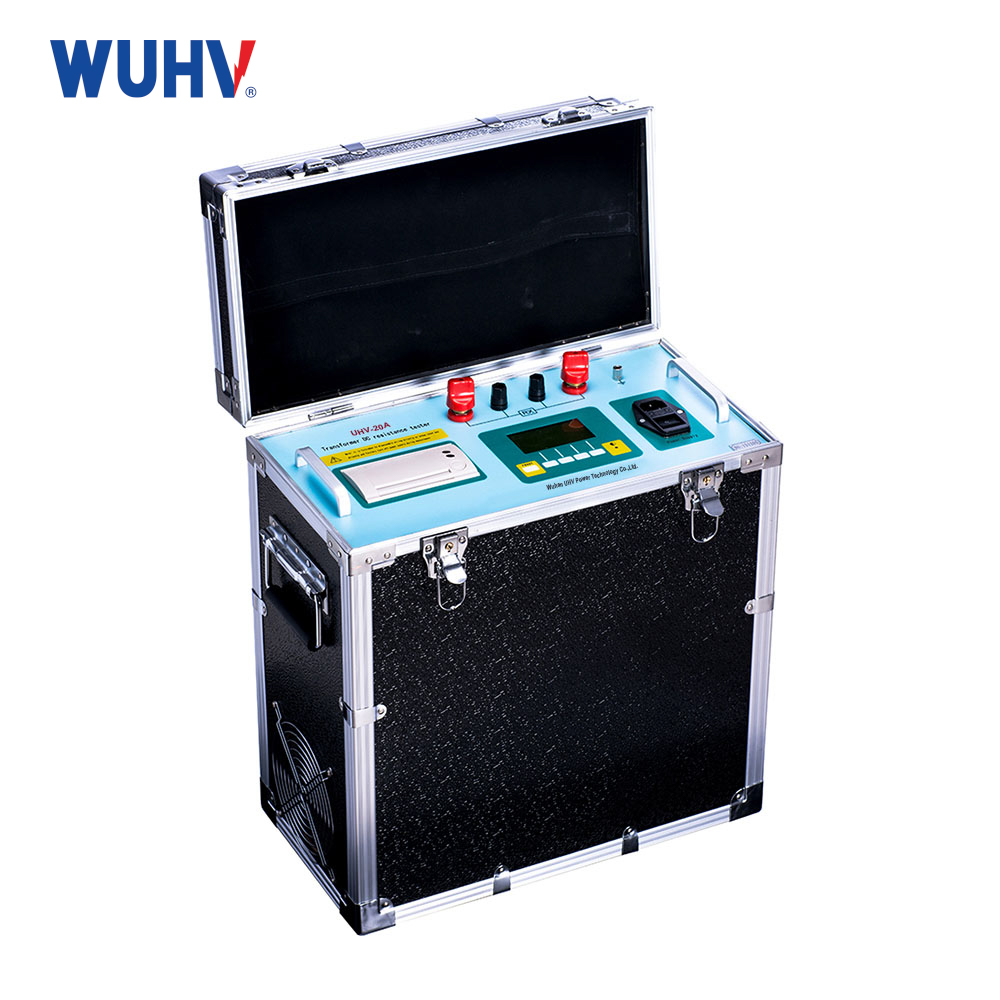
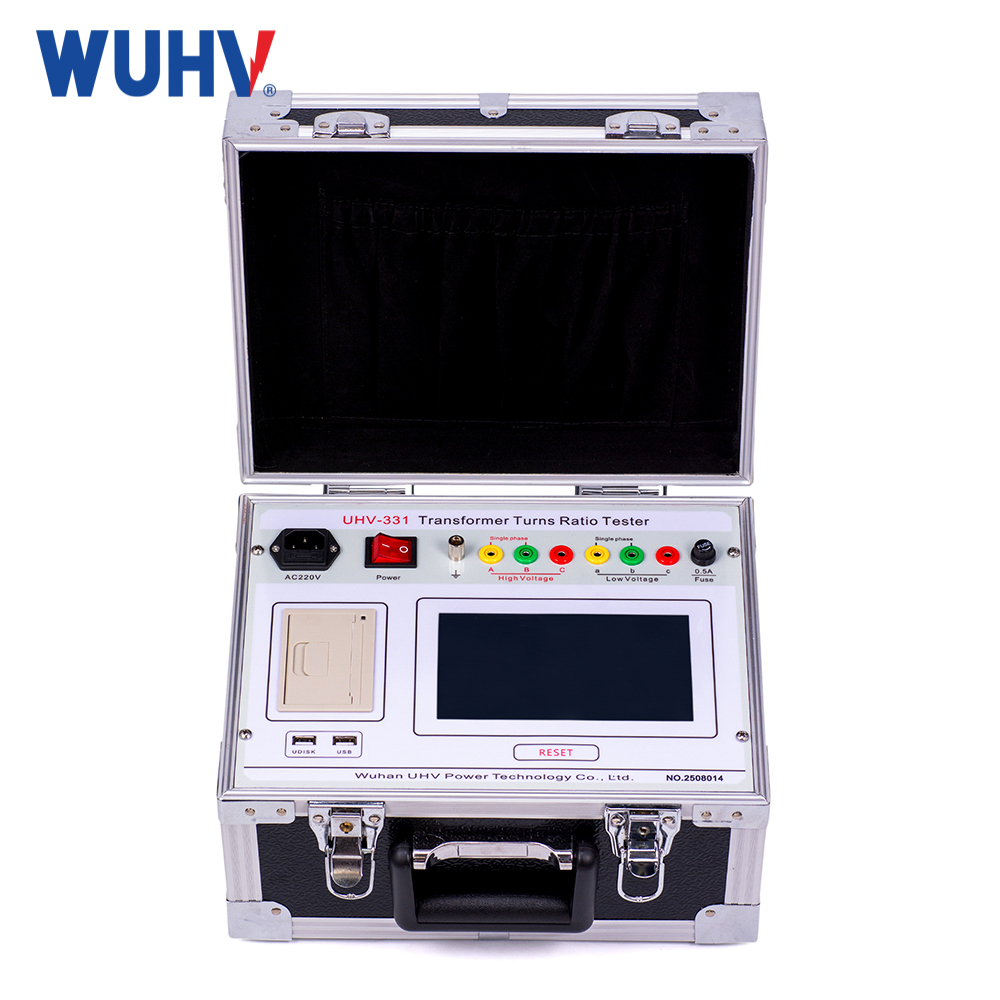
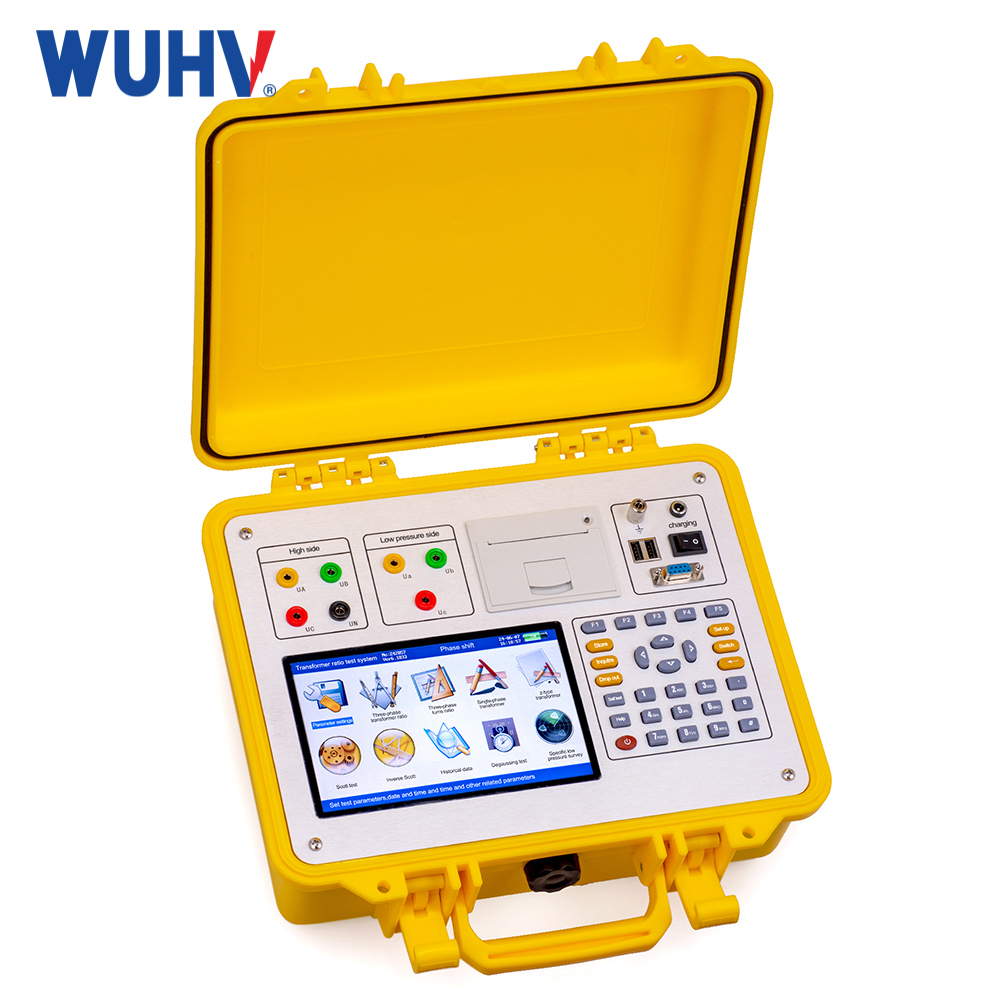
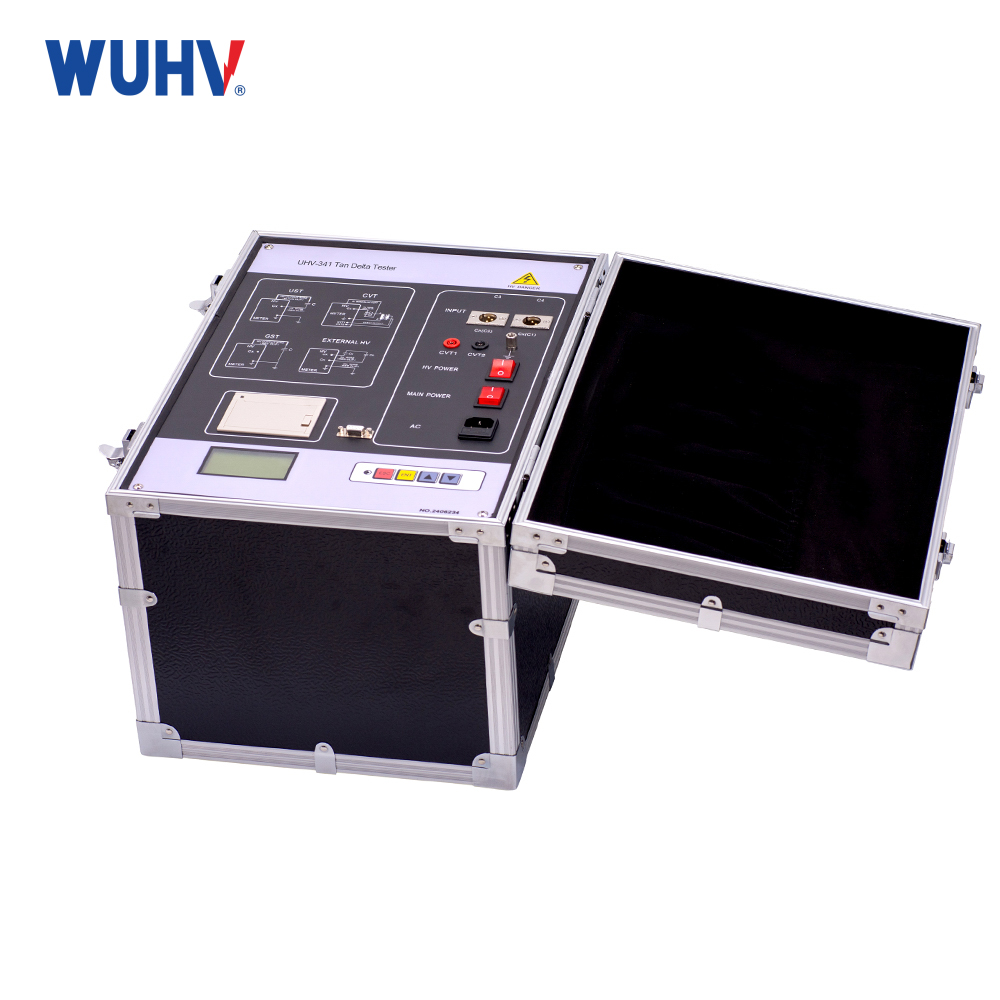
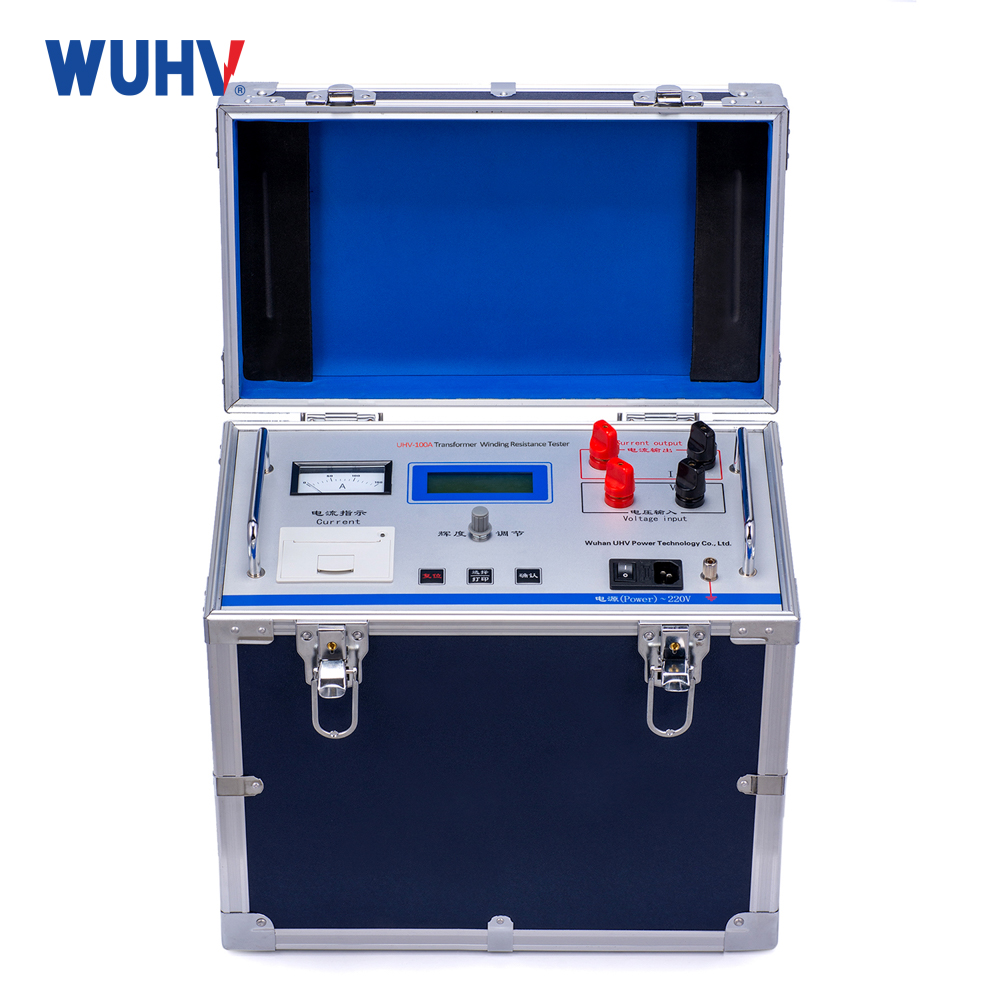
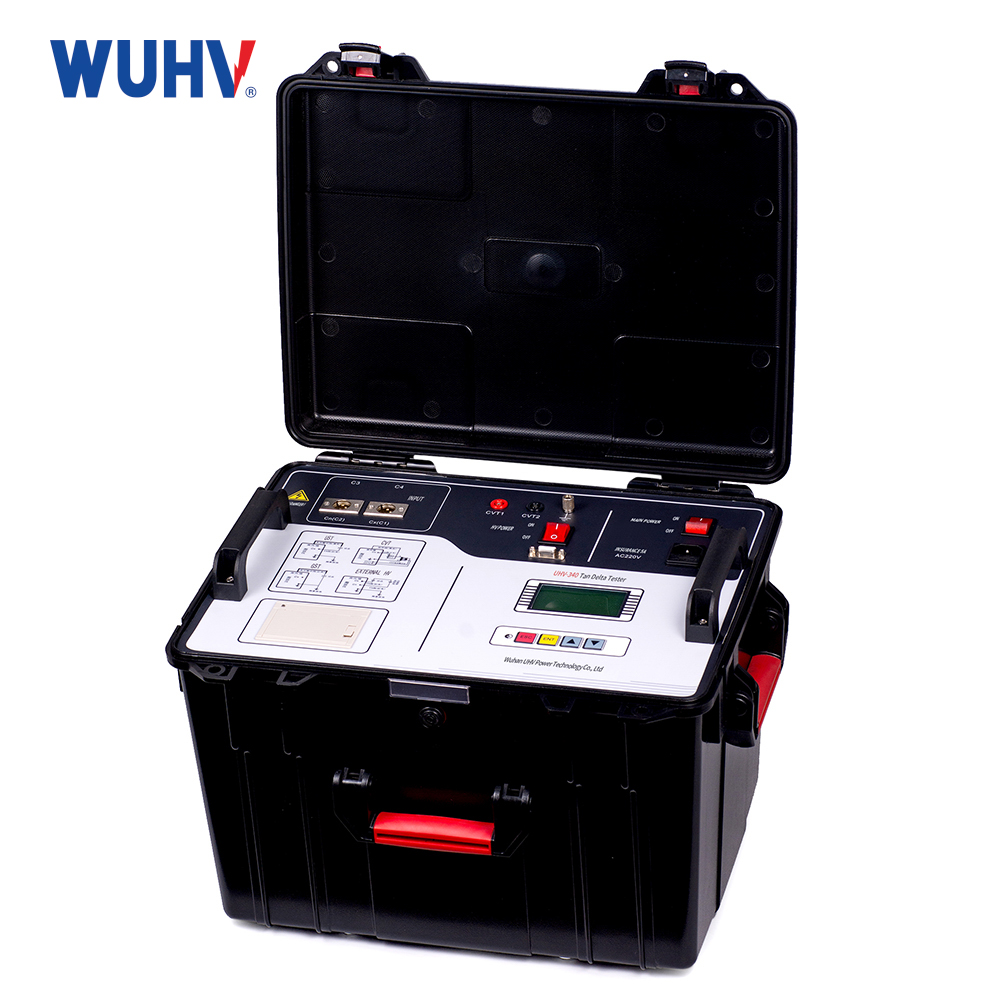
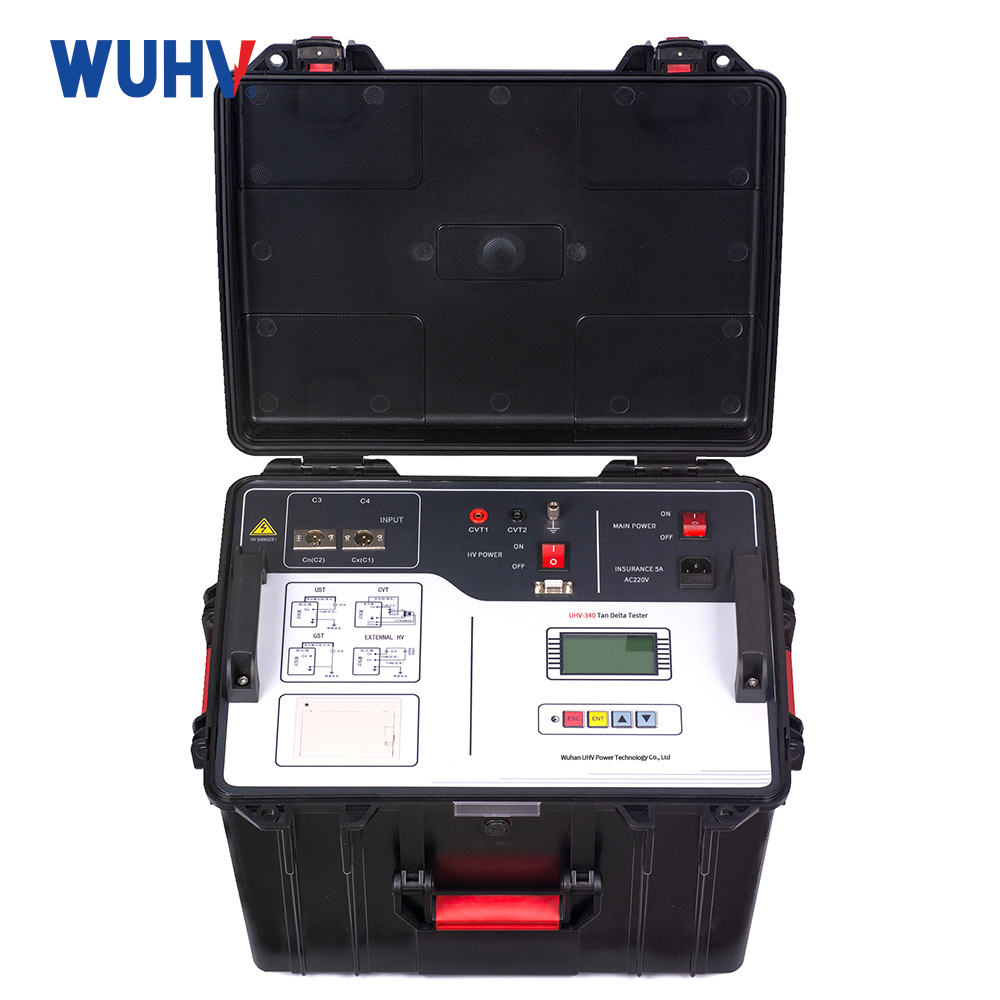
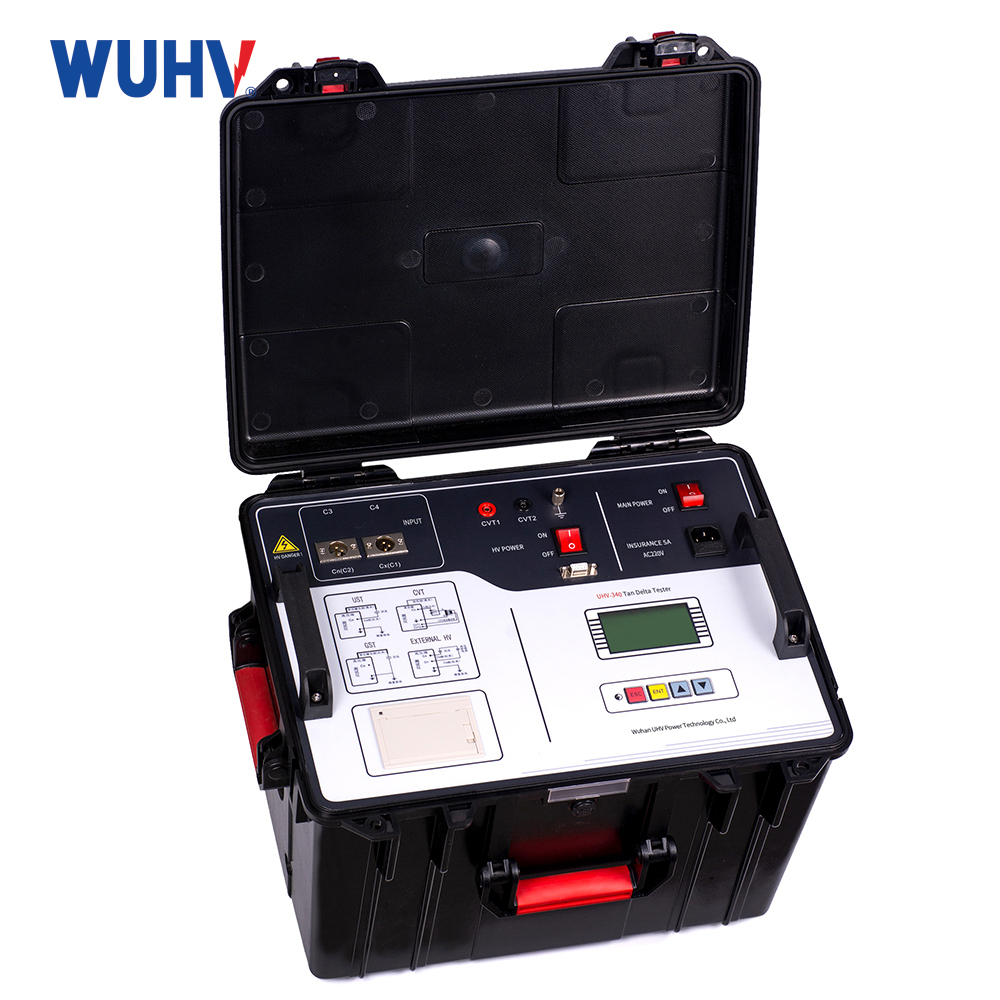
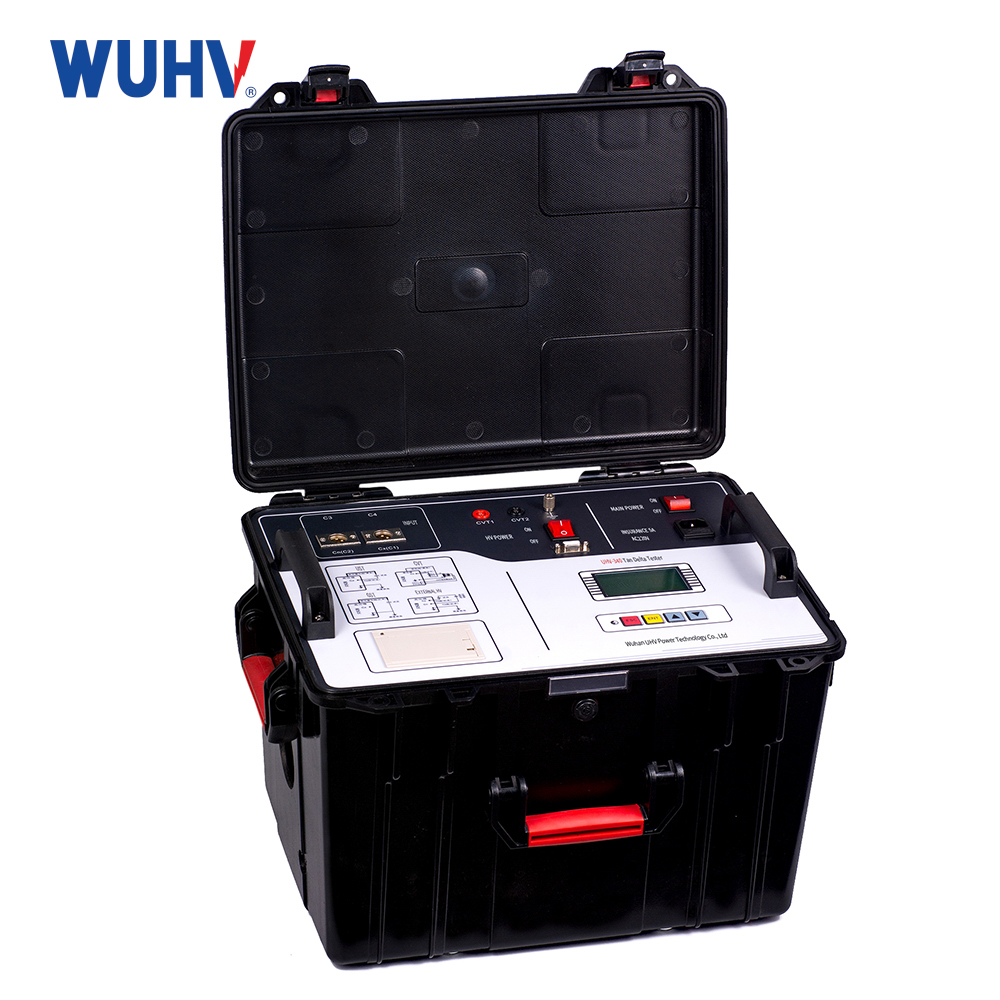
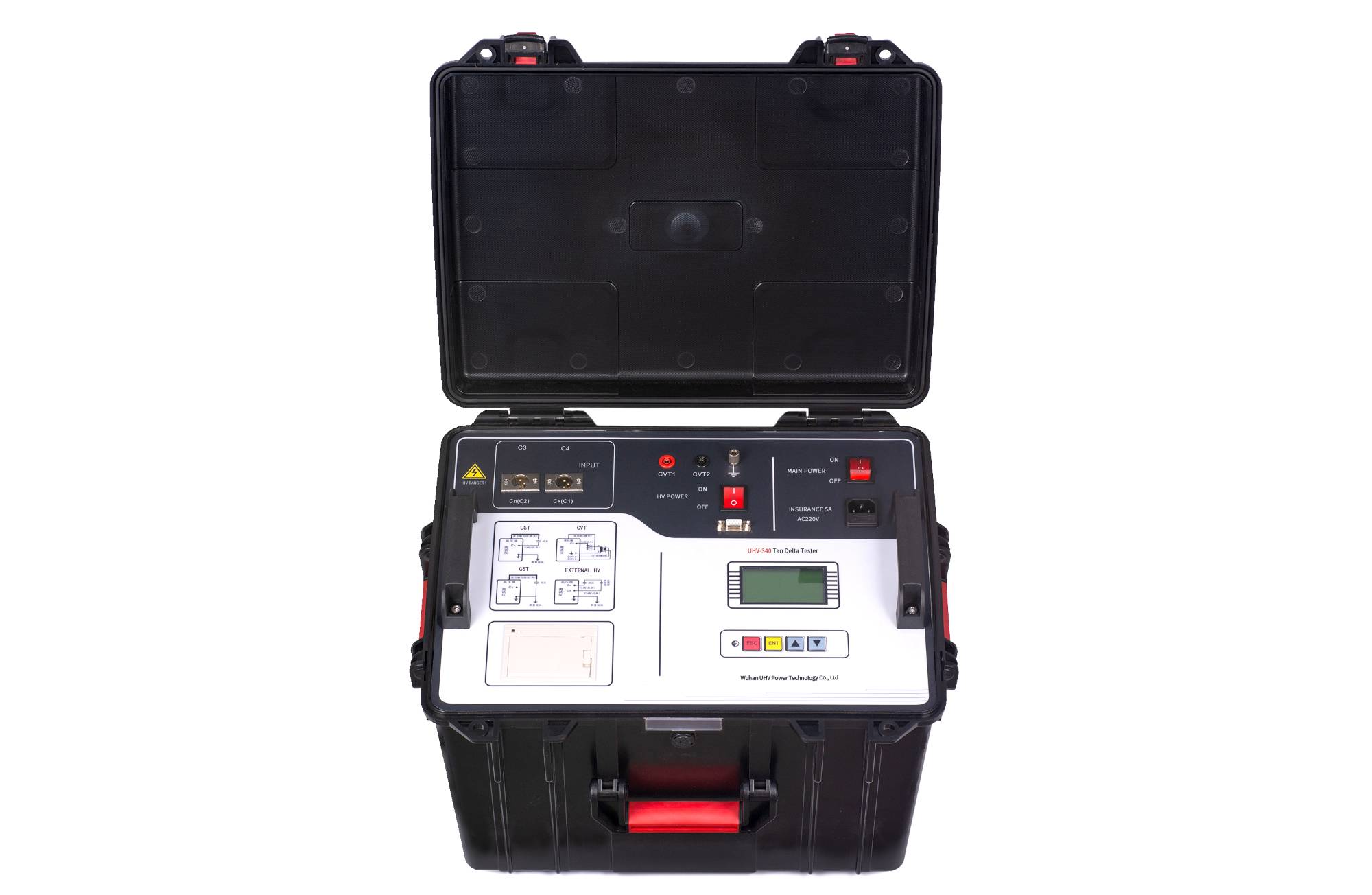
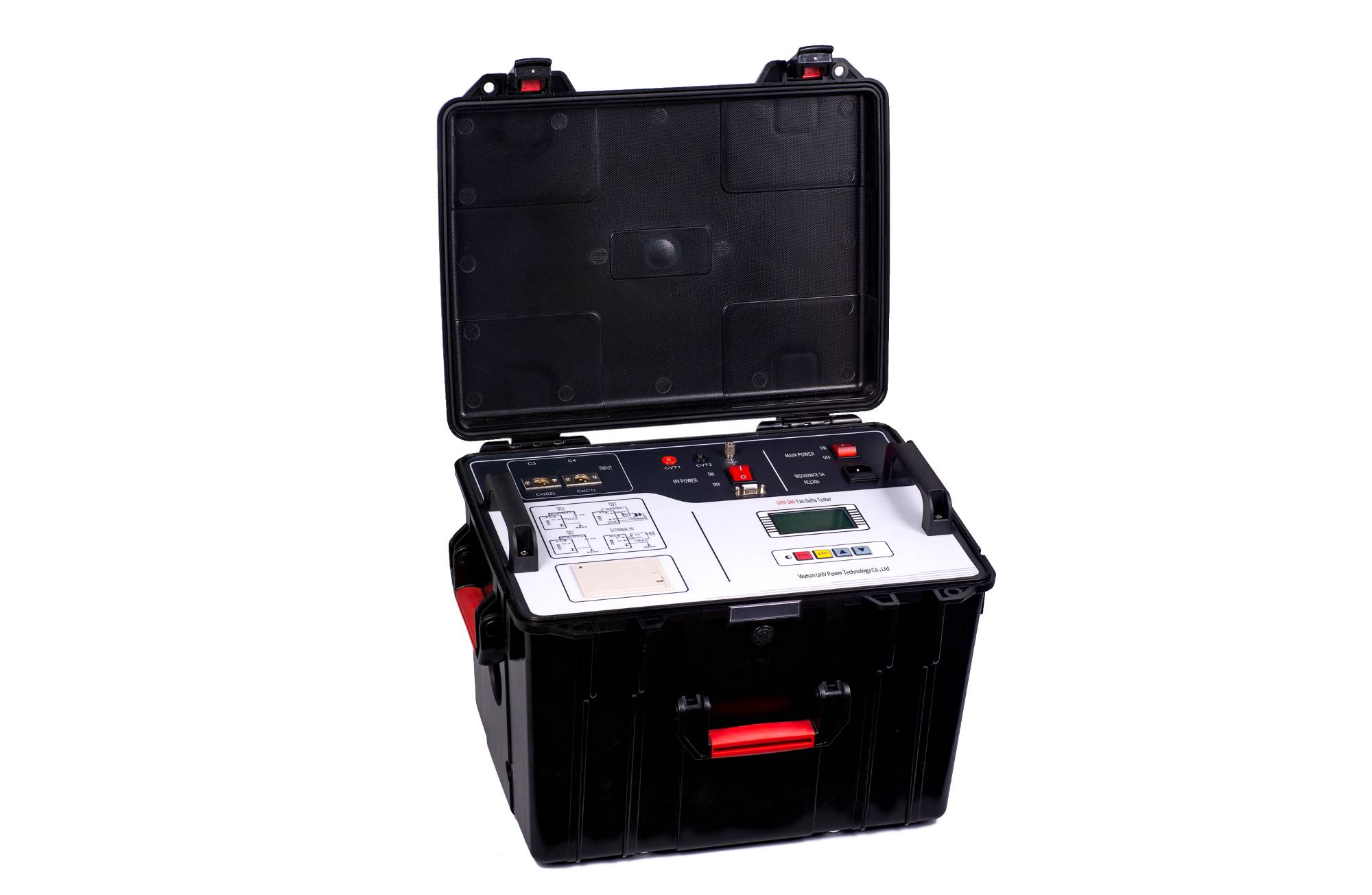
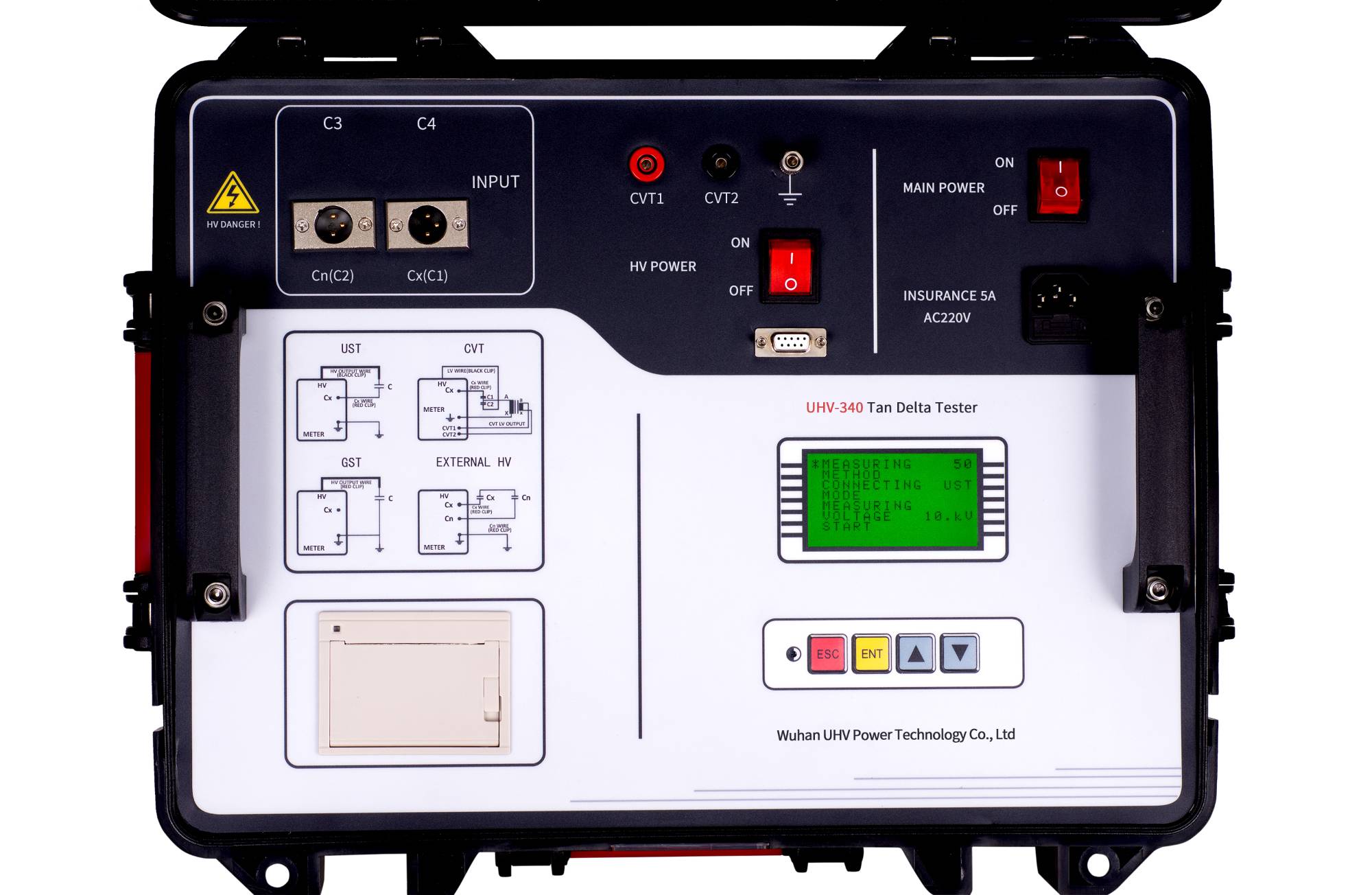
UHV-340 Transformer tan delta tester is a kind of instrument with high precision fully automatic measuring the dielectric loss tangent and capacitance of various high voltage electrical equipments in the power plants and substations. The adoption of frequency conversion technology could ensure the accurate measurement in the interference of strong electric field.
Technical parameters
| High voltage output | 0.5~10kV Increasing by 500V for each level, a total of 20 levels, capacity: 1500VA |
| Accuracy | tgδ: ± (reading * 1.5% +0.06%) |
| Cx: ± (reading * 1.5% +5 PF) | |
| Resolution | tgδ: 0.001% Cx: 0.001pF |
| Measuring range | tgδ: 0.001% ~ 100% |
| Internal high pressure : 3PF~60000PF/10KV 60PF~1µF/0.5KV | |
| External high pressure: 3PF~1.5µF/10KV 60PF~30µF/0.5KV | |
| CVT Variable ratio test | Variation ratio measurement accuracy: ± reading *1% |
| The range of the measurement: 10~99999 | |
| Phase measurement accuracy: ±0.1° | |
| Phase measurement range: 0~359.9° | |
| Power supply | AC 220V ± 10% 50/60 ± 1Hz |
| Measuring method | a.single frequency: 45(45Hz measuring)、50(50Hz measuring)、55(55Hz measuring)、60(60Hz measuring)、65(65Hz measuring) |
| b.different frequency: 50D(45Hz/55Hz measure each time) 60D(55Hz/65Hz measure each time) Automatic frequency conversion | |
| Harmonic adaptation | ≤3% |
| Application condition | -15 ℃-50 ℃ |
| Relative humidity | <80% |
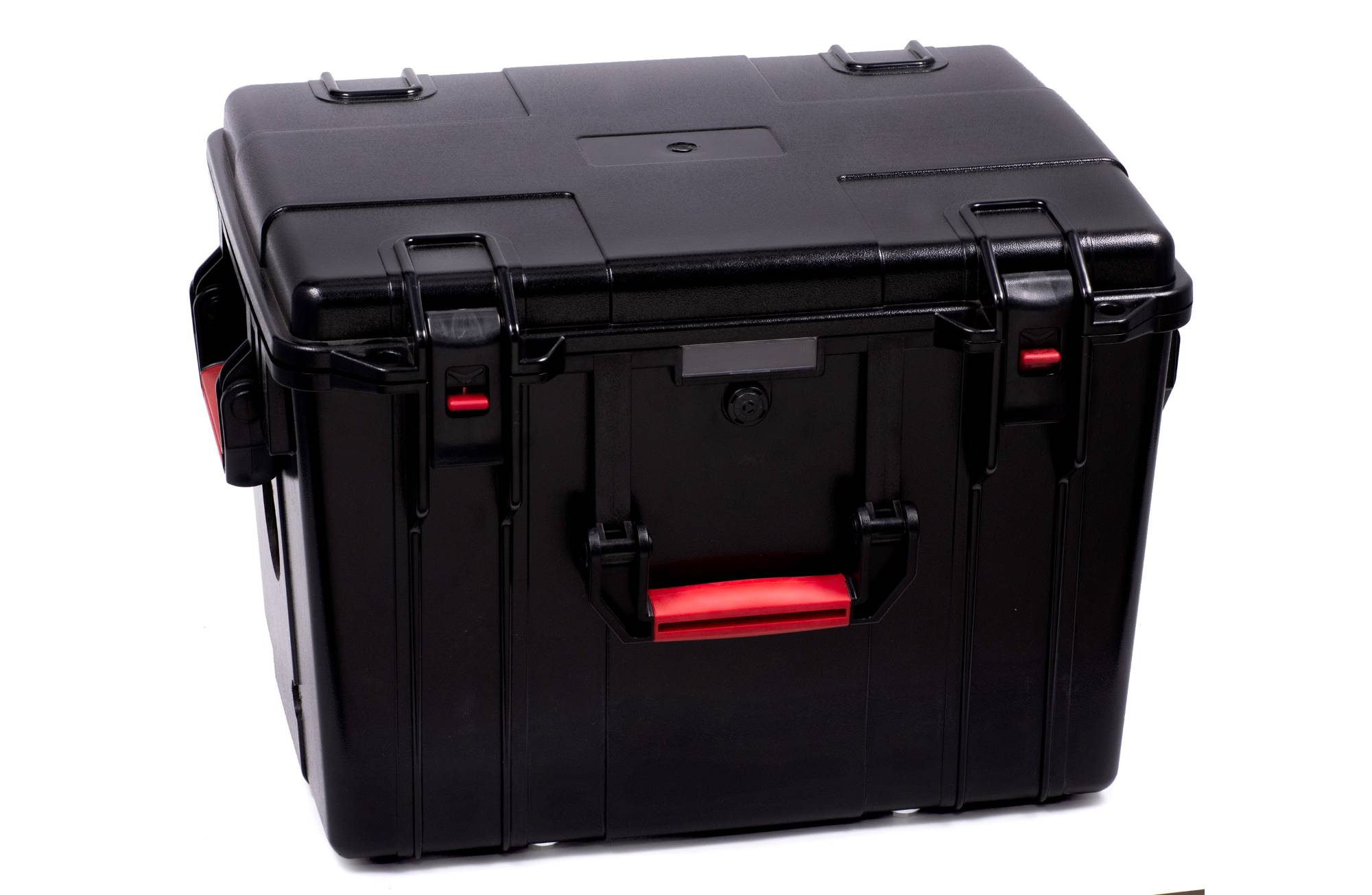
| Dimension | 460 (L) × 345 (W) × 345 (H) |
| Weight | 35kg |
 |  |  |
Product Features:
1.Frequency conversion anti-interference: the use of frequency conversion anti-interference technology, in 200% interference can still be accurately measured, the test data is stable, suitable for on-site anti-interference dielectric loss test.
2.High precision measurement: frequency floating, digital waveform analysis and bridge self-calibration technology, with high precision three-end standard capacitor, to achieve high precision dielectric loss measurement, and positive/reverse connection measurement accuracy and stability is consistent.
3.All range input resistance of the instrument is lower than 2Ω, eliminating the influence of additional capacitance of the test line.
4.Can be connected to the external oil cup to do precision insulation oil dielectric loss test, can be connected to the solid material measurement electrode to do precision insulation dielectric loss test.
5.Good compatibility: automatically identify 50Hz / 60Hz system power supply, support generator power supply, even if the frequency fluctuation is large, can also be measured normally.
6.Built-in series and parallel two kinds of dielectric loss measurement model, can be fully compatible with the calibration platform and dielectric loss standard, convenient instrument verification.
7.Multi level security protection to ensure personal and equipment safety.
8.High voltage protection: test short circuit, breakdown or high voltage current fluctuation, can cut off the output by short circuit.
9.Low voltage protection: misconnection 380V, power supply fluctuation or sudden power failure, start protection, will not cause overvoltage.
10.Grounding protection: the tan delta tester grounding is bad so that the shell with dangerous voltage, start grounding protection.
11.CVT: high voltage and current, low voltage and current four protection limits, will not damage the equipment; Incorrect menu selection does not output excitation voltage. There is no 10kV high voltage output during CVT measurement.
12.Anti “capacity rise”: when measuring large capacity test products will appear voltage rise “capacity rise” effect, the instrument can automatically track the output voltage, keep the test voltage constant.
13.Seismic performance: the instrument adopts unique seismic design, can withstand strong long-distance transportation vibration, turbulence without damage.
14.High voltage cable: high voltage insulated wire, can be used to mop the floor.
15.Technical breakthrough, powerful function, with external standard capacitor interface, automatic tracking of external test power frequency 40Hz~70Hz, support frequency power supply and series resonant power supply to do large capacity high voltage dielectric loss test.
16.With circuit contact bad discharge prompt function, to facilitate the identification of wiring is reliable.
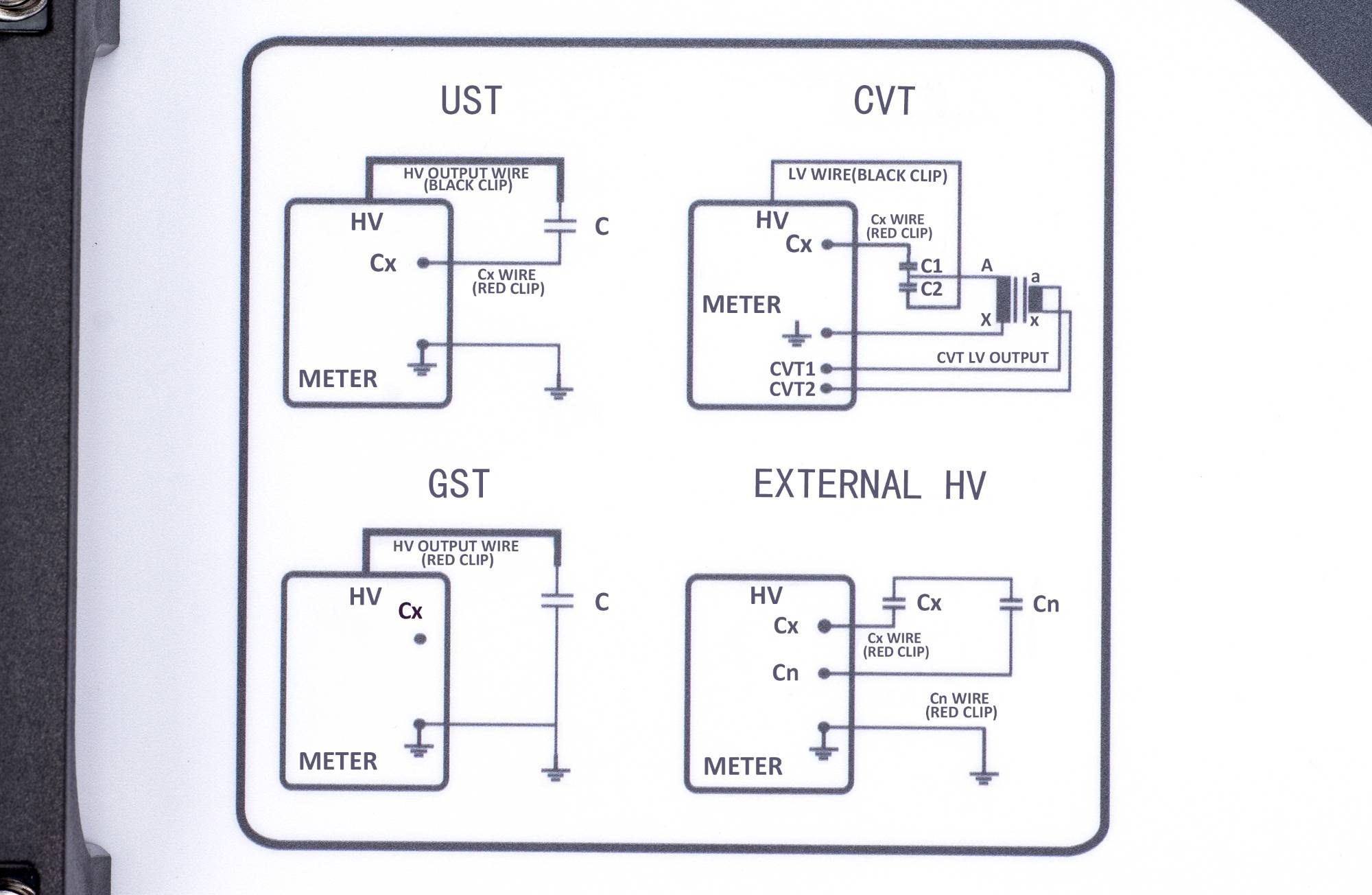
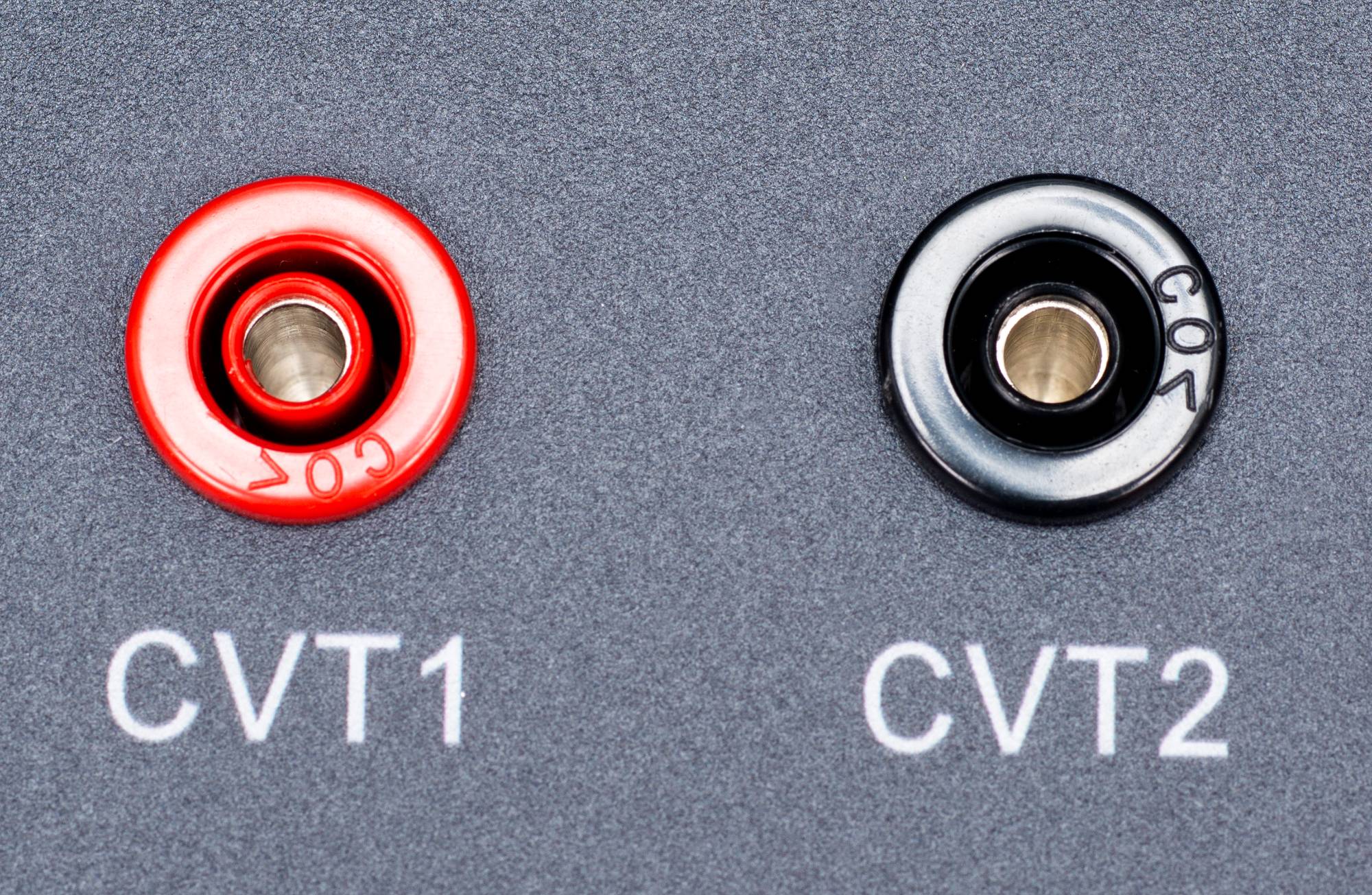
17.With CVT self-excitation method measurement function, C1/C2 can be measured at the same time, automatic compensation busbar grounding and standard capacitor partial voltage influence, no need to change the line and external any accessories, and high voltage connection line can mop the floor.
18.With reverse wiring low voltage shielding function, in the 220kVCVT busbar grounding case, the C11 can be carried out without stripping 10kV reverse wiring dielectric loss measurement, and can be a connection at the same time to the main and slave two capacitance measurement.
19.English text menu, large screen backlight LCD display.
20.Configuration of thermal printer, printing data clear and fast, no noise.
21.With calendar clock, can store 100 groups of measurement data.
 |  |  |
Factors affecting dielectric loss
The characteristics of the material itself: the chemical composition, molecular structure, moisture content, impurities, etc. of the insulation material will directly affect its dielectric loss.
Temperature: An increase in temperature usually leads to an increase in the polarity movement of molecules, resulting in an increase in dielectric loss.
Electric field strength: Within a certain range, the higher the electric field strength, the higher the dielectric loss may also increase.
Humidity: Moisture is the "enemy" of insulation materials, which significantly increases their dielectric loss.
Frequency: The frequency of alternating current also has an impact on dielectric loss, which is the origin of the name "heterodyne" tester. tan delta tester factory can conduct tests at different frequencies to more comprehensively evaluate insulation performance.
Application Fields
1. Power industry
Power plants and substations: In power plants and substations, dielectric loss tester is mainly used to test the high-precision measurement of dielectric loss tangent and capacitance of various high-voltage power equipment. Its integrated structure and built-in components such as dielectric loss testing bridge, variable frequency voltage regulating power supply, step-up transformer, and SF6 high stability standard capacitor make the testing process more accurate and efficient.
2. Research institutions
Research on High Voltage Electrical Equipment: The dielectric loss tester supplier is suitable for measuring the TG δ and capacitance of high-voltage electrical equipment in workshops, laboratories, and research institutions. Its multiple testing modes (such as internal high voltage, external high voltage, internal standard, external standard, positive connection method, reverse connection method, etc.) can meet different testing needs.
3. In the field of electronic manufacturing
Electronic device design and production: In the design and production process of electronic devices, a dielectric loss tester can measure the dielectric loss at different frequencies to obtain the loss characteristics of the dielectric at different frequencies. This has a significant impact on the working state and performance of the circuit.
4. Insulation material testing
Insulation oil test: Equipped with an insulation oil cup, the dielectric loss tester manufactures can test the dielectric loss of insulation oil. It is more sensitive to detecting distributed defects such as overall moisture and aging of insulation or air gap discharge defects in insulation.
Frequently Asked Questions (FAQ)
Q: What types of power equipment is the variable-frequency dielectric loss tester mainly used for?
A: It is widely used for testing various high‑voltage power equipment such as transformers, instrument transformers, cables, switchgear, and insulators.
Q: Is a lower dielectric loss tangent (tan δ) value always better?
A: Yes, a lower tan δ value generally indicates lower dielectric loss of the insulating material, better insulation performance, and a lower risk of failure.
Q: What effect does temperature have on dielectric loss test results?
A: Generally, an increase in temperature enhances molecular polar motion, which leads to higher dielectric loss. Therefore, the actual temperature should be recorded and taken into account during testing.
Q: Besides the variable‑frequency dielectric loss tester, what other methods can be used to evaluate insulation performance?
A: Other methods include DC withstand voltage tests, partial discharge detection, dissolved gas analysis in oil, and various other approaches to comprehensively assess insulation performance.
Q: What advantages does Wuhan UHV Power Technology Co., Ltd. have in the field of power testing?
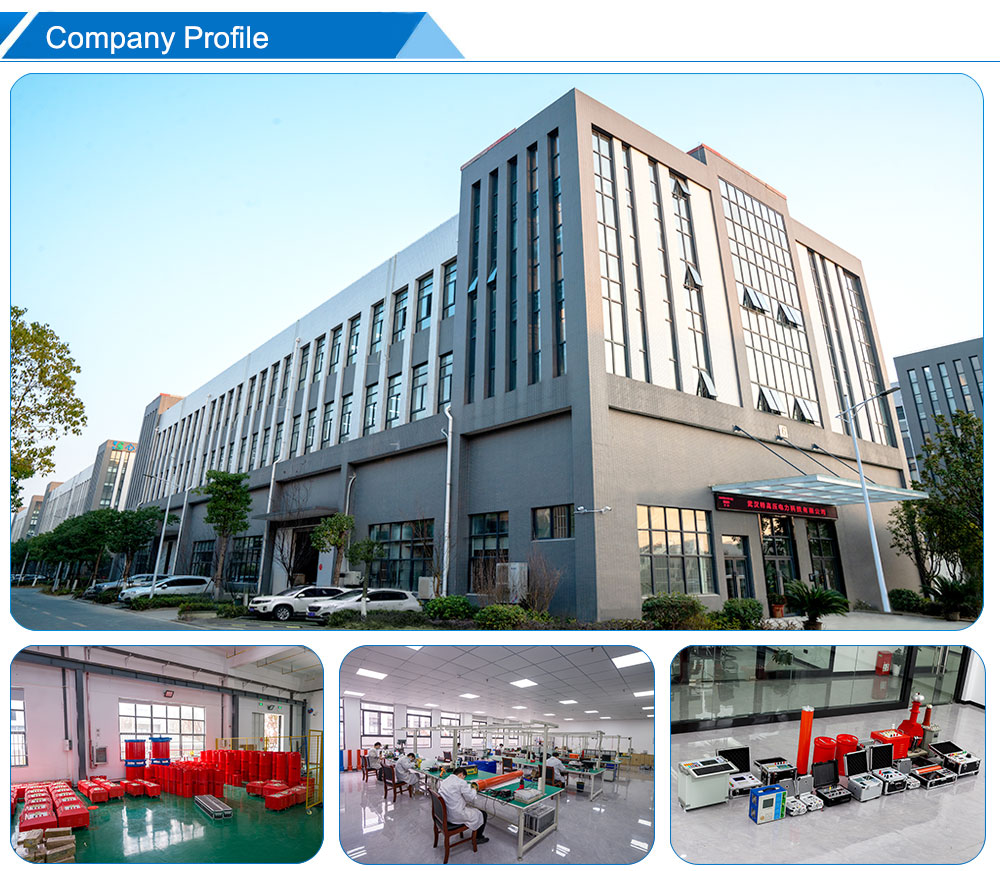
A: Wuhan UHV Power Technology Co., Ltd. has many years of industry experience, strong R&D capabilities, high product accuracy, stable performance, and provides professional pre‑sales and after‑sales services, making it a trustworthy partner.