

Product Introduction
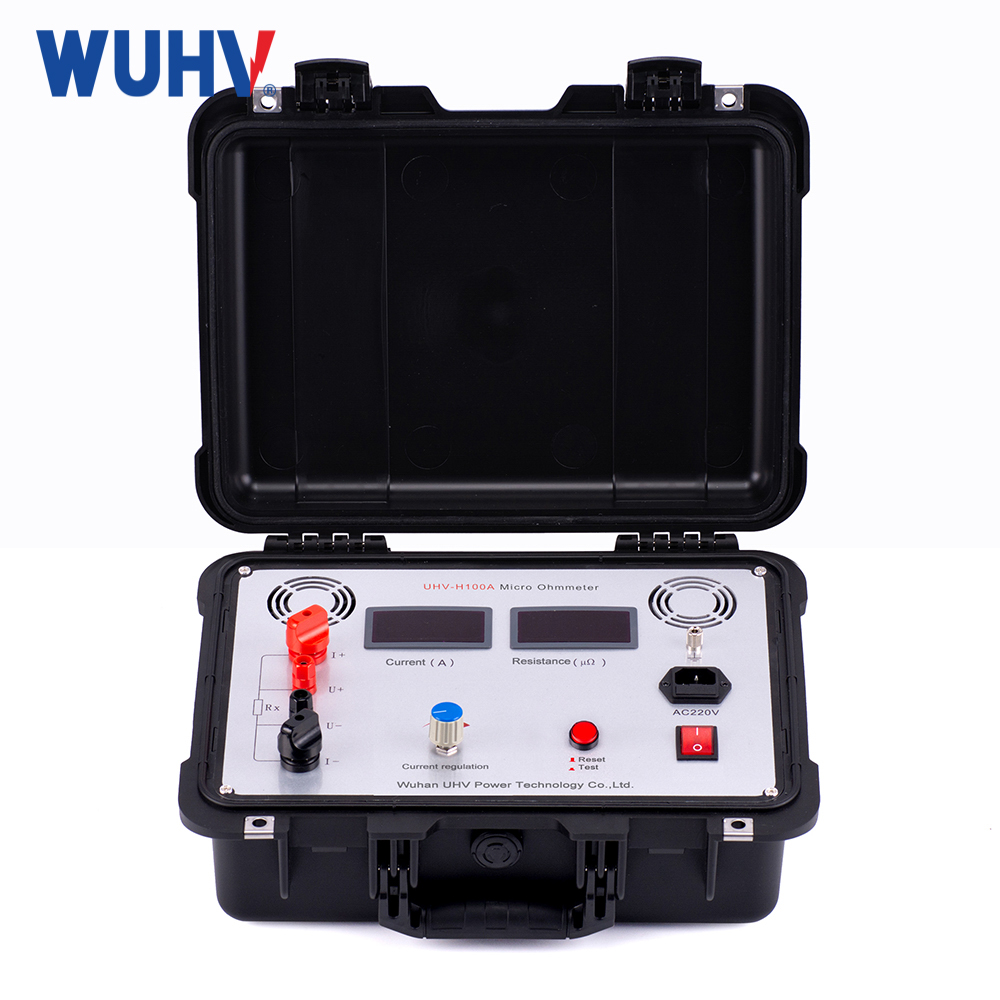
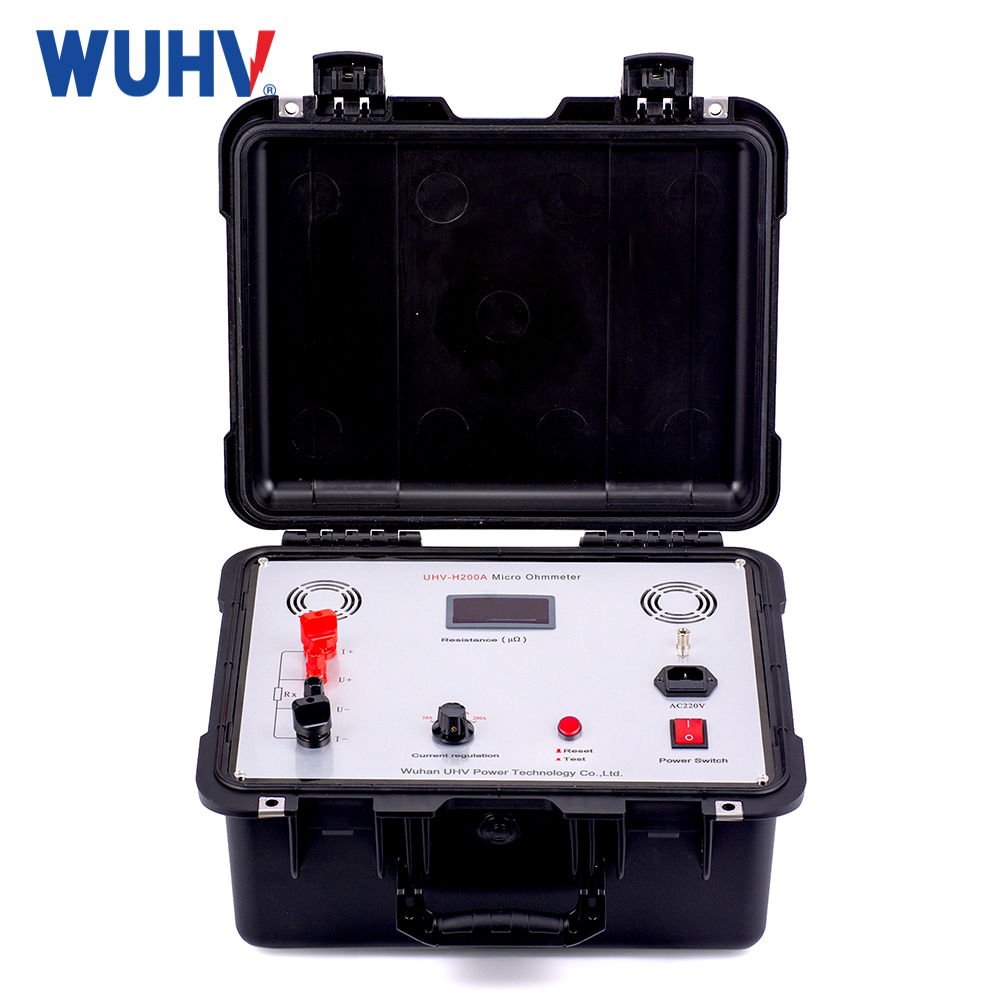
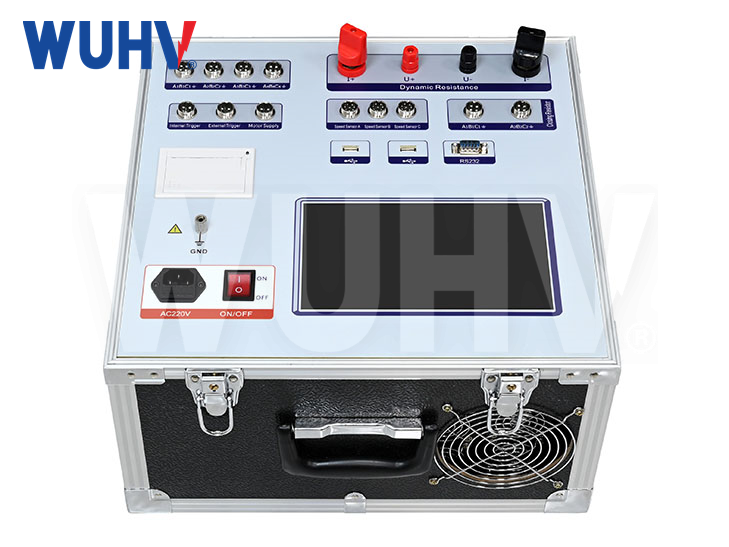
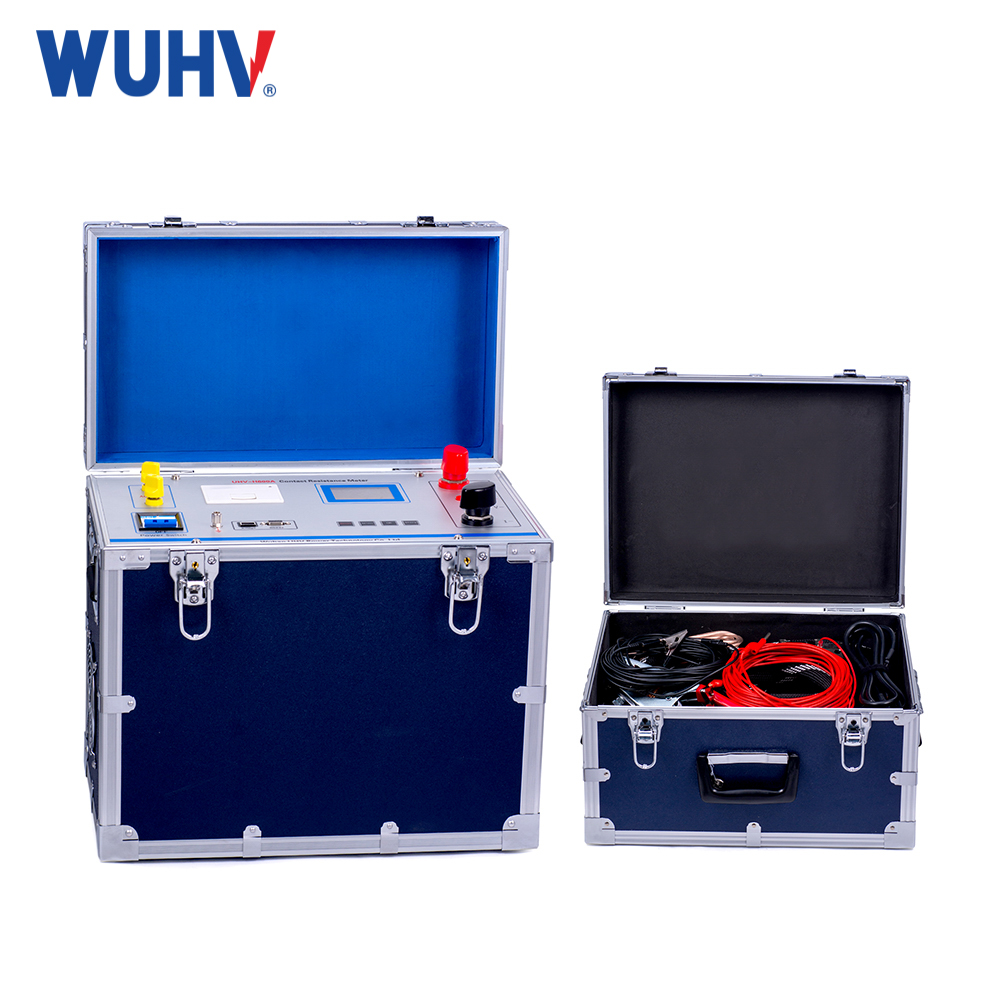
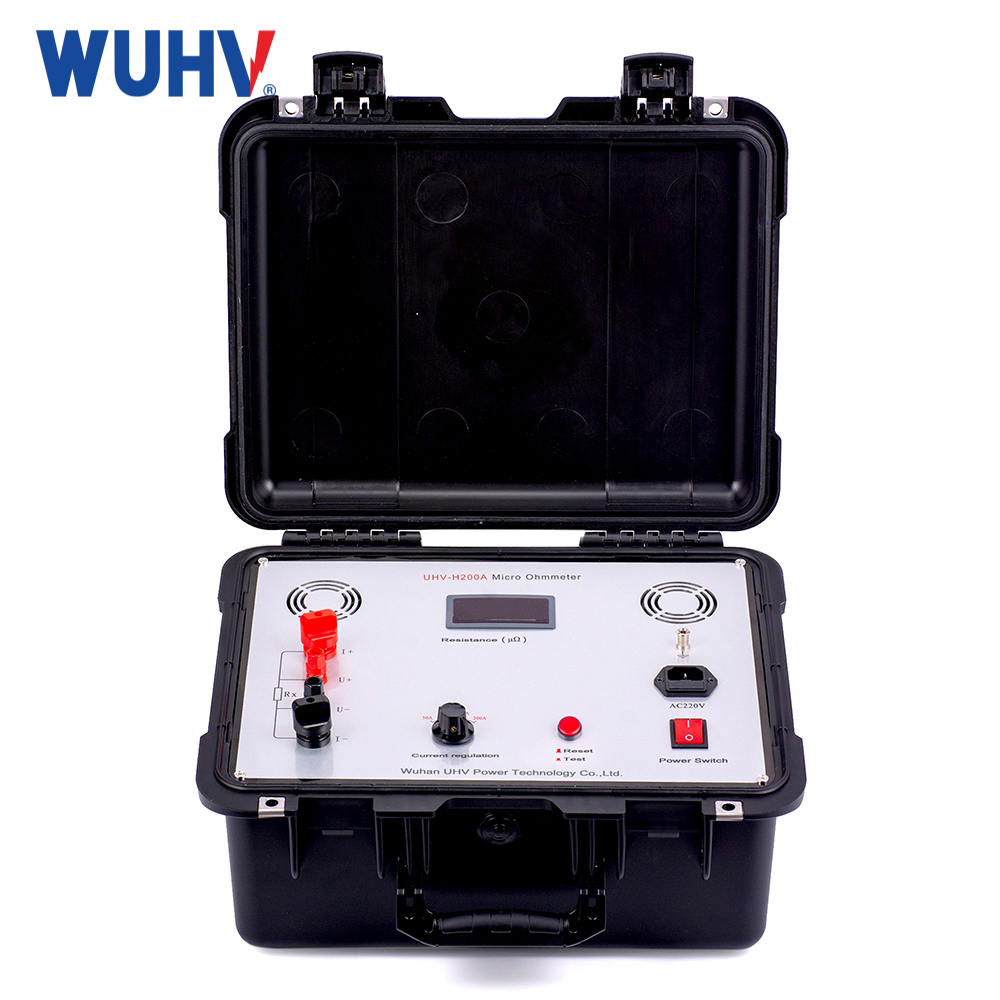
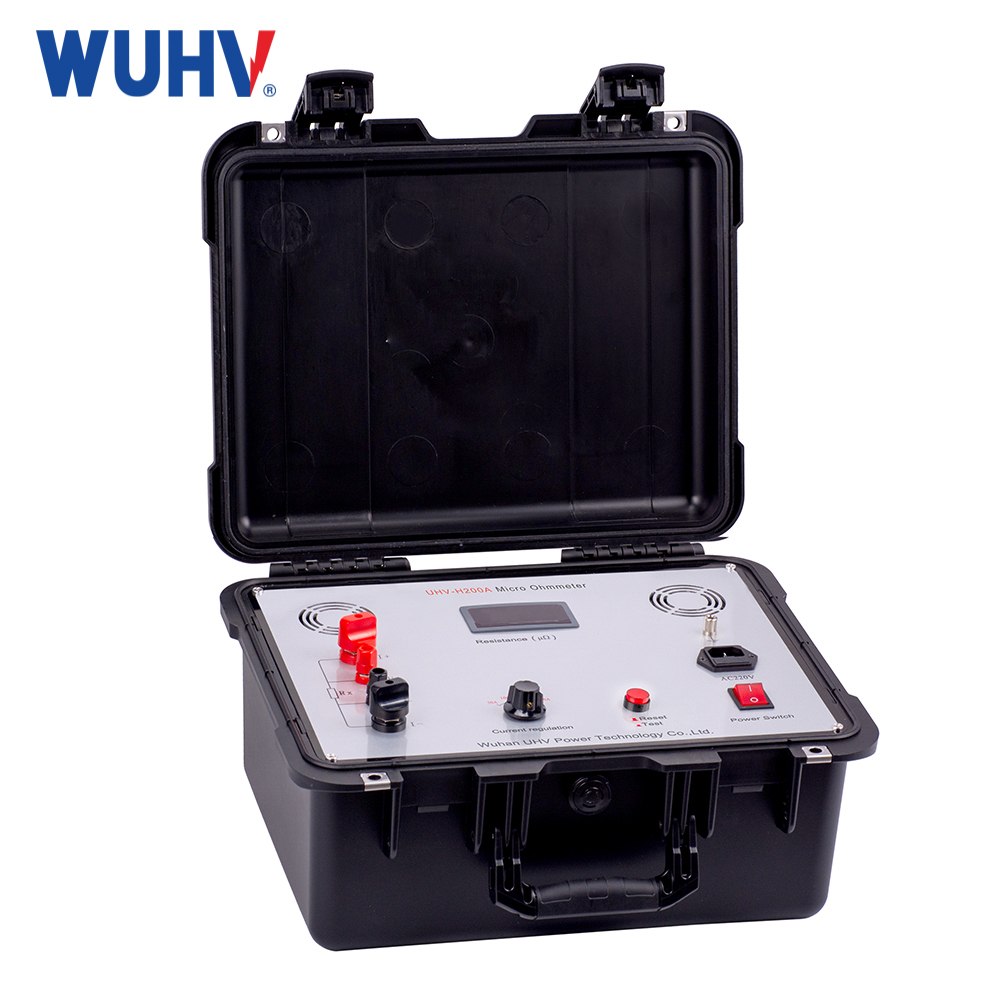
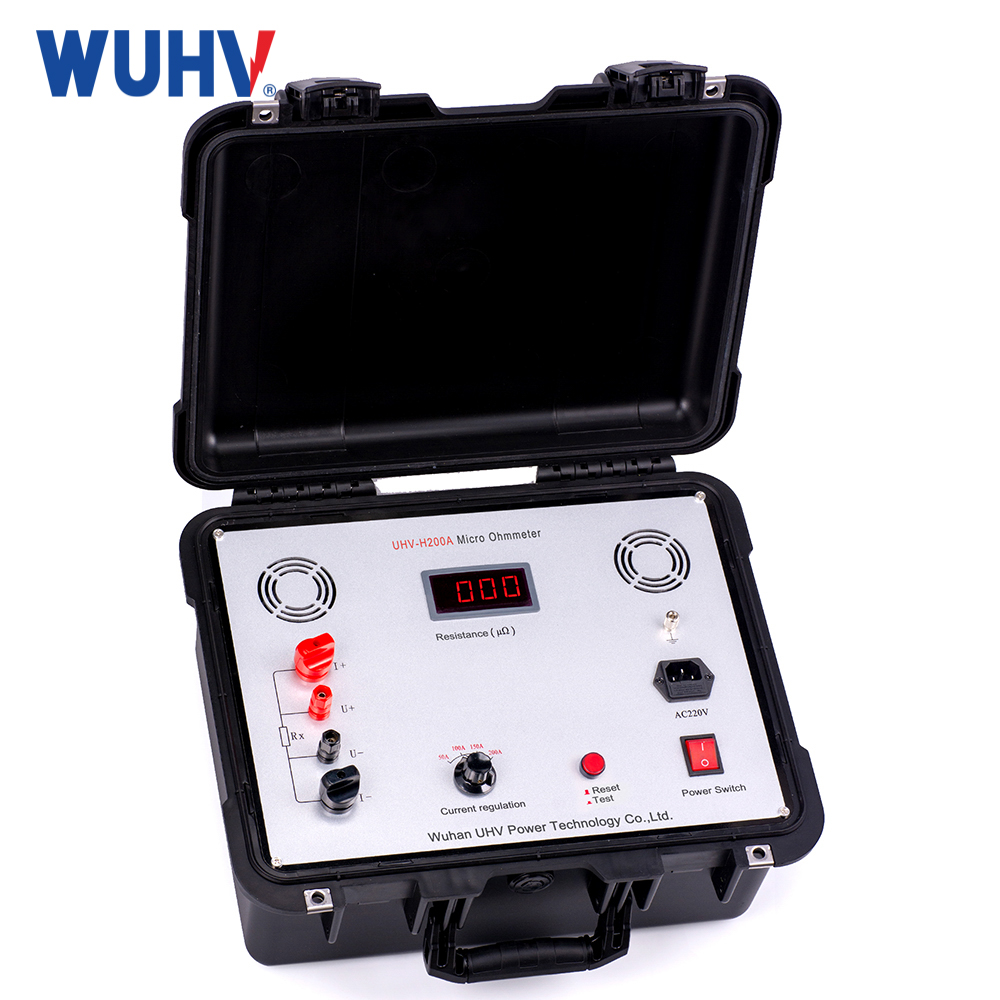
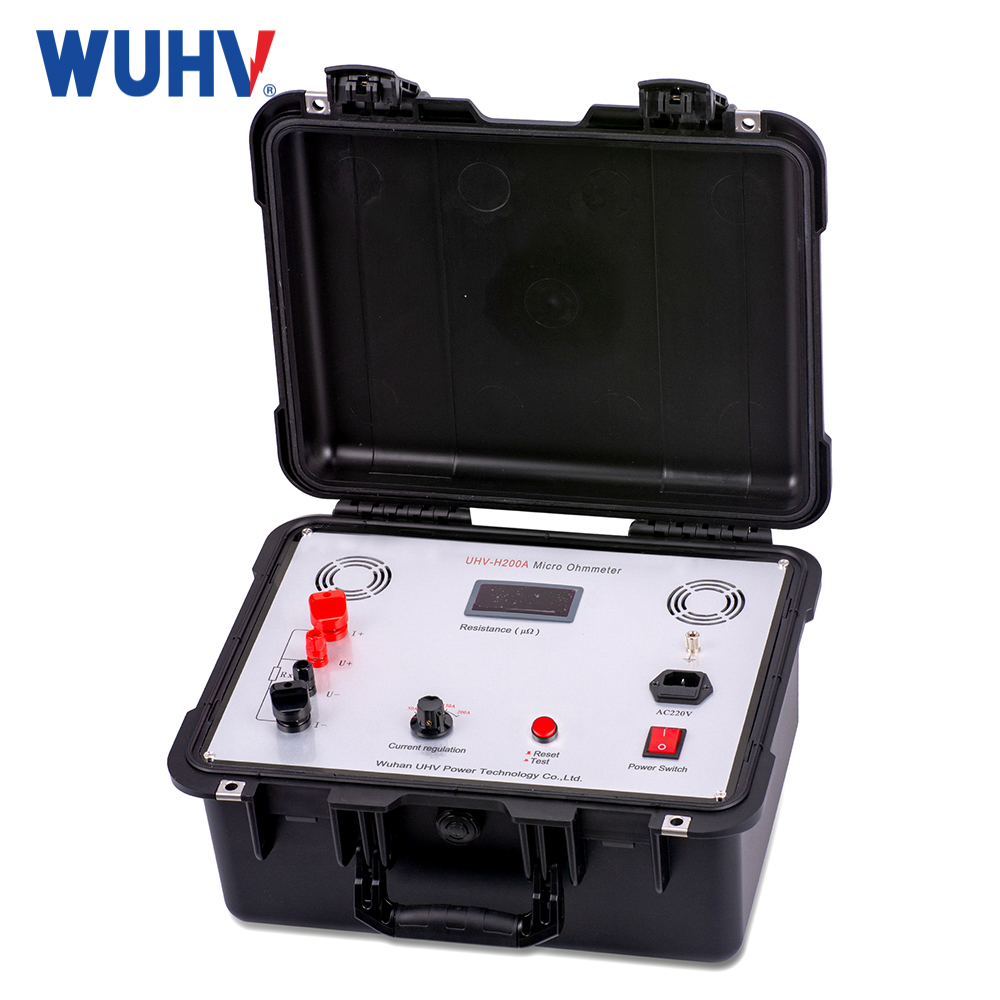
The contact resistance tester is a high-precision tester specifically designed for measuring the loop resistance of high-voltage switches, circuit breakers, and switchgear. The Micro Ohmmeter employs high-frequency switching power supply technology and digital circuit technology, enabling accurate detection of micro-ohm level resistance in the main circuit and contacts of equipment through high-current DC testing. It provides reliable data support for installation acceptance, operation and maintenance, and fault diagnosis of power equipment.
The Micro Ohmmeter complies with relevant testing requirements such as DL/T 845.4-2004. It features high measurement accuracy, good stability, strong anti-interference capability, compact size, and light weight, making it particularly suitable for use in substations, power plants, power equipment manufacturing enterprises, and industrial power distribution sites.
 |  |  |
Product function
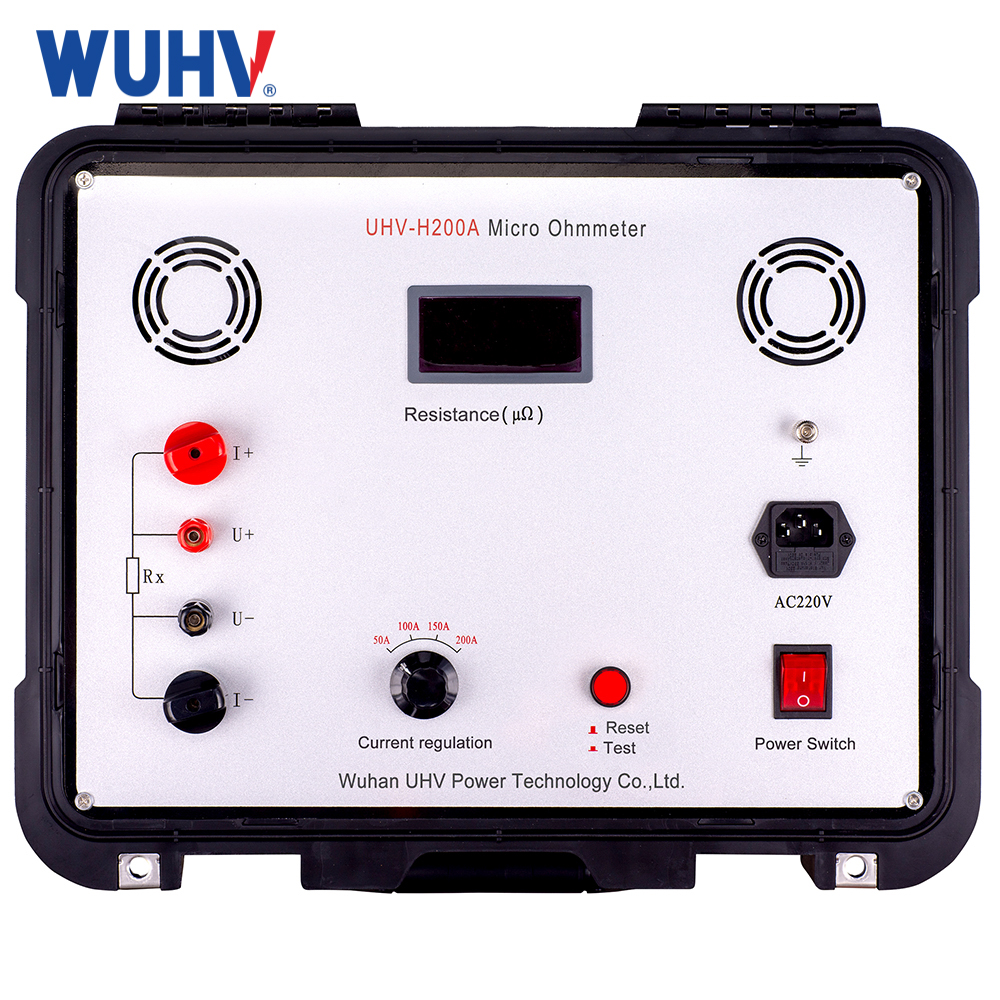
1. Four-Speed Fixed Current Output: It provides fixed DC test currents of 50A, 100A, 150A, and 200A, allowing direct measurement of circuit resistance at these currents as required by national standards.
2. High-Precision Measurement: The measuring range is 1 to 1999μΩ with a resolution of 1μΩ and an accuracy of 0.5%±1d. The 3.5-digit LCD display provides clear readouts.
3. Continuous High-Current Output: Using advanced power supply technology, the instrument can continuously output a large current for extended periods, effectively breaking through the oxide film on switch contacts for accurate results.
4. Strong Anti-Interference: Under severe interference conditions, the last digit of the LCD reading remains stable within ±1 count, ensuring stable readings and good repeatability.
5. Durable Construction: The use of high-precision resistors effectively eliminates the influence of ambient temperature on measurement results, and military-grade connectors enhance vibration resistance.
6. Portable Design: The Micro Ohmmeter manufacturer has dimensions of 440×410×190mm and weighs 8.7kg (excluding attachments), making it portable for field use.
1. High current: For latest power supply technology, the Micro Ohmmeter supplier can continuously output high current which overcomes the weakness of instantaneous current produced by pulsed power. It can effectively breakdown/puncture the oxide layer of the switches and then get precise results.
2. Strong anti-interference ability: The last number of test data will stably show in the LCD screen only with ±1 error even in strong Interference situation.
3. Long service life: All the precise resistances used in the tester can reduce the temperature's impact on the measurement results and military connectors can enhance vibration resistance.
4. Convenience: Small size, light weight.
Product Advantages
1. Standard-Compliant High Current: It provides up to 200A DC test current, exceeding the minimum 100A required by standards such as SD301-88 for accurate contact resistance measurement of high-voltage switches. The four current options allow flexibility for different test requirements.
2. Effective Oxide Penetration: The large, stable continuous current effectively penetrates the oxide film and oil films that form on contacts, which cause low-current (mA level) bridge methods to read inaccurately high.
3. Stability and Reliability: Strong anti-interference capability ensures stable readings in harsh field environments. The use of high-precision resistors and military connectors enhances measurement accuracy, temperature stability, and vibration resistance, contributing to a long service life.
4. Portability: The Micro Ohmmeter is compact and lightweight (8.7kg), making it convenient to carry and use in various field locations.
5. Clear Display: The 3.5-digit LCD display provides clear and direct readings of contact resistance.
What are the application scenarios of a contact resistance tester?
1. Power Utilities and Substations: Used for measuring the contact resistance of high-voltage circuit breakers, isolating switches (disconnectors), busbar joints, and other connection points during routine preventive maintenance and handover tests.
2. Switchgear Manufacturing: Employed by manufacturers for quality control and factory resistance testing of new switchgear, ensuring contact resistance meets design specifications before delivery.
3. Industrial Facilities: Used in industries with large electrical systems (e.g., metal smelting, petrochemicals) for maintenance of high-current switchgear and busbar connections.
4. Testing Laboratories: Used by independent testing labs to perform contact resistance measurements for clients as part of equipment condition assessments.
5. Maintenance and Repair Facilities: Used during maintenance and repair of high-voltage switches to verify the integrity of contacts and connections after service work.
Technical parameters
| Measuring range | 1~1999μΩ |
| Resolution | 1μΩ |
| Test current | DC50A、100A、150A、200AFour speed fixed output |
| Accuracy | 0.5%±1d |
| Way to work | The connection |
| Display | Three and a half LCD |
| Power supply | AC220V±10% 50Hz |
| Working environment | Temperature: -10℃ ~ 40℃, humidity: ≤80%RH |
| Diemension | 440(L)×410(W)×190(H)mm3 |
| Weight | 8.7kg(excluding attachments) |
FAQ about circuit breaker resistance tester
1. What is a circuit breaker resistance tester, and why is contact resistance testing necessary?
Circuit breaker resistance tester manufactures uses the high-current DC injection method to measure the contact resistance of circuit breaker main contacts, disconnecting switches, and other conductive connection points. By detecting micro-ohm level resistance changes, it can promptly identify defects such as contact wear, oxidation, poor contact, or loose connections, thereby reducing the risk of overheating and ensuring long-term safe and stable operation of power equipment.
2. Why is high-current testing more accurate than ordinary multimeter measurements?
The contact resistance of circuit breakers is typically only tens to hundreds of micro-ohms, which cannot be accurately measured by an ordinary multimeter. circuit breaker resistance tester outputs a high current of 100A, 200A, or higher, and incorporates the four-terminal (Kelvin) measurement technique to effectively eliminate errors introduced by test leads and contact resistance, thereby delivering more stable and reliable test results.
3. Which equipment is most suitable for use with a circuit breaker resistance tester?
The circuit breaker resistance tester factory is widely used for contact resistance testing of high-voltage, medium-voltage, and low-voltage circuit breakers, GIS switchgear, disconnecting switches, busbar connection points, and large conductive connectors. It is suitable for various testing needs in substations, power utilities, power plants, industrial enterprises, and electrical equipment manufacturers during factory inspection, installation commissioning, and routine maintenance.
4. How does the instrument handle interference on-site?
The contact resistance tester manufacturer is designed with strong anti-interference capability, ensuring that even under severe interference conditions, the last digit of the LCD reading remains stable at ±1 word. This makes it reliable for use in electrically noisy substation environments.
5. What are the advantages of continuous current output?
Continuous current output, rather than a pulsed current, ensures that the oxide film on the contact surface is effectively broken down, leading to a stable and accurate resistance reading. This overcomes the defect of impulse instantaneous current found in some older designs.
For pricing and availability, please contact us for the latest quotation based on your required configuration and order quantity. The UHV offers a practical and reliable solution for professional electrical testing, making it a suitable choice for utilities, contractors, manufacturers, and maintenance teams. Contact us to discuss your requirements, obtain a competitive price, and receive further information about delivery, warranty, and after-sales support.